Amazon (NASDAQ: AMZN) is now moving line-haul parcels on Japan's Shinkansen bullet trains to enable same-day delivery from Tokyo to parts of central and northern Japan, and has launched its first e-cargo bike delivery operation on the U.S. West Coast in Culver City, California, according to FreightWaves.
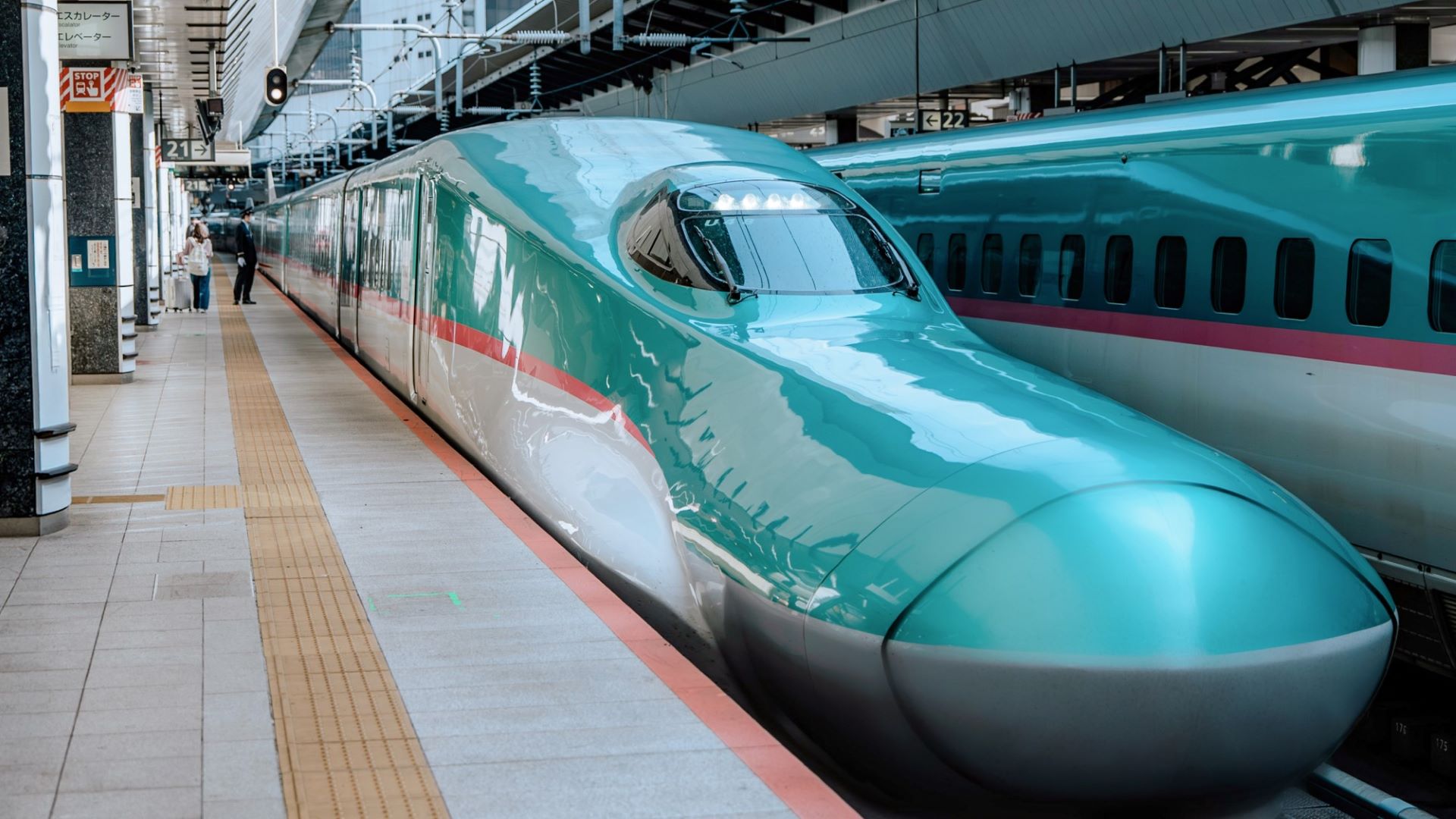
FreightWaves reported that Amazon this year contracted with three Japan Railway companies to haul parcels on three high-speed routes connecting Amazon fulfillment centers in the Greater Tokyo area with the Hakodate, Aomori and Kanazawa areas. Packages are stored in non-passenger compartments on trains traveling at speeds of up to 200 mph.
Packages are stored in non-passenger compartments on trains traveling at speeds of up to 200 mph.
The new package delivery system began in March on the Tohoku Shinkansen and Tohoku-Hokkaido Shinkansen lines, and in May on the Hokuriku line. Incorporating the train's speed and reliability into the middle-mile network has reduced transit time and carbon emissions, and management is pleased with the results so far, spokesman Steve Kelly said.
Middle-mile rail expansion in Japan
The bullet-train service gives Amazon a high-punctuality, high-speed alternative to long-distance truck transport between cities, which the company said also helps reduce emissions and road congestion. Amazon said the Shinkansen network is recognized for its high level of punctuality, enabling faster and more secure deliveries. The routes connect the Greater Tokyo area with Hakodate and Aomori in the north and Kanazawa on the Sea of Japan coast, extending same-day delivery reach into central and northern Japan. Parcels travel in non-passenger compartments, keeping freight separate from commuters.
E-cargo bikes arrive on the U.S. West Coast
FreightWaves reported that Amazon launched e-cargo bike operations in Culver City, California, last week. The service, operated by two independent delivery partners, began with 25 bikes and will ramp to full capability over the next four to six weeks, spokeswoman Leigh Anne Gullett said. Amazon also plans to roll out e-cargo bikes in Burbank, in Los Angeles County, in the next few weeks. Both operations are permanent. Full implementation takes several weeks because couriers need training and delivery service providers deploy in small batches on shorter routes to ensure smooth operations, Gullett explained. Eventually, Amazon will operate dozens of routes out of the Culver City and Burbank delivery stations.
The pedal-assist e-bikes, which resemble golf carts with a rear compartment, have a top speed of 12 mph and can carry around 240 packages per shift with one refill stop. Amazon's e-bike training covers safety, local road regulations, onsite procedures, on-road delivery methods and daily vehicle safety inspections, followed by a practical assessment and a road course test. The e-bikes include rear cameras, regenerative braking to help control speed downhill, automatic parking brakes and electronic locks. Drivers wear helmets and reflective safety vests. Amazon said the vehicles open a wider pool of hiring candidates.
| Mode | Deployment | Top speed | Package payload | Status |
|---|---|---|---|---|
| Shinkansen bullet train | Greater Tokyo to Hokkaido, Tohoku and Hokuriku | Up to 200 mph | Not disclosed | Operational since March/May |
| E-cargo bike | Culver City, CA; Burbank, CA planned | 12 mph | ~240 packages per shift | Culver City launched; ramping over 4–6 weeks |
Beyond bullets and bikes
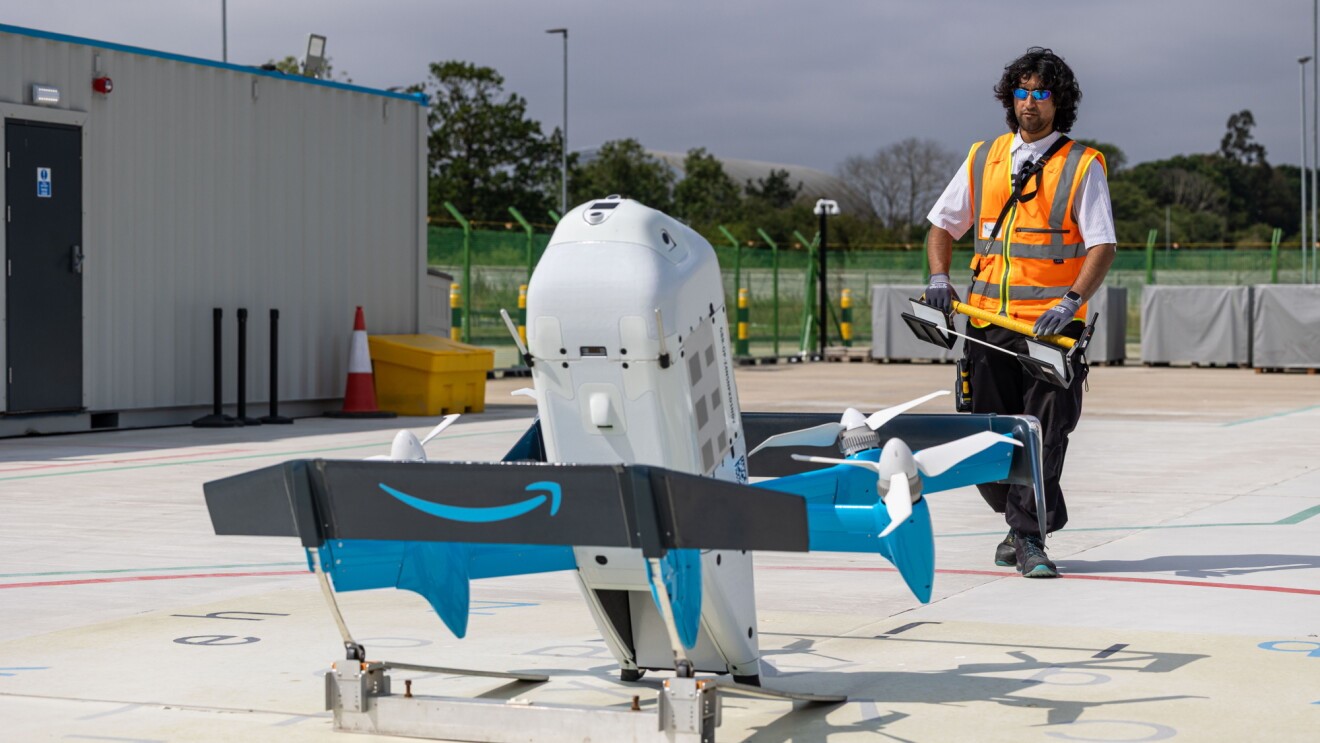
The bullet-train program is part of a broader push into offbeat delivery modes, according to FreightWaves. In more than 50 cities across Europe, compact e-cargo bikes are used in crowded neighborhoods, reducing noise, eliminating tailpipe emissions and taking vehicles off the road. Amazon is also testing e-cargo bikes in Washington, D.C. The company's logistics arm is scaling up drone delivery across the United States and has launched operations in England.
In locations with unusual constraints, Amazon adapts further: on Mackinac Island, where motor vehicles have been banned since the nineteenth century and about 500 residents live, deliveries arrive by horse-drawn carriage. In Venice, last-mile deliveries are often made by boat on the city's waterways. To reach Monhegan Island, 10 miles off the central coast of Maine, Amazon partners with the operator of a 65-foot wooden boat, according to FreightWaves.
Implications for shippers and logistics operators
FreightWaves' reporting highlights how Amazon is layering additional modes into its middle-mile and last-mile networks rather than relying solely on trucks. The Shinkansen arrangement shows a shipper using scheduled passenger rail for line-haul parcel movement, a model that could matter for freight forwarders evaluating rail alternatives on high-density corridors. The e-cargo bike rollout creates new last-mile capacity in dense Southern California neighborhoods, with independent delivery partners operating the fleet under Amazon's training and safety framework. The permanent status of the Culver City and Burbank operations signals a structural addition to Amazon's delivery network, not a seasonal pilot. Shippers that use Amazon's logistics services may see faster same-day cutoffs in the Tokyo-to-northern-Japan corridor and cleaner, quieter urban delivery options in Los Angeles County.
Watch list
- Full ramp of Culver City e-cargo bike operations over the next four to six weeks, according to Gullett.
- Burbank e-cargo bike launch in the next few weeks.
- Possible expansion of the Shinkansen parcel program beyond the three current high-speed routes.
- Continued scale-up of Amazon drone delivery in the U.S. and operations in England, plus e-bike testing in Washington, D.C.
Sources: