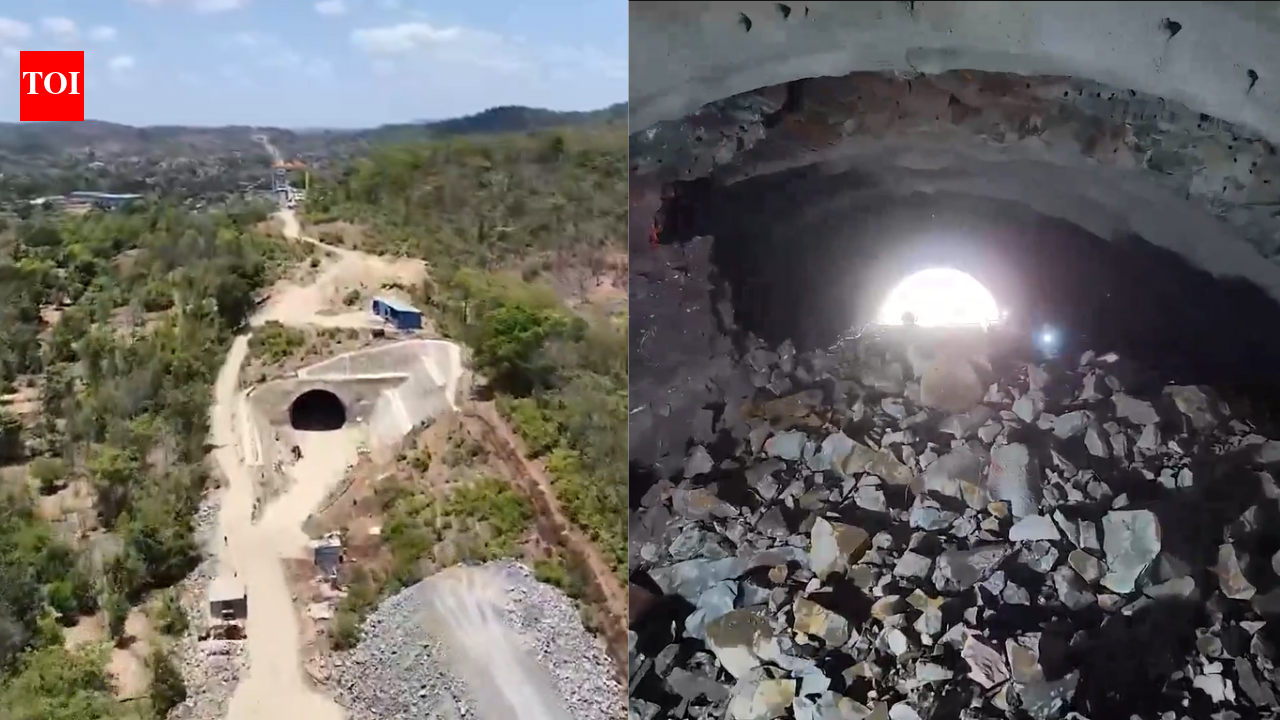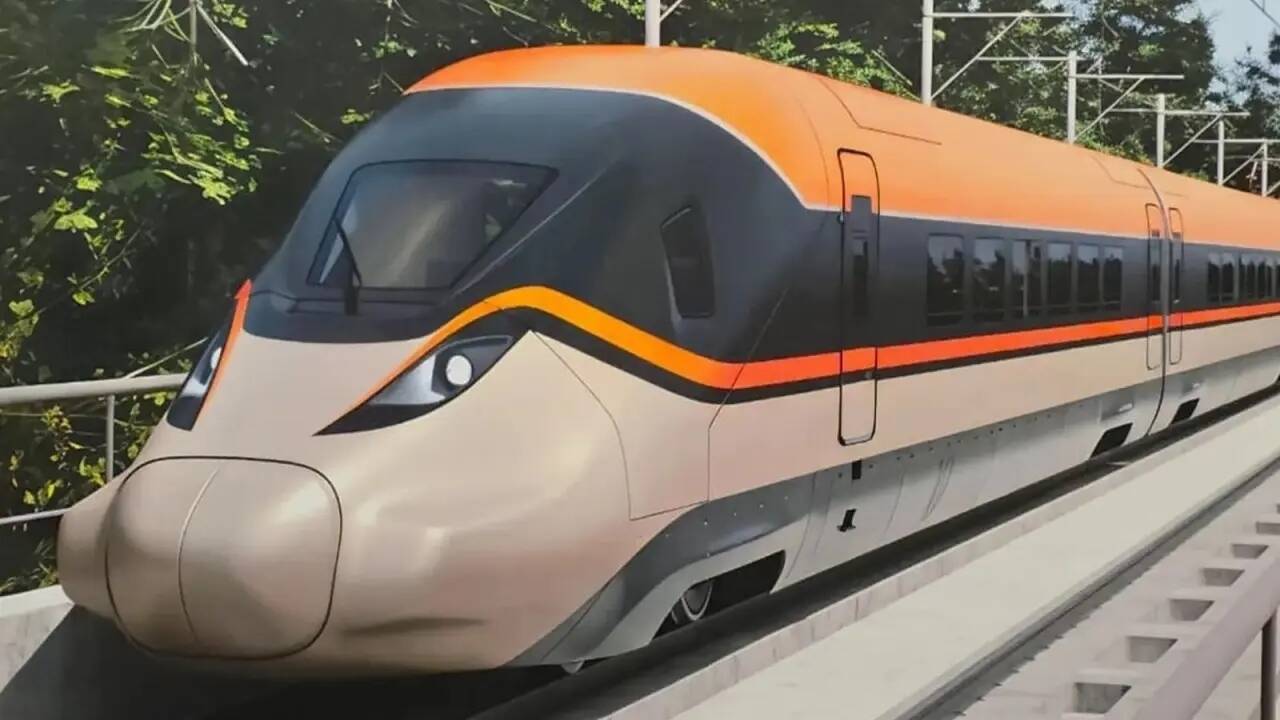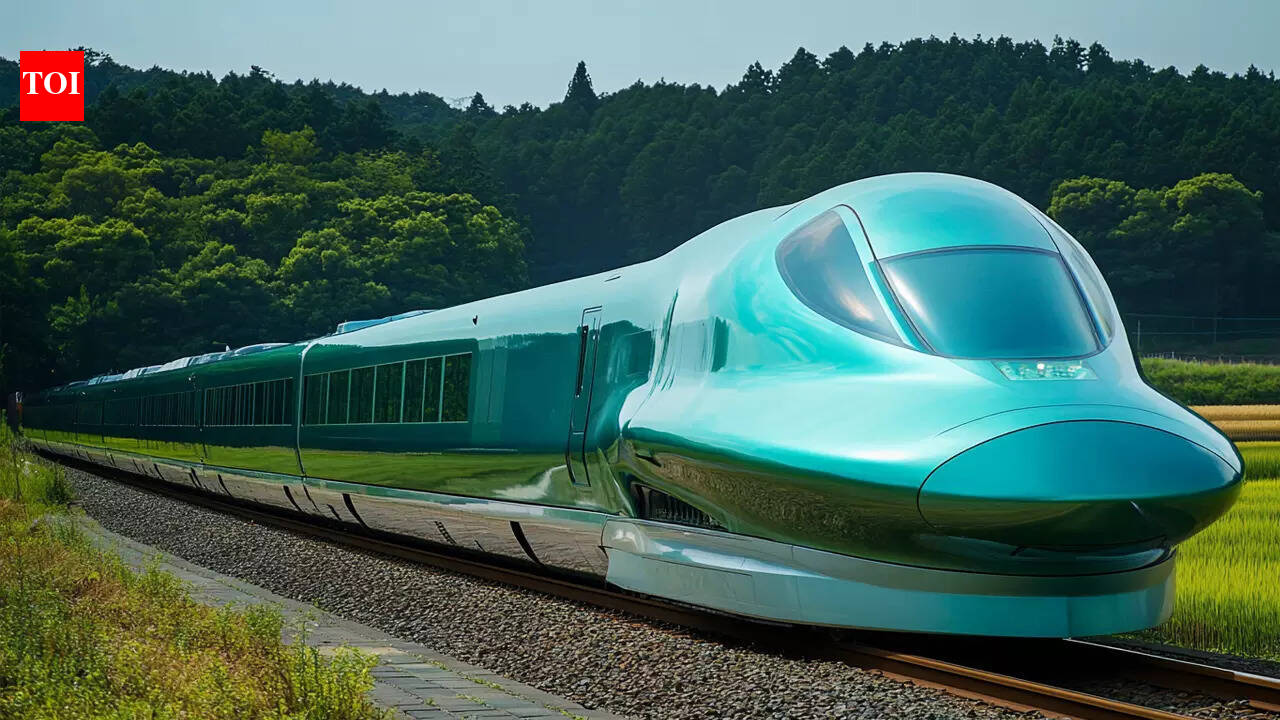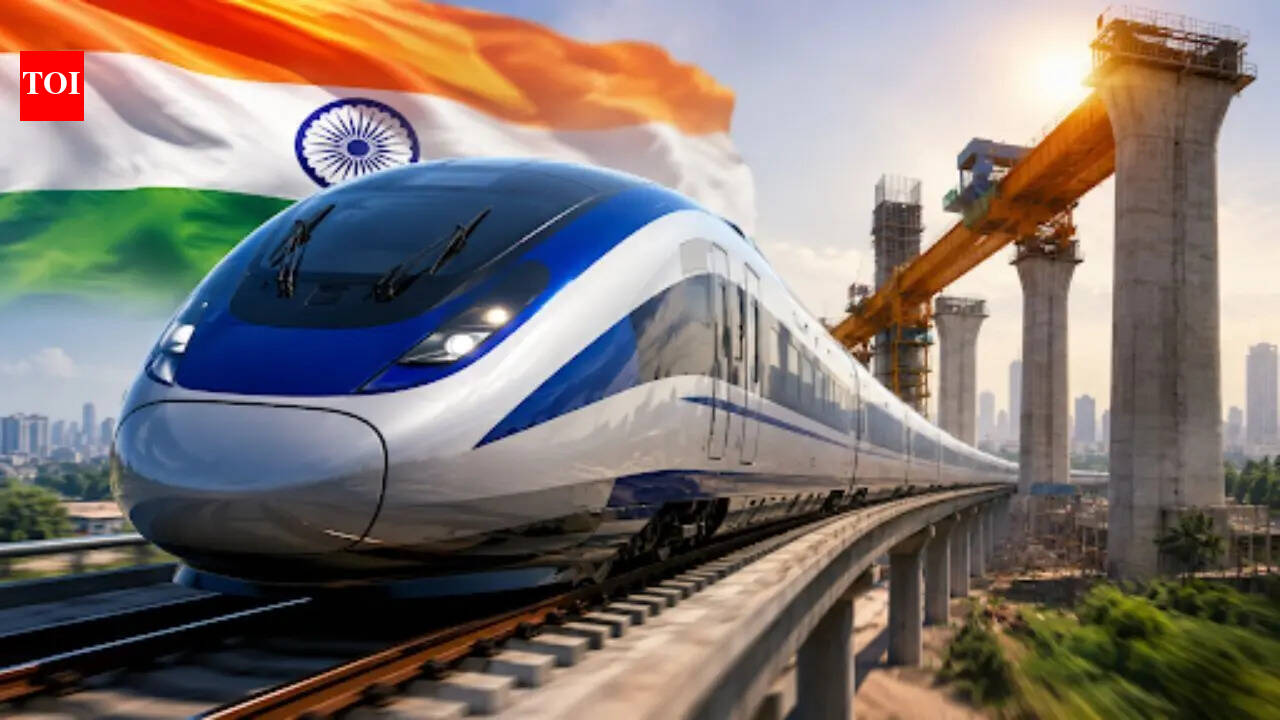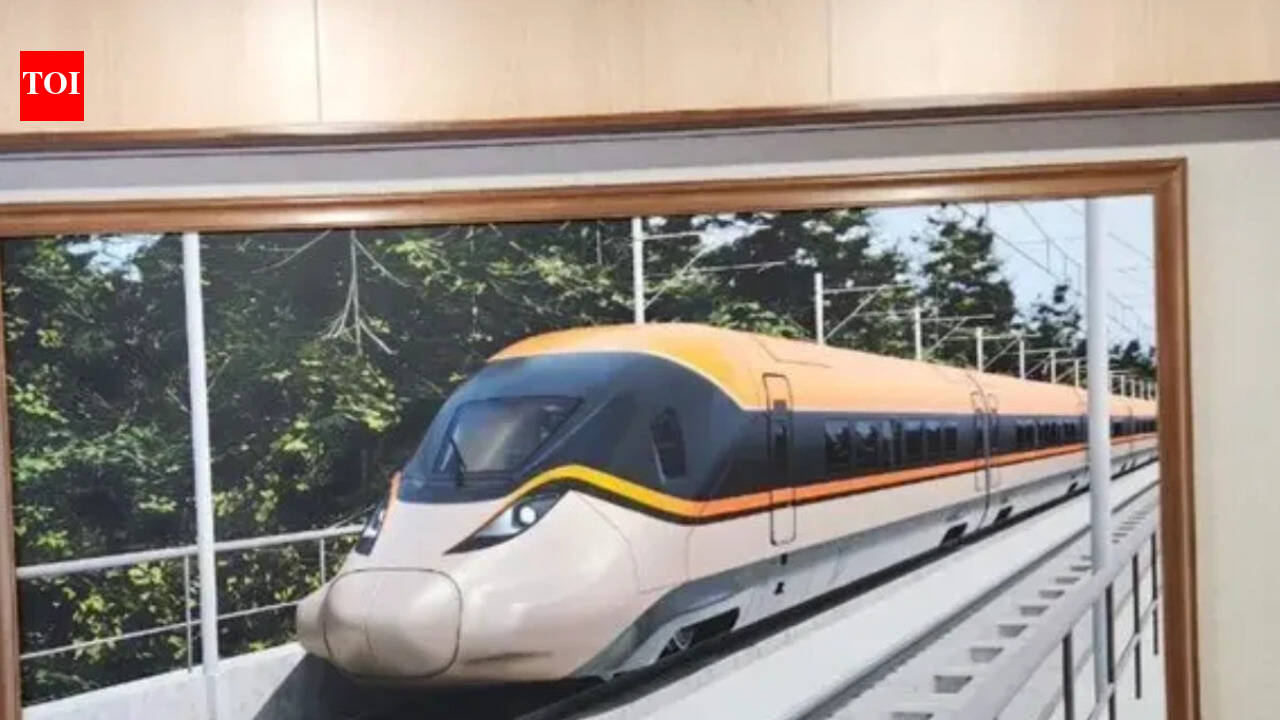
India's first high-speed rail service, connecting Mumbai and Ahmedabad, is expected to be operational by 2027, according to a report from the Times of India (TOI). The project, often referred to as the bullet train, marks a significant milestone in the country's rail infrastructure development, with potential long-term implications for intermodal logistics and passenger mobility.
High-Speed Rail Corridors and Travel Times
The TOI report includes a table listing travel times for several proposed high-speed rail corridors across India. While the headline focuses on the Mumbai-Ahmedabad line, the table covers routes connecting major cities. The reported travel times are as follows:
| Route | Travel Time |
|---|---|
| Delhi–Varanasi | 3 hours 50 minutes |
| Varanasi–Patna–Siliguri | 2 hours 55 minutes |
| Chennai–Bengaluru | 1 hour 13 minutes |
| Bengaluru–Hyderabad | 2 hours |
| Chennai–Hyderabad | 2 hours 55 minutes |
| Mumbai–Pune | 48 minutes |
| Pune–Hyderabad | 1 hour 55 minutes |
It is unclear from the source whether all these routes are part of the same phased high-speed rail program or separate projects. The TOI article does not provide additional details on the Mumbai-Ahmedabad corridor's specific features, but the 2027 target for the first service is confirmed in the headline.
Implications for Logistics and Intermodal Freight
While the bullet train is primarily a passenger project, the development of high-speed rail corridors could eventually free up capacity on conventional rail lines for freight movement. India's dedicated freight corridors (Eastern and Western) are already operational, and the addition of high-speed passenger rail may reduce congestion on mixed-use tracks. However, the TOI report does not mention any direct freight benefits or cargo capacity for the bullet train.
For logistics operators, the key takeaway is the timeline: by 2027, the Mumbai-Ahmedabad high-speed link could alter regional connectivity, potentially enabling faster movement of time-sensitive goods if future freight services are added. The other listed corridors, if built, would similarly enhance connectivity between manufacturing hubs and ports.
Watch List
- Project execution: Construction progress on the Mumbai-Ahmedabad corridor will determine the 2027 deadline.
- Land acquisition and clearances: High-speed rail projects in India have faced delays; any updates will affect the timeline.
- Further corridor announcements: The travel times for other routes suggest the government's broader vision for high-speed rail, which may open new logistics opportunities.
Sources: