iGEN
Visit IGEN World Explore IGEN Expo
EXPLORE UPGRADE PLANS
BREAKING
CMA CGM and Stonepeak Launch United Ports LLC in $2.4 Billion Terminal Joint Venture UPS shift away from Amazon shows bigger payoff Lanesurf: 62% of Loads Get Vetted Carrier Offers Before Brokers Arrive India-China Border Trade Via Lipulekh Resumes Aug 1; China Permits 20 Traders Geopolitics Drives CMA CGM Q2 Profit Surge of 42% as Volumes and Rates Climb Benchmark Diesel Price Rises Third Week as Futures Plunge; Spread Hits Record Indian Government Limits Sugar Dealers to 400 Tonnes Stock Until November to Curb Hoarding Tenants signing longer leases for larger warehouses as 3PLs lock in capacity US stock market flat as S&P 500 and Dow barely move, Nasdaq slides over 1% on chip rout TruAlt Bioenergy Q1 Net Zooms to ₹59.27 Crore on Higher Revenues, Capacity Expansion CMA CGM and Stonepeak Launch United Ports LLC in $2.4 Billion Terminal Joint Venture UPS shift away from Amazon shows bigger payoff Lanesurf: 62% of Loads Get Vetted Carrier Offers Before Brokers Arrive India-China Border Trade Via Lipulekh Resumes Aug 1; China Permits 20 Traders Geopolitics Drives CMA CGM Q2 Profit Surge of 42% as Volumes and Rates Climb Benchmark Diesel Price Rises Third Week as Futures Plunge; Spread Hits Record Indian Government Limits Sugar Dealers to 400 Tonnes Stock Until November to Curb Hoarding Tenants signing longer leases for larger warehouses as 3PLs lock in capacity US stock market flat as S&P 500 and Dow barely move, Nasdaq slides over 1% on chip rout TruAlt Bioenergy Q1 Net Zooms to ₹59.27 Crore on Higher Revenues, Capacity Expansion
Home ›› Logistics ›› Shipping Freight ›› Shipping Lines ›› India's Bullet Train Project: Indigenous Trains, Interoperable Signalling Set for 2027 Launch

India's Bullet Train Project: Indigenous Trains, Interoperable Signalling Set for 2027 Launch

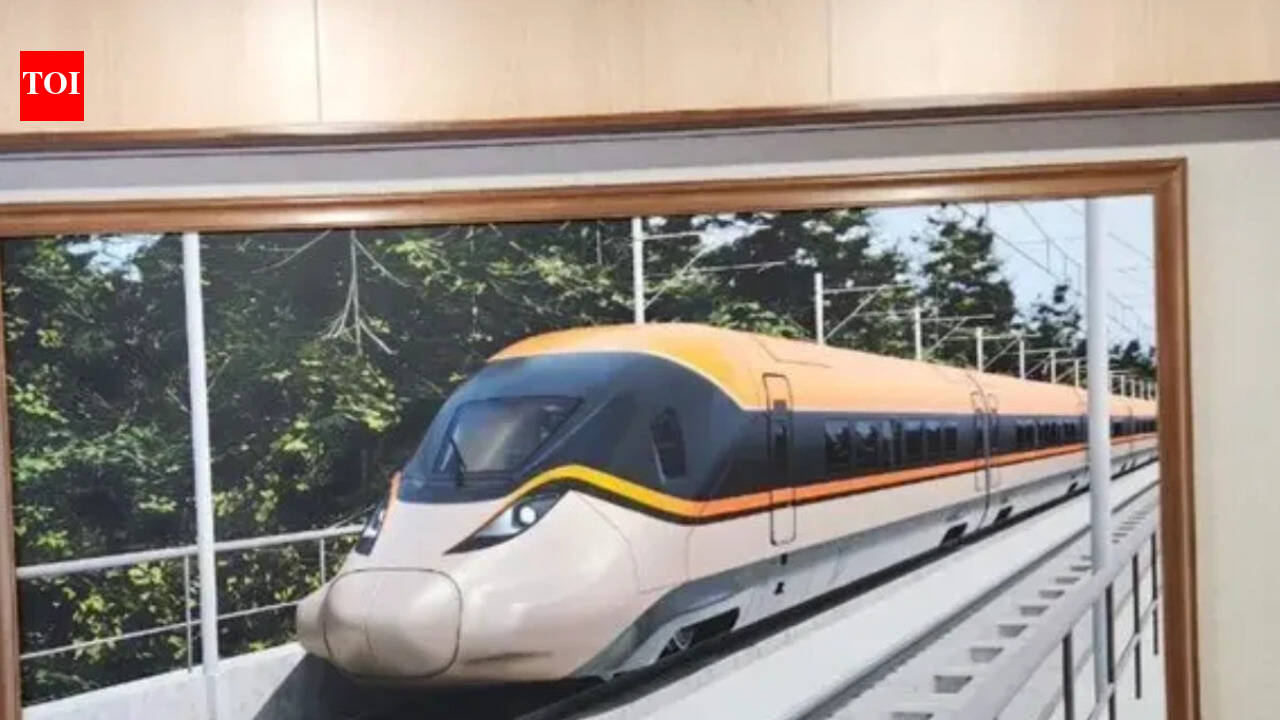
India and Japan jointly progress the Mumbai-Ahmedabad high-speed rail project, with indigenous bullet trains manufactured by BEML. Trials are set for mid-2027, and commercial services aim to start in August 2027 on the Surat-Vapi stretch. The trainsets, with a design speed of 280 kmph, are being built at BEML's 'Aditya' complex in Bengaluru.

iG
iGEN Editorial
July 20, 2026
India's Bullet Train Project: Indigenous Trains, Interoperable Signalling Set for 2027 Launch

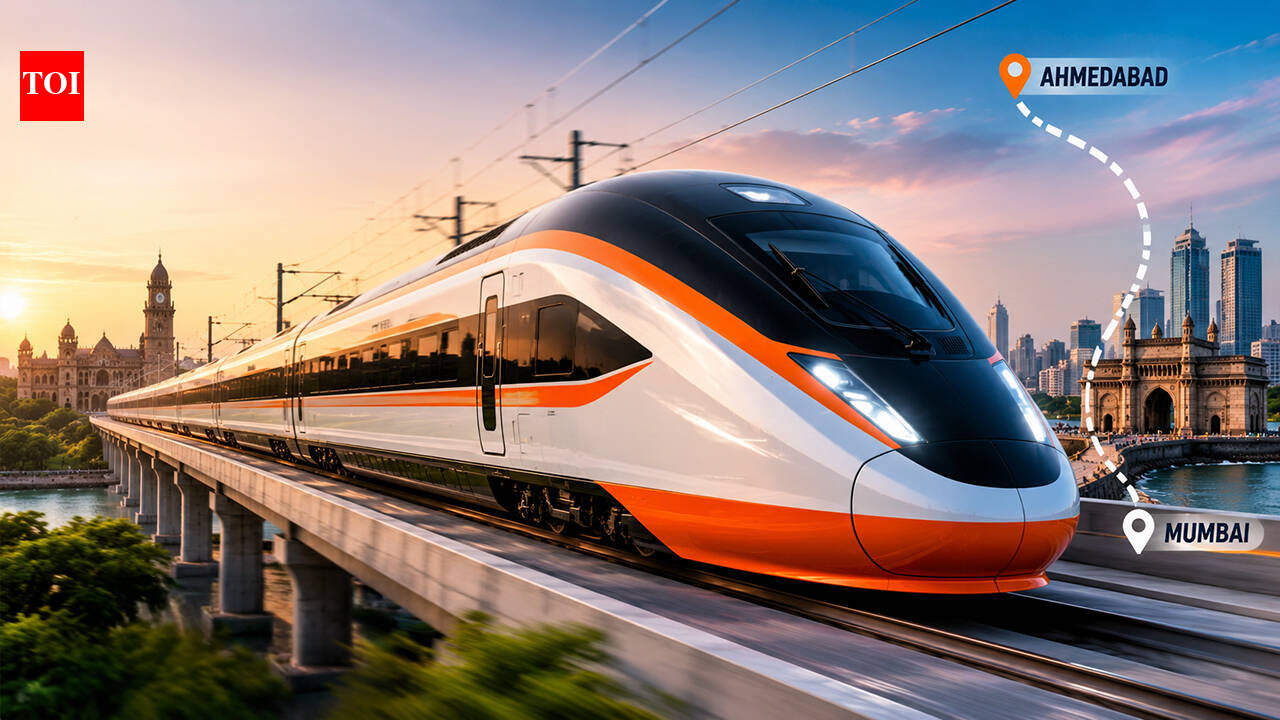
India's first high-speed rail project is on track for a commercial launch in August 2027, featuring domestically manufactured bullet trains and a globally interoperable signalling system, according to a senior official. The Mumbai-Ahmedabad corridor will initially see services on the 97-km Surat-Vapi section, with civil construction scheduled for completion this year.

Project Timeline and Milestones

Trials of the indigenously developed bullet trains are planned by mid-2027, with commercial services expected to commence from August 2027, a senior official told ET. The railway ministry aims to launch the country's first bullet train route on the Surat-Vapi section of the corridor. The project, a flagship collaboration between India and Japan, has seen Japanese experts oversee construction since 2021. According to an ET report, the decision to develop indigenous trainsets followed the failure of Japanese suppliers to submit proposals matching the 2027 timeline.

Indigenous Manufacturing and Contract

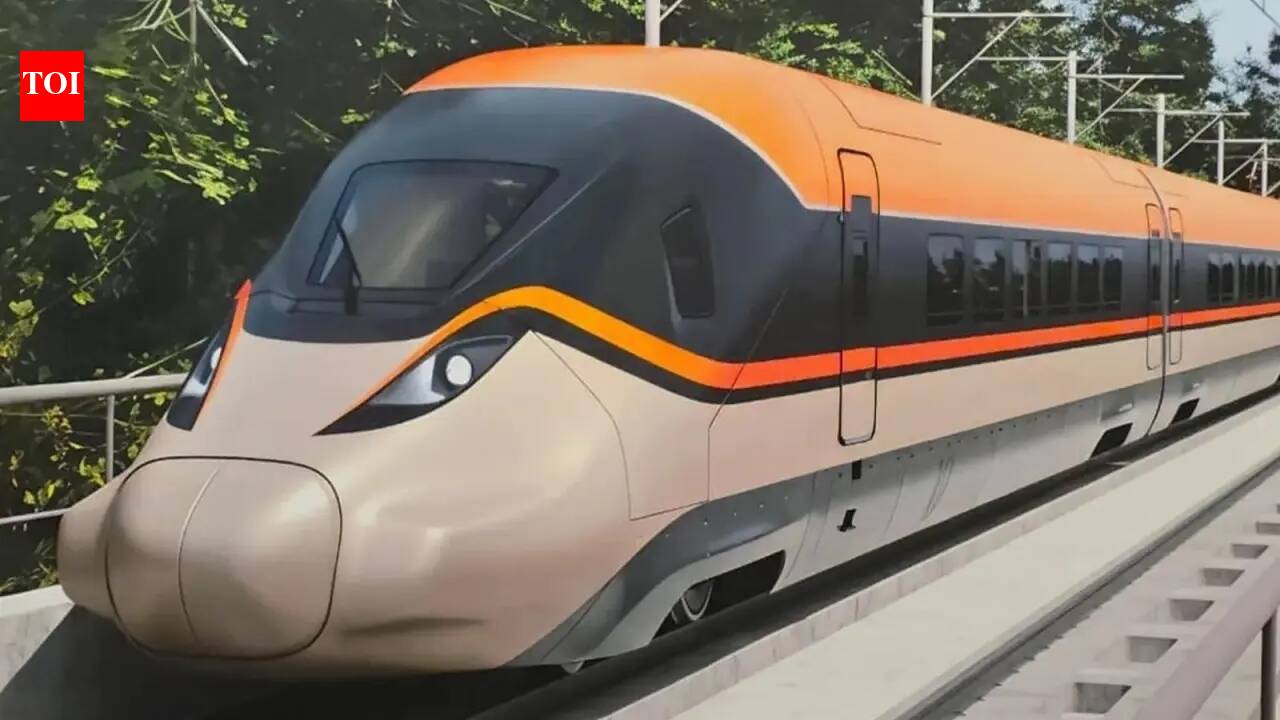
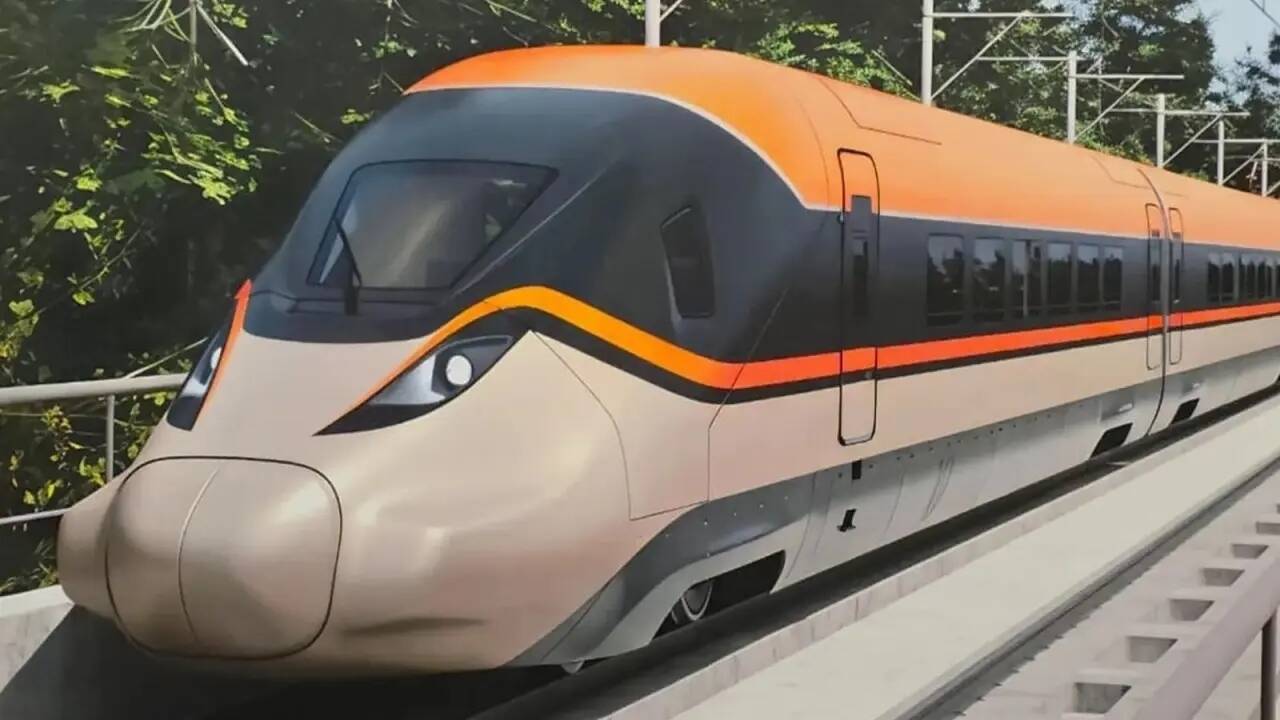
Integral Coach Factory (ICF), Chennai, awarded a contract worth Rs 866.87 crore to BEML Limited for the design, manufacture, and commissioning of two prototype high-speed trainsets. These eight-coach trainsets, codenamed B-28, will be capable of operating at speeds exceeding 250 kmph with a design speed of 280 kmph. The rollout is scheduled for 2027, with design work currently in its final stages. BEML has established a dedicated 'Aditya' High-Speed Rail Complex in Bengaluru for manufacturing. The trainsets are engineered for India's hot and dusty environment, unlike bullet trains in Japan and Europe designed for cold weather. Features include fully air-conditioned chair cars, advanced onboard infotainment, reclining and rotatable seats, and dedicated facilities for divyangjans.

Phase Top Speed Timeline
Initial trainsets 280 kmph 2027
Subsequent versions 350 kmph Later

Signalling and Interoperability

The Mumbai-Ahmedabad high-speed rail corridor will operate with globally interoperable signalling systems, a joint decision by India and Japan. The indigenous bullet trains will be equipped with this technology. Japanese experts from the Ministry of Land, Infrastructure, Transport and Tourism are responsible for approving drawings, designs, construction schemes, and quality control, according to a senior official. This coordination ensures the corridor is operationalised as quickly as possible.

Implications for Logistics and Supply Chain

While the project currently focuses on passenger transport, the development of high-speed rail infrastructure and indigenous manufacturing capabilities holds potential for future freight integration. The completion of the Surat-Vapi section could improve intermodal connectivity in western India, offering logistics operators alternative routes for time-sensitive cargo if high-speed freight services are introduced. The advanced signalling system and new rail complex in Bengaluru represent key infrastructure upgrades that may support supply chain efficiency in the long term.

Recent political attention arose after former Japanese law minister Hideki Makihara alleged India was a difficult negotiating partner, but the Ministry of External Affairs clarified that discussions are progressing smoothly. Makihara did not participate in project meetings; coordination has been handled by Japan's Ministry of Land, Infrastructure, Transport and Tourism. Both countries remain committed to the 2027 commercial operations goal.


Sources: Business-Today
Keep Reading

Recommended Stories

Mumbai-Ahmedabad Bullet Train: India to Get Its First High-Speed Rail Service by 2027 Logistics

Mumbai-Ahmedabad Bullet Train: India to Get Its First High-Speed Rail Service by 2027

India aims to launch its first high-speed rail service on the Mumbai-Ahmedabad corridor by 2027, according to a Times of India report. The article also details travel times for several other proposed high-speed routes, including Delhi-Varanasi (3h50m), Chennai-Bengaluru (1h13m), and Mumbai-Pune (48 minutes).

July 4, 2026
India's Indigenous Bullet Train Project: An Engineering Leap for Manufacturing Manufacturing

India's Indigenous Bullet Train Project: An Engineering Leap for Manufacturing

India's first bullet train service on the Surat–Bilimora section is expected by August 2027. The trains will be manufactured indigenously, with a Rs 866.87 crore contract awarded to BEML Limited for two prototype high-speed train sets. This marks a significant engineering leap, requiring new capabilities in lightweight construction, advanced braking, and high-speed control systems.

June 26, 2026
Railway Minister Vaishnaw Launches New Train Services but Details Are Unavailable in Source Logistics

Railway Minister Vaishnaw Launches New Train Services but Details Are Unavailable in Source

A Times of India article reported that Railway Minister Ashwini Vaishnaw launched new train services, but the published text contains no specifics on routes, extensions, or other operational details. The article instead describes the TOI Business Desk and lists financial calculators. No actionable intelligence for freight or logistics readers can be derived from the provided source.

July 6, 2026
India Approves 7 New Bullet Train Corridors in High-Speed Rail Expansion Push Logistics

India Approves 7 New Bullet Train Corridors in High-Speed Rail Expansion Push

The Indian government has approved seven new bullet train corridors, according to a report by the TOI Business Desk. The approval marks a significant step in the Centre's high-speed rail expansion across India, though further details on routes, timeline, and investment were not provided in the source article.

June 20, 2026