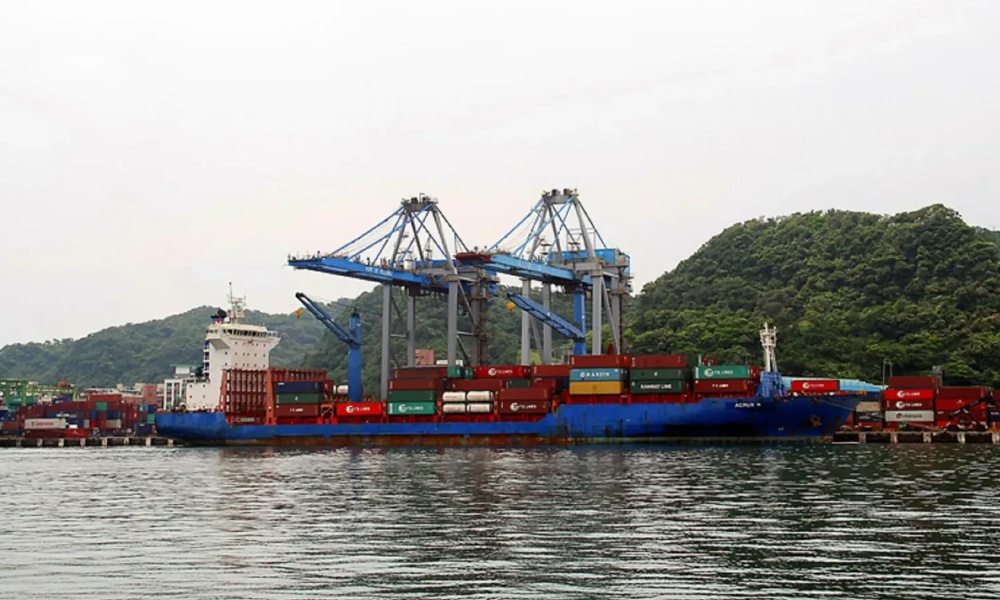
Sea Legend has launched weekly container sailings along Russia's Northern Sea Route, turning a 2025 Arctic trial into a scheduled seasonal service, according to Splash247. The 1,740 teu Dubai Tower departed Ningbo-Zhoushan on Saturday evening, marking the start of Sea Legend's first regular seasonal Arctic service following a successful trial voyage last year, Splash247 reported.
Service schedule and fleet
Splash247 reported that eight sailings are planned between August and October using seven ice-strengthened ships, with vessels departing China approximately every week during the Arctic navigation window. The service links Ningbo-Zhoushan with Felixstowe, Rotterdam, Hamburg and Gdynia, giving ocean carriers and freight forwarders a scheduled alternative to traditional Suez Canal routings for the late-summer and autumn period.
| Departure port | European destinations | Sailings | Fleet |
|---|---|---|---|
| Ningbo-Zhoushan | Felixstowe, Rotterdam, Hamburg, Gdynia | 8 (August–October) | 7 ice-strengthened ships |
Target cargo and transit times
The service targets high-value and time-sensitive exports including batteries, energy storage systems, solar equipment and other new-energy products, Splash247 reported. Sea Legend is advertising transit times of around 18 to 20 days between China and northern Europe, roughly half the time required on traditional routings via Suez, according to the same report.
The schedule escalation follows a single voyage in 2025 when the 4,890 teu Istanbul Bridge completed an Arctic run from Ningbo to Felixstowe in approximately 20 days, Splash247 noted. That trial has now been expanded into a multi-sailing weekly service.
| Voyage | Vessel | TEU | Route | Transit time |
|---|---|---|---|---|
| 2025 trial | Istanbul Bridge | 4,890 | Ningbo to Felixstowe | ~20 days |
| 2026 weekly service | Dubai Tower (first sailing) | 1,740 | Ningbo-Zhoushan to northern Europe | 18–20 days advertised |
Why the Arctic corridor now
Sea Legend executives pointed to instability in the Middle East, including disruption around the Red Sea and Strait of Hormuz, as evidence of the vulnerability of established maritime chokepoints and the need for alternative China–Europe corridors, Splash247 reported. The Arctic route avoids those chokepoints during its operational window, giving shippers of time-sensitive new-energy equipment a faster option when the ice allows.
Implications for forwarders and shippers
For freight forwarders and logistics managers, the confirmation of a weekly schedule rather than a one-off voyage provides a predictable booking option on the China–northern Europe lane for the next two months. The 18–20 day transit time, if maintained, compares favourably with Suez routings on duration, and the targeted cargo list — batteries, energy storage systems, solar equipment — signals which shippers stand to benefit most.
However, the service is strictly seasonal: the current window runs August to October, with Sea Legend planning eventually to maintain four months of reliable Arctic operations each year and gradually extend the sailing season, according to Splash247. Capacity is also limited by the small size of the ships involved — the first sailing uses a 1,740 teu vessel, significantly smaller than the 4,890 teu trial ship from 2025 — so forwarders will need to plan around constrained slot availability.
Watch list
- Season extension: Sea Legend's stated plan to gradually extend the sailing season beyond the current August–October window, moving toward four months of reliable annual operations.
- Middle East security: The Red Sea and Strait of Hormuz disruptions cited by Sea Legend executives as the strategic rationale for the Arctic corridor.
- Fleet deployment: Whether the seven ice-strengthened ships maintain the weekly cadence through the remaining scheduled sailings.
Sources: