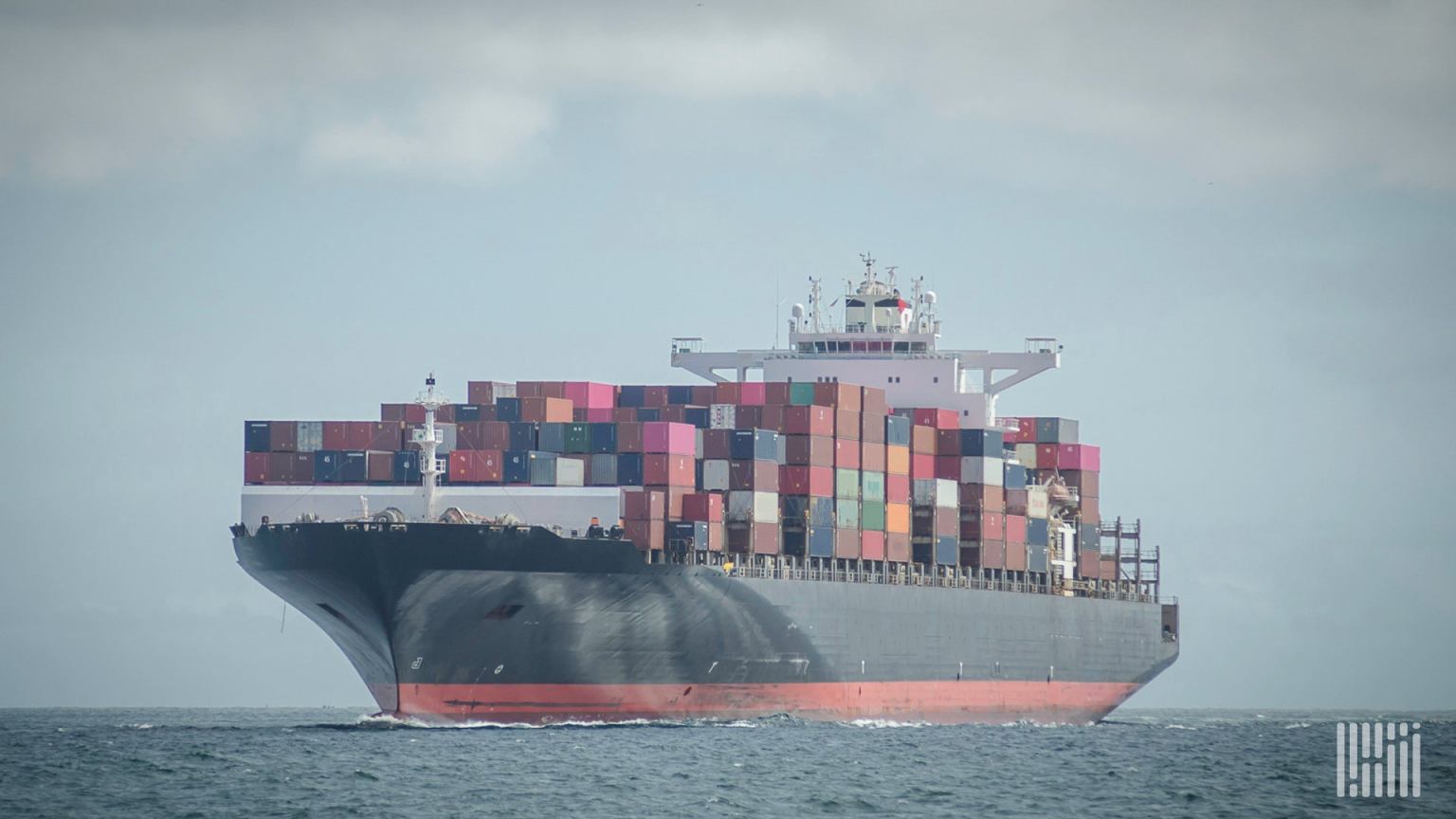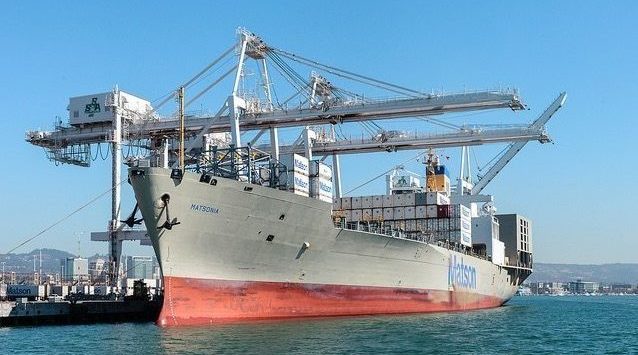
The United States should consider establishing a publicly backed container shipping line to reduce its dependence on foreign carriers, according to a new report from the Open Markets Institute, a Washington-based antimonopoly group. The report claims that six overseas-owned liner companies control nearly 80% of global container capacity and more than 90% of US trade on major routes, describing the concentration as a 'container cartel'. This dominance leaves US importers, exporters and defence planners exposed to decisions taken by companies headquartered abroad.
Report Highlights
The report, titled Creating a Publicly Accountable Ocean Supply Chain, argues that four decades of deregulation, consolidation and alliance-building have eroded US maritime resilience. Author Arnav Rao asserted that container shipping should be treated as critical infrastructure. The study notes that America's internationally trading, US-flagged container fleet has dwindled to 58 ships, representing less than 1% of the global total. The institute warns that the country depends on foreign carriers not only for consumer supply chains but also for sealift during emergencies.
The report alleges that dominant carriers can exploit opaque service contracts, discriminatory pricing, blanked sailings, cargo delays and surcharges, with smaller exporters and manufacturers carrying the greatest burden.
Recommendations
The most radical recommendation in the report is a public container shipping option able to guarantee access to overseas markets where private carriers fail to provide reliable or nondiscriminatory service. Other proposals include:
- Tighter Federal Maritime Commission (FMC) scrutiny of global alliances
- Restored common-carrier protections
- Greater support for US-flagged tonnage
- Expanded mariner training
The report acknowledges that carrier cooperation agreements are already filed with and monitored by the FMC and can receive exemption from US antitrust law. The regulator requires extensive reporting from alliances and can seek an injunction where reduced competition produces unreasonable cost increases or deteriorating service. Nevertheless, the report argues that monitoring is insufficient when the underlying fleet, crewing base and commercial capacity have moved offshore.
Shipper and Operator Implications
For US-based freight forwarders, logistics managers and shippers, the report underscores the vulnerability of relying on a concentrated group of foreign carriers. The potential creation of a public container carrier could offer an alternative for cargo owners who face service disruptions or discriminatory pricing on key trade lanes. However, such a carrier would take years to establish. In the near term, the report's call for tighter FMC scrutiny may lead to increased reporting requirements for alliances, potentially affecting service contract terms and surcharge transparency.
Watch List
Key factors to monitor include:
- Any legislative action in Washington to establish a publicly backed carrier or enhance FMC authority
- Shifts in alliance structures or carrier withdrawals from US trade lanes that could trigger FMC intervention
- Progress on expanding US-flagged tonnage and mariner training programs
The report's central message is that Washington cannot rebuild maritime resilience through shipyard subsidies alone; it must also decide who controls access to the transport network connecting American producers and consumers with the world.
Sources: