The U.S. Supreme Court’s unanimous May 14 ruling in Montgomery v. Caribe Transport II, LLC eliminated the long-standing broker defense against negligent-hire claims, and the same legal reasoning now threatens to expose truck leasing companies—including Ryder, Penske, Idealease, and Enterprise Truck Rentals—to similar liability, according to FreightWaves.
Case Background
The case arose from a 2017 crash in which Shawn Montgomery lost his leg after a truck operated by Caribe Transport II, LLC struck him on an Illinois highway. The load had been arranged by C.H. Robinson, the largest U.S. freight broker. At the time of selection, Caribe held a conditional safety rating from the Federal Motor Carrier Safety Administration (FMCSA), with documented deficiencies in driver qualification, hours of service, and vehicle maintenance—all publicly available in a federal database. The Supreme Court held 9-0, in an opinion written by Justice Barrett, that a state-law claim for negligent hiring of an unsafe carrier is not preempted by the Federal Aviation Administration Authorization Act of 1994 (FAAA Act) because the statute’s motor vehicle safety exception preserves state authority over safety.
Broker Impact
Post-ruling commentary has urged brokers to document vetting processes, formalize carrier selection criteria, and prepare for discovery into safety screening, FreightWaves reported. However, the article’s author, a retained expert witness in multiple cases involving equipment lessors, argues the decision may have even greater implications for the commercial truck leasing industry. Brokers’ previous protection came from the FAAA Act’s preemption provision, while lessors have relied on a different statute—the Graves Amendment, enacted in 2005—which never provided categorical immunity.
Lessor Exposure
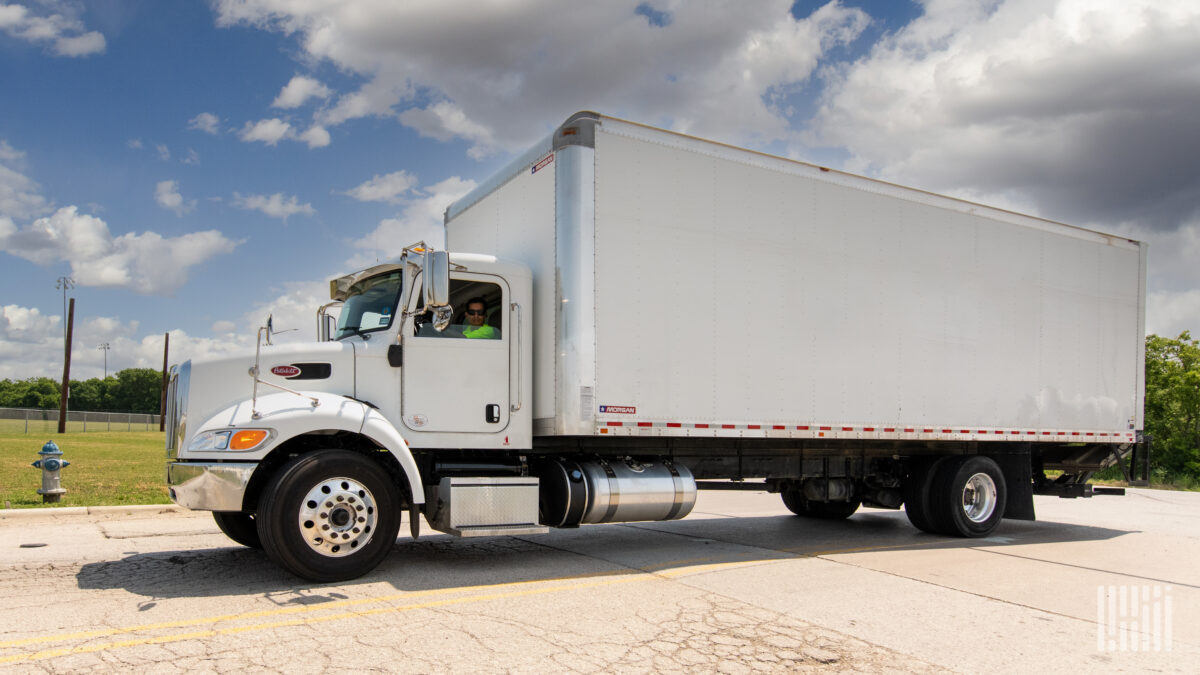
The Graves Amendment shields vehicle owners from vicarious liability for the negligence of renters, but the Montgomery ruling’s reasoning, which centered on the duty to exercise ordinary care in selecting a carrier, applies to lessors “with more force than it ever applied to a broker,” according to FreightWaves. The article notes that leasing companies “put a meaningful share of America’s power units on the road under other companies’ operating authority” and are frequently listed as co-defendants in crash lawsuits.
| Entity | Previous Shield | Current Status |
|---|---|---|
| Freight brokers | FAAA Act preemption (1994) | Eliminated by Montgomery |
| Truck lessors | Graves Amendment (2005) | Weakened; categorical immunity never existed |
Shipper and Operator Implications
For freight forwarders, 3PLs, and shippers, the ruling means they should review not only broker agreements but also leasing contracts. Operators must ensure that any third-party carrier—whether selected by a broker or provided by a lessor—has been vetted using public FMCSA data. Brokers must also expect increased discovery into their screening processes. The article warns that the wall of protection for lessors was never as solid as brokers’ wall, and Montgomery has effectively invited similar scrutiny of lessors’ due diligence.
Watch List
In the coming months, watch for: litigation against equipment lessors based on the Montgomery reasoning; potential legislative efforts to clarify or limit the Graves Amendment; and FMCSA data usage standards in carrier selection.
Sources: