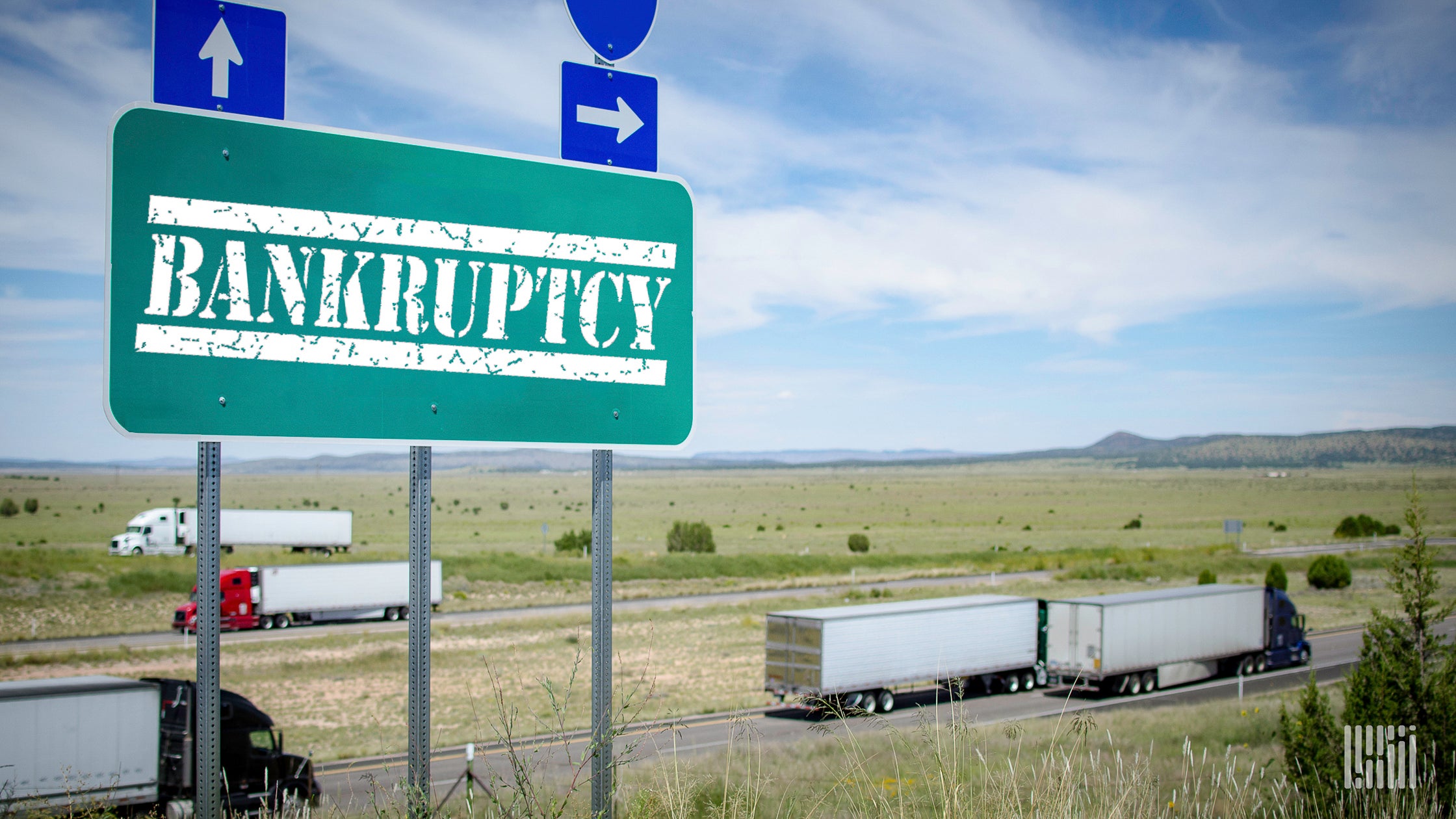
As more freight brokers face bankruptcy and fraud cases rise, transportation collections agencies have transformed into specialized investigators and mediators, requiring carriers and brokers to rethink their approach to overdue invoices.
The prolonged freight downturn has increased financial stress across the industry, leading to more broker failures and payment disputes. According to FreightWaves, this has forced collections firms like Freight Recovery Specialists to expand their services beyond simple debt recovery.
Expanding Role of Collections
Unlike traditional commercial collections, transportation collections often involve multiple parties connected to a single shipment. A dispute may include the motor carrier, freight broker, shipper, receiver, factoring company, surety bond provider, and insurance company. Determining who is responsible for payment frequently requires tracing every step of the freight transaction while understanding the legal obligations between each party.
Jennifer Chrestman, founder of Freight Recovery Specialists, said that many people outside the trucking industry underestimate the complexity of transportation collections. Her company also assists carriers and brokers with reputation management, disputes involving FreightGuard, Watchdog and MyCarrierPacket reports, and transportation-related mediation.
"Our primary purpose is helping the transportation industry get paid," Chrestman said. "But we have a variety of other services on our menu."
Creative Solutions Beyond Cash Payment
One of the biggest misconceptions is that every case ends with a payment. Following the collapse of R&R Express, Chrestman worked with one debtor who was concerned about paying twice due to potential double-payment liability. Instead of forcing a cash settlement, both parties negotiated dedicated freight lanes that created more long-term value than the original debt.
"That was way more valuable than the payment itself would have been," Chrestman said. The example illustrates how transportation collections frequently focus on preserving business relationships while resolving financial disputes.
Fraud and Timing: New Challenges for Carriers
Transportation invoices go unpaid for many reasons, from simple accounting errors to serious fraud. Disputes may originate with missing proof of delivery, incomplete invoices, or incorrectly submitted paperwork. However, more severe cases involve broker insolvency or fraudulent operations.
"A brokerage has become insolvent and gone out of business, or it was a fraudulent brokerage to start with," Chrestman said. "Sometimes they didn’t vet their broker well enough and got scammed. Sometimes there are just bad people out there."
The growth of freight fraud has changed the industry's mindset. Double brokering, identity theft, and fraudulent brokerage operations have made carriers and brokers far more cautious when payment problems arise. Questions that once centered on accounting errors now often begin with concerns about fraud.
Chrestman said one of the biggest mistakes carriers make is waiting too long before taking action after an invoice becomes overdue. Timing is critical; early intervention can mean the difference between recovery and loss.
Implications for Carriers and Brokers
Carriers should act quickly when invoices become overdue rather than waiting, as timing is critical. Engaging a specialized collections agency early can help resolve disputes, whether through documentation correction, mediation, or creative settlements like dedicated freight lanes. Agencies also provide reputation management to protect a company's standing on platforms like FreightGuard and Watchdog.
Watch list: Ongoing broker insolvencies and freight fraud cases will continue to shape collections practices. As market conditions fluctuate, carriers and brokers should monitor the financial health of their partners and maintain proper documentation to expedite any future collection processes.
Sources: