Amazon Air Cargo and DHL Group are operating emergency air bridges to Venezuela after twin earthquakes killed more than 3,800 people and left nearly 2 million needing aid, according to FreightWaves.
Amazon Air Cargo Deploys Weekly Flights
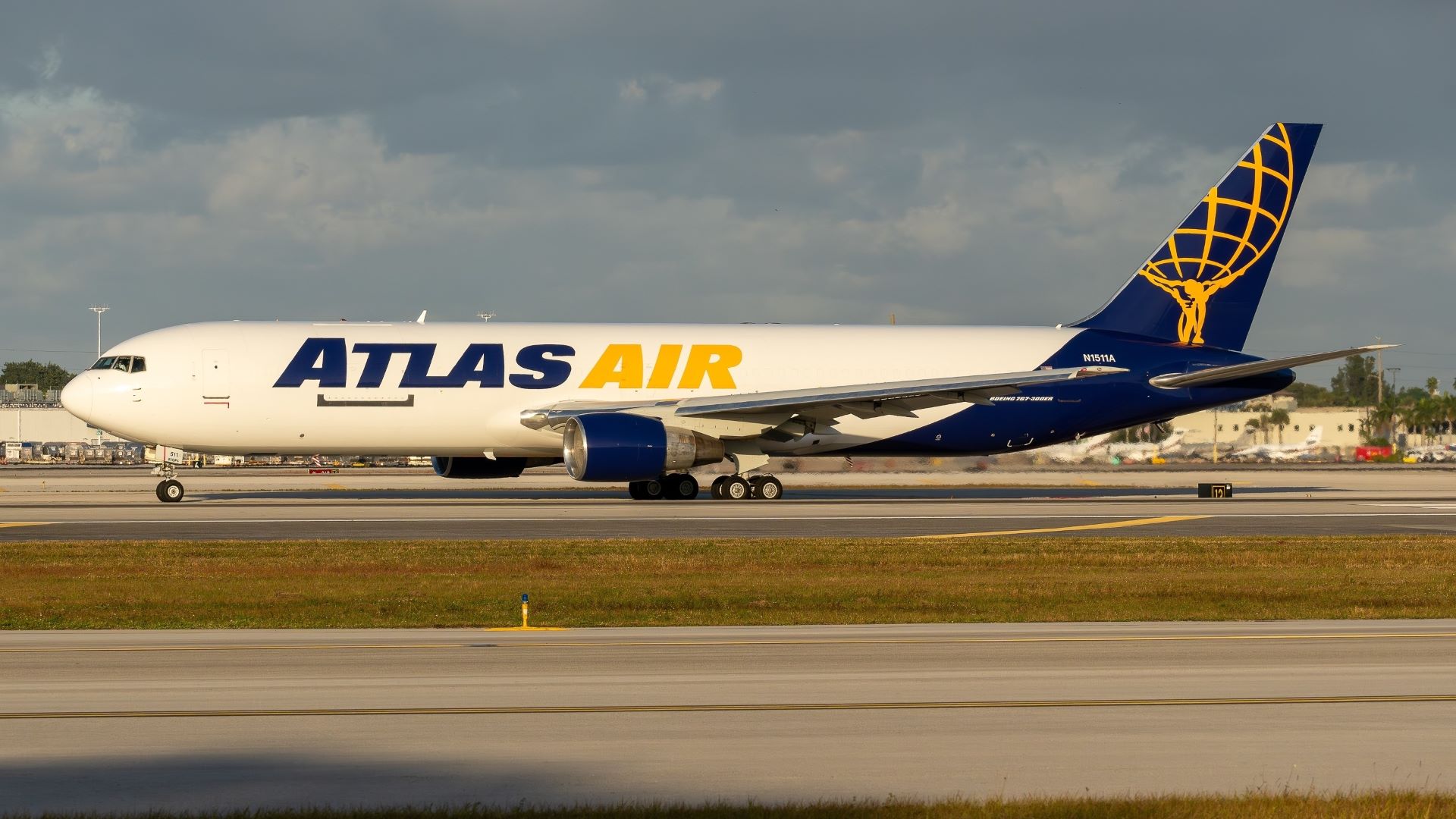
Amazon Air Cargo, the wholesale air cargo business that sells excess capacity on Amazon’s private freighter fleet to freight forwarders and other third-party shippers, will deploy seven weekly flights from Miami to Caracas with relief supplies for Venezuela, the company announced this week, reported FreightWaves. The first flight departed Miami International Airport Thursday morning (July 9) and was operated by 21 Air, an all-cargo airline under contract with Amazon, using a Boeing 767-200 converted freighter. Amazon is donating the aircraft and fuel.
DHL Mobilizes Three Humanitarian Flights
DHL Group has mobilized its air network, with help from Airlink, to operate three humanitarian aid flights to Venezuela. The first flight, on June 27, transported about 25 tons of search-and-rescue equipment and humanitarian supplies collected by the governments of Panama and Costa Rica. A second flight, operated on Tuesday (July 7) from Panama City to Caracas, transported 44 tons of humanitarian aid. On Thursday (July 9), a third flight arrived with another 40 tons of aid, including emergency shelter materials, hygiene kits, medical supplies, food, blankets, solar lanterns, mosquito nets, kitchen kits, water containers and other items.
| Flight | Date | Route | Cargo |
|---|---|---|---|
| 1 | June 27 | Panama to Venezuela | 25 tons search/rescue equipment |
| 2 | July 7 | Panama City to Caracas | 44 tons humanitarian aid |
| 3 | July 9 | - | 40 tons aid (shelter, hygiene, medical, etc.) |
More than 65 DHL employee volunteers in Ecuador, Costa Rica, Panama, Miami, and other locations across the Americas helped sort, consolidate, and palletize relief supplies. The donations were consolidated at DHL Express’ regional logistics hub at Panama’s Tocumen International Airport for onward delivery. DHL has also deployed its Disaster Response Team to coordinate movement of critical aid from governments, UN agencies, NGOs and private-sector partners across the Americas.
Coordination and Ground Logistics
The flights are made possible through coordination with Airlink, a non-profit group that matches humanitarian requests with airline capabilities, the U.S. Department of State and the United Nations World Food Program. Airlink collects donated supplies and delivers them to a Seko Logistics warehouse in Miami for screening and building pallets. The State Department is coordinating access with local authorities, and the World Food Program is managing logistics on the ground in Venezuela.
According to UNICEF, an estimated 1.8 million people, including 680,000 children, require humanitarian assistance following the earthquakes. The earthquakes caused widespread destruction, displacement, and significant damage to homes, infrastructure, and essential services across affected communities. Caracas’s Simon Bolivar airport was damaged and only one runway is in operation, slowing flight activity.
"In a disaster of this magnitude, coordination and speed of response is everything. Amazon’s donated airlift capacity allows us to move quickly and efficiently to heavily-impacted communities in Venezuela — eliminating bottlenecks and ensuring that every flight delivers what they need most," said Paloma Adams-Allen, President of Airlink, in a news release.
Amazon began offering its logistics and air cargo capabilities for disaster relief efforts nearly a decade ago. Venezuela marks the first time it has worked directly with Airlink. Meanwhile, Colombia-based Latam Group coordinated two special cargo flights in the days shortly after the earthquake struck, utilizing Boeing 767 freighters.
Implications for Logistics Operators
Freight forwarders and logistics managers should note the increased air cargo capacity on the Miami–Caracas lane due to these relief flights, which may affect commercial rates and availability. The damage to Simon Bolivar airport's single runway may cause congestion and delays for all cargo operators. Shippers moving goods into Venezuela should coordinate closely with carriers and customs brokers to navigate the constrained infrastructure. The involvement of multiple airlines and ground handlers (Seko, DHL) indicates a complex operational environment requiring careful planning.
Sources: