Delivery robot deployments face growing regulatory pushback, threatening last-mile automation plans in key US and Canadian cities. The backlash, driven by safety and accessibility concerns, has led to bans, restrictions, and campaigns seeking to suspend operations entirely.
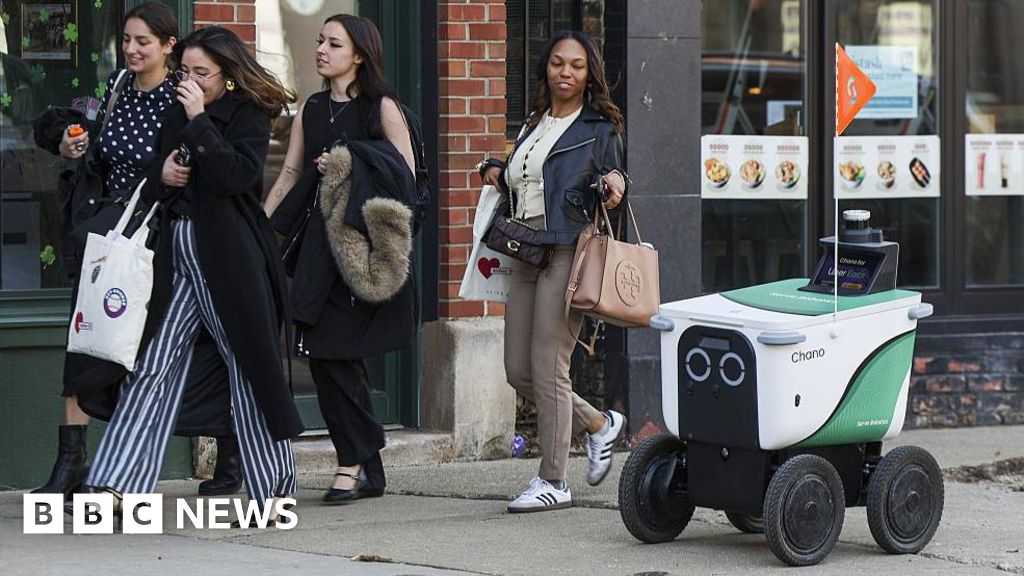
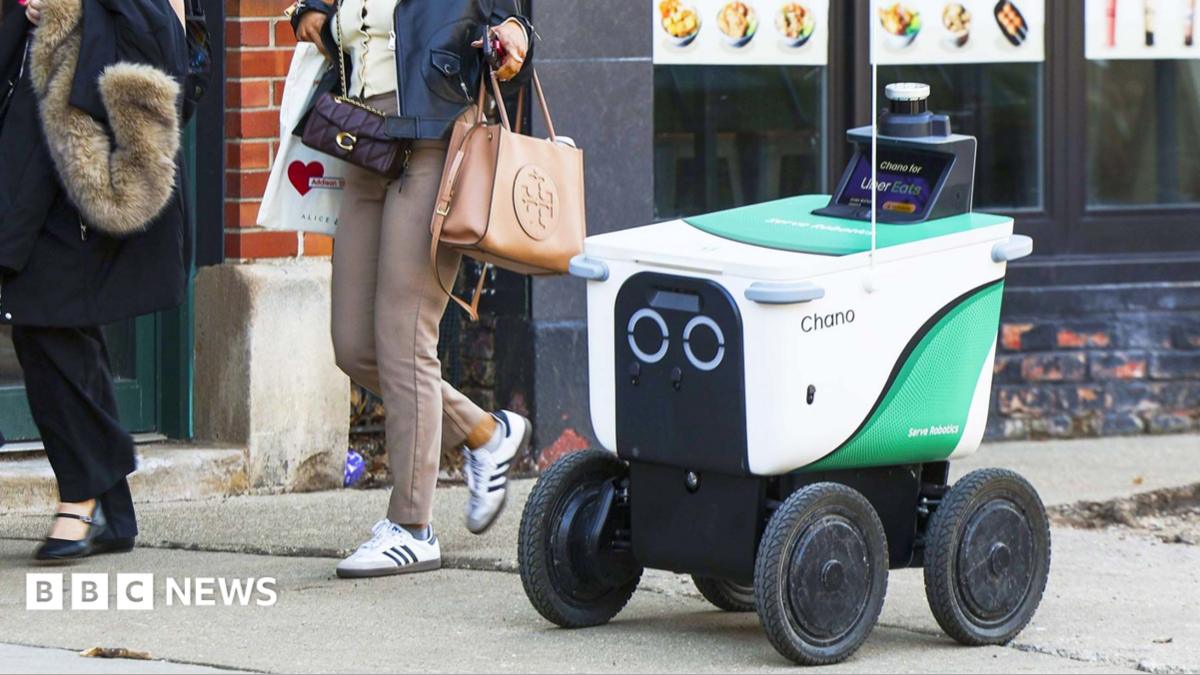
According to BBC Business, the robots — formally known as autonomous urban delivery vehicles — are now common in several US cities, as well as in the UK, Japan, South Korea, and Germany. They transport groceries and fast food using cameras, sensors, and GPS. Operating companies claim the robots can reliably avoid objects, cross streets safely, and reduce traffic and emissions.
City-by-City Restrictions
Local authorities are not as enthusiastic. The following actions have been taken:
| City | Action Taken |
|---|---|
| San Francisco | Limited robot access to less busy parts of the city |
| Toronto | Prohibited robots from sidewalks since 2021 |
| Chicago | Banned robots from two small areas of the city |
| Glendale, California | Considering a temporary ban; council cites lack of regulatory framework |
Chicago resident John Robertson, who first found the robots "kind of neat," changed his mind after dodging one with his family. He launched a petition calling for a city-wide suspension until safety tests are conducted and clear rules set. The petition has around 4,400 signatures. "There have been reports of collisions and injuries," Robertson told BBC Business. He noted incidents of robots blocking emergency vehicles and acting erratically at crosswalks.
In Glendale, California, council members were caught off guard. "The robots appeared without warning, and at first they didn't even know which company was supplying them," said Councilor Ardy Kassakhian. He cited concerns over accessibility, pedestrian movement, and the lack of permission to use public sidewalks. Kassakhian personally witnessed a "stand-off" between a robot and an elderly person, as well as broken-down robots causing obstructions.
Implications for Last-Mile Operators
For logistics companies investing in autonomous delivery, the backlash creates operational uncertainty. Bans and restrictions limit deployment areas, while public opposition may slow adoption. The Glendale council is seeking a regulated approach with operating rules, insurance requirements, accessibility standards, and possible permitting fees, according to BBC Business. Operators may need to engage proactively with city governments to avoid further restrictions.
Watch List
- Chicago City Council response to Robertson's petition
- Glendale council decision on temporary ban
- Potential expansion of restrictions to other cities
- Development of regulatory frameworks for autonomous delivery vehicles
Sources: