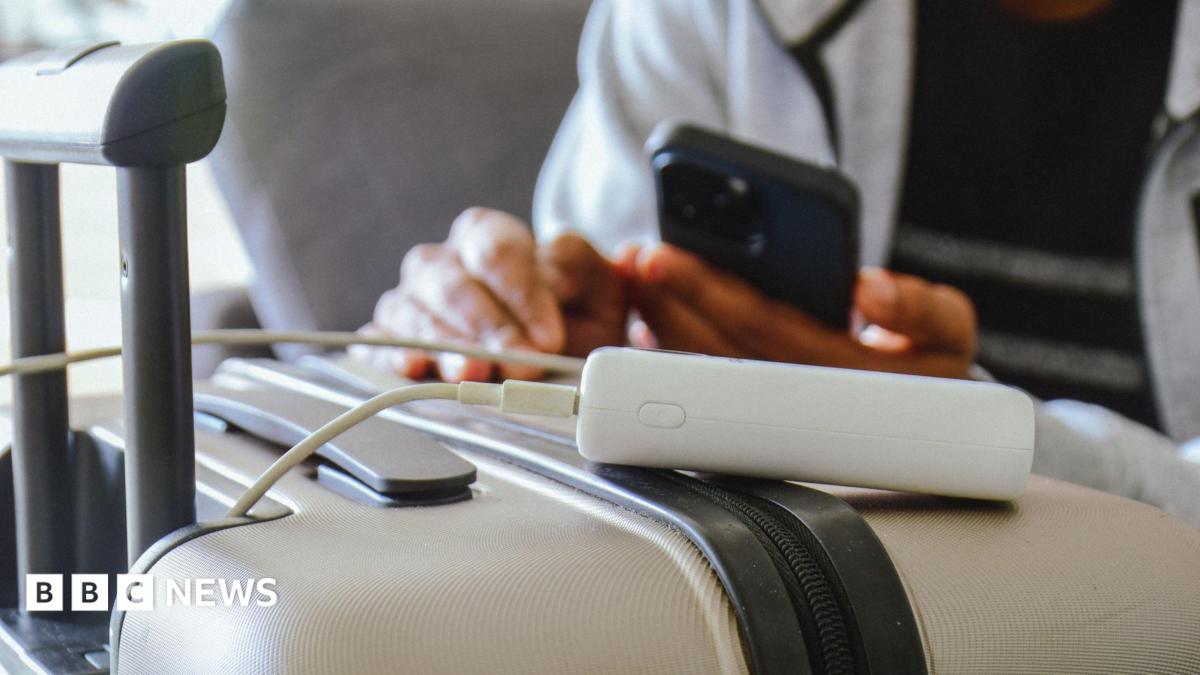
Air freight shippers and forwarders face increased scrutiny this summer as the UK Civil Aviation Authority (CAA) warns that lithium battery fires have become the number one safety risk to aircraft, with incidents involving devices packed in hold luggage nearly doubling year-on-year. According to the CAA, 643 incidents of devices with lithium batteries detected in hold bags were reported to UK authorities in 2025, up from 316 in 2024. Reports of devices overheating or malfunctioning also nearly doubled, from 123 to 206, with most occurring in the cabin where crew could intervene.
The Growing Challenge for Aviation
Tim Alderslade, Chief Executive of Airlines UK, described the risk of lithium battery incidents as a 'growing challenge' as the number of electronic devices passengers carry continues to increase. 'Whilst pilots and cabin crew are trained to deal with any situation, the best outcome is always prevention, which starts when passengers pack their bags,' he said. The CAA says around two lithium battery incidents now occur each week, and the average person takes four different lithium-powered devices on a flight.
What the Data Shows
| Metric | 2024 | 2025 | Change |
|---|---|---|---|
| Devices with lithium batteries detected in hold bags | 316 | 643 | +103% |
| Reports of devices overheating or malfunctioning | 123 | 206 | +67% |
Operational Impact: Flight Diversions and Delays
Beyond the fire risk, having to remove bags from the hold can cause delays, and planes can even be diverted. The BBC reported that last month an EasyJet flight had to divert to Rome because a power bank had been packed in the hold. In October 2025, video was widely shared of flames belching from the overhead storage compartment of an Air China flight, reportedly caused by a lithium battery. These events not only disrupt passenger travel but also delay air cargo shipments on those aircraft.
Key Rules for Compliance
The CAA is reminding passengers and shippers of the following rules, which also apply to cargo shipments containing lithium batteries:
- Take items like mobile phones, vapes, and power banks on board in the cabin — never in checked hold luggage.
- Only two power banks per person are allowed on a flight, and they can never be charged onboard.
- Turn off laptops completely if they are to be put in check-in bags.
Giuseppe Capanna, a product safety engineer at the campaigning charity Electrical Safety First, said lithium batteries carry enormous amounts of energy. 'When these products are packed in your baggage, there is no access to them. So if something goes wrong, they can cause a really devastating fire that can have real dangerous consequences,' he said. Capanna added that while most devices with these batteries are safe, it was 'substandard versions' bought through third-party sellers that usually cause problems. 'It is really important that we make sure that we only bring safe, tested products with us on holiday,' he said.
Implications for Air Cargo Shippers
For freight forwarders and logistics managers, the CAA's data reinforces the need for strict compliance with IATA Dangerous Goods Regulations (DGR) for lithium batteries. Shippers must ensure that all lithium battery shipments — whether in passenger baggage or as cargo — are properly declared, packaged, and limited in quantity. The summer peak season increases the volume of personal electronic devices carried by passengers, raising the probability of incidents that could lead to flight diversions, delays, and operational disruption for cargo. Carriers may tighten acceptance policies for lithium battery shipments during the summer months.
Watch List
- Increased enforcement by CAA and UK airport security during the school summer holiday period.
- Potential carrier-specific bans or tighter restrictions on power banks and vapes in checked baggage.
- Upcoming regulatory changes from ICAO or IATA regarding lithium battery carriage.
- Further incidents that could trigger emergency safety directives.
Sources: