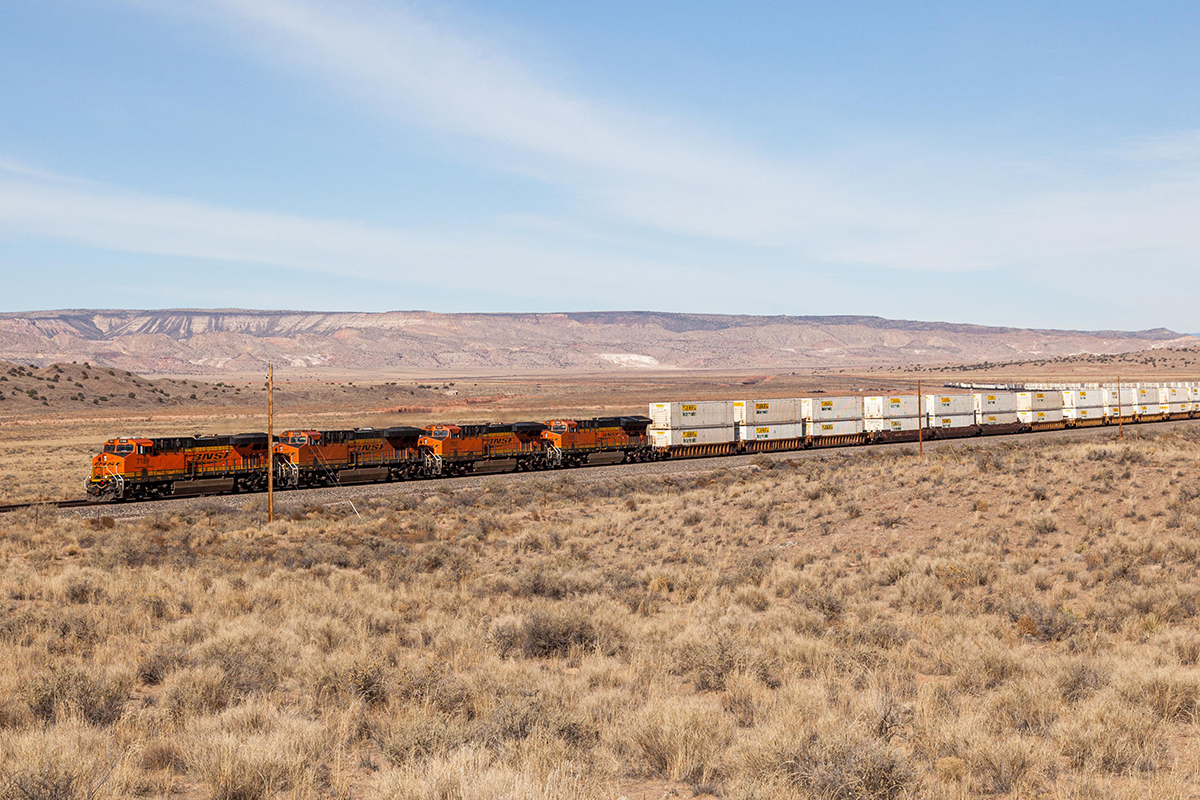
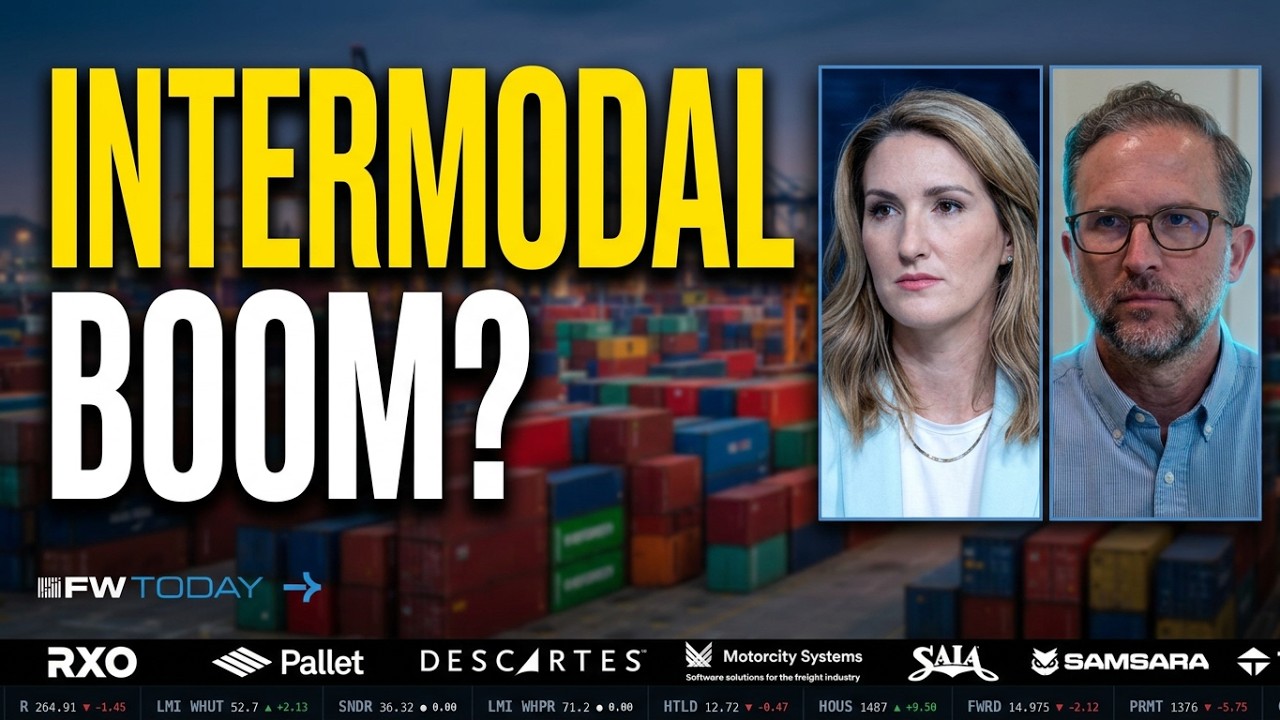
Shippers are bypassing cheaper intermodal rail options in favor of expedited trucking, driven by a need to protect production uptime in automotive supply chains, according to FreightWaves.
The Automotive Logistics Factor
Nicholas Shipe from Circle Logistics revealed critical shifts in automotive logistics and the factors influencing intermodal versus expedited freight decisions, FreightWaves reported. The analysis highlights that while intermodal rail offers cost advantages, shippers in the automotive sector are reluctant to switch modes.
Production Uptime Over Cost
According to FreightWaves, cost is not the only driver when manufacturers prioritize production uptime. The risk of delays or disruptions from intermodal rail—such as missed connections or longer transit times—can halt assembly lines, leading to losses that outweigh the savings from cheaper transportation. As a result, expedited trucking remains preferred despite higher rates.
America's Overlooked Energy Advantage
The article also notes a surprising truth about America's overlooked energy advantage that is shaping industrial supply chains. FreightWaves reported that this factor influences decisions on where to locate production and how to route freight, potentially favoring domestic trucking over rail intermodal in certain corridors.
Implications for Shippers and Operators
For logistics managers and freight forwarders, the modal shift dynamics observed in automotive logistics serve as a cautionary tale. While intermodal can reduce costs, the trade-off with reliability must be weighed carefully. Shippers should evaluate their own supply chains for criticality of uptime versus cost savings. Additionally, the energy advantage could alter lane economics over time, making domestic trucking even more competitive.
FreightWaves' coverage underscores that modal shift decisions are never purely based on rate benchmarks. Carriers and 3PLs must understand the operational context of each shipper, especially in time-sensitive industries like automotive. The brokerage community, including firms like Circle Logistics, plays a key role in navigating these complexities.
In practice, shippers may still use intermodal for less time-sensitive freight, but for high-value, just-in-time shipments, expedited trucking remains the default. The energy advantage may also shift capacity from rail to truck if fuel costs remain favorable for over-the-road operations.
Sources: