iGEN
Visit IGEN World Explore IGEN Expo
EXPLORE UPGRADE PLANS
BREAKING
UPS shift away from Amazon shows bigger payoff Lanesurf: 62% of Loads Get Vetted Carrier Offers Before Brokers Arrive India-China Border Trade Via Lipulekh Resumes Aug 1; China Permits 20 Traders Geopolitics Drives CMA CGM Q2 Profit Surge of 42% as Volumes and Rates Climb Benchmark Diesel Price Rises Third Week as Futures Plunge; Spread Hits Record Indian Government Limits Sugar Dealers to 400 Tonnes Stock Until November to Curb Hoarding Tenants signing longer leases for larger warehouses as 3PLs lock in capacity US stock market flat as S&P 500 and Dow barely move, Nasdaq slides over 1% on chip rout TruAlt Bioenergy Q1 Net Zooms to ₹59.27 Crore on Higher Revenues, Capacity Expansion India’s cotton sowing crosses 100 lakh hectares as monsoon picks up, area expands in key states UPS shift away from Amazon shows bigger payoff Lanesurf: 62% of Loads Get Vetted Carrier Offers Before Brokers Arrive India-China Border Trade Via Lipulekh Resumes Aug 1; China Permits 20 Traders Geopolitics Drives CMA CGM Q2 Profit Surge of 42% as Volumes and Rates Climb Benchmark Diesel Price Rises Third Week as Futures Plunge; Spread Hits Record Indian Government Limits Sugar Dealers to 400 Tonnes Stock Until November to Curb Hoarding Tenants signing longer leases for larger warehouses as 3PLs lock in capacity US stock market flat as S&P 500 and Dow barely move, Nasdaq slides over 1% on chip rout TruAlt Bioenergy Q1 Net Zooms to ₹59.27 Crore on Higher Revenues, Capacity Expansion India’s cotton sowing crosses 100 lakh hectares as monsoon picks up, area expands in key states
Home ›› Logistics ›› Shipping Freight ›› Shipping Lines ›› Namo Bharat RRTS: 160 kmph Semi-High Speed Trains Reshaping Commutes Across Delhi-NCR

Namo Bharat RRTS: 160 kmph Semi-High Speed Trains Reshaping Commutes Across Delhi-NCR

The Regional Rapid Transit System (RRTS), operated by NCRTC, is connecting Delhi to satellite cities like Meerut at speeds up to 160 kmph. The 80 km Delhi-Meerut corridor now carries about 1 lakh passengers daily, with cumulative ridership crossing 3.5 crore. Multimodal integration with metro, buses, and railway stations is driving a demographic shift as professionals and students relocate from Delhi while retaining capital-based employment.

iG
iGEN Editorial
July 11, 2026
Namo Bharat RRTS: 160 kmph Semi-High Speed Trains Reshaping Commutes Across Delhi-NCR

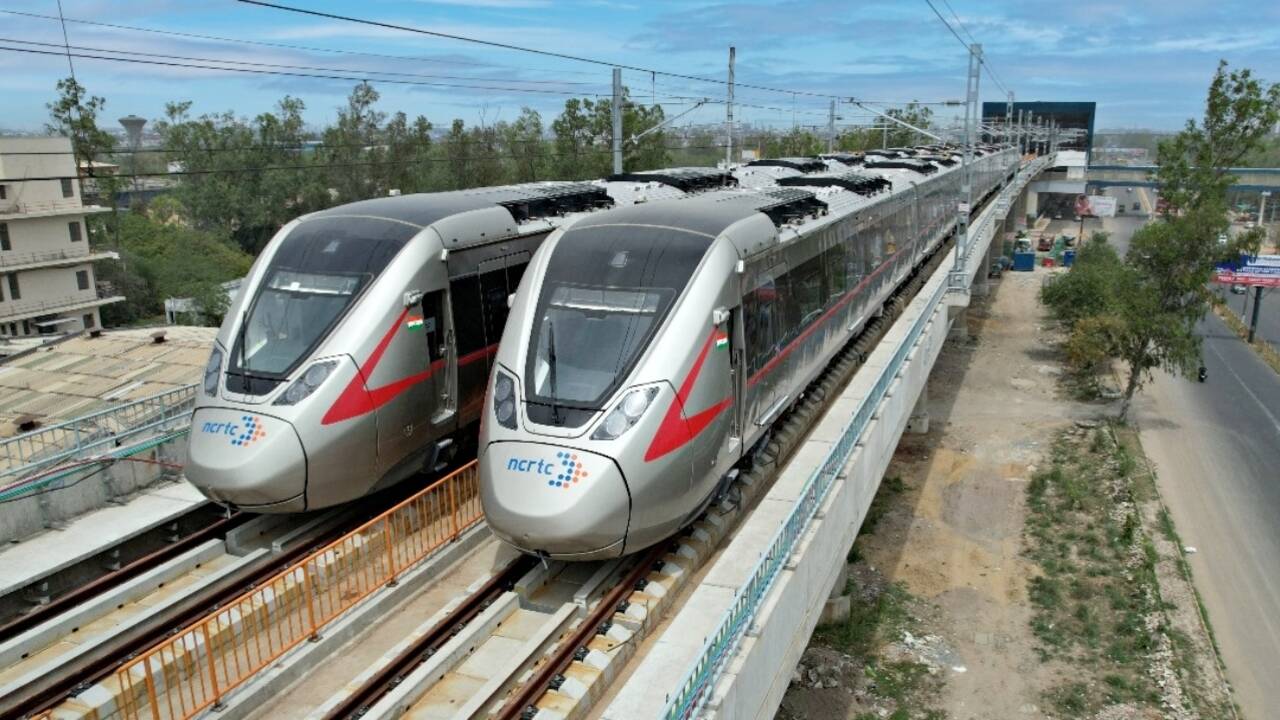
A new generation of semi-high speed trains running at 160 kmph is reducing travel times and reshaping urban demographics across Delhi-NCR, with implications for logistics corridor development and labor mobility. The Regional Rapid Transit System (RRTS), executed by the National Capital Region Transport Corporation (NCRTC), is already operational on the Delhi-Meerut corridor, cutting journey times to under an hour and spurring a relocation trend among professionals and students.

Why this matters: The RRTS is designed to decongest the national capital by linking cities within a 150 km radius with average speeds of around 90 kmph. The project is funded jointly by the central government, participating states and union territories, and development institutions. Unlike traditional rail projects, the RRTS emphasizes multimodal connectivity — stations at Sarai Kale Khan, New Ashok Nagar, Anand Vihar, and Ghaziabad integrate with Indian Railways, metro systems, ISBTs, and city bus services, according to the NCRTC.

Operational impact: The 80 km Delhi-Meerut corridor began full operations in February 2026. Since then, ridership has increased steadily. As per Shalabh Goel, Managing Director of NCRTC, the corridor now handles approximately 1 lakh passengers per day, with cumulative ridership crossing 3.5 crore passenger journeys. The maximum operational speed is 160 kmph, providing a seamless alternative to road travel for daily commutes.

Key corridor data

Corridor Length Max speed Travel time (Delhi-Meerut) Daily ridership Cumulative ridership
Delhi-Meerut 80 km 160 kmph < 1 hour ~1 lakh 3.5 crore

Demographic shift: Goel notes that one of the most encouraging trends is the relocation of professionals and students from Delhi to their native cities across NCR while maintaining capital-based employment or continuing studies in Delhi. This shift offers affordable housing, more family time, and improved quality of life — factors that could reshape warehouse and logistics hub locations as labor pools decentralize.

Future corridors: Several additional RRTS routes are in the planning stage. The Delhi–Panipat–Karnal corridor is among three prioritized corridors. Plans indicate that the stretch from Kashmere Gate in Delhi to Murthal will take just 30 minutes, further expanding the commutable zone.

Shipper/operator implications: For logistics managers, the RRTS network enhances the attractiveness of satellite cities as distribution center locations, potentially easing trucking congestion on Delhi’s arterial roads. The multimodal integration also suggests opportunities for freight-to-passenger intermodal transfers at integrated stations, though dedicated freight RRTS are not yet planned.

Watch list

  • Approval and funding for the Delhi–Panipat–Karnal corridor and other planned routes.
  • Ridership growth on the Delhi-Meerut corridor, which may trigger additional service frequency.
  • Integration of RRTS stations with freight logistics parks and cold chain facilities.
  • Potential extension of speed to 180 kmph or higher in future phases.

Sources: Business-Today
Keep Reading

Recommended Stories

India's Bullet Train Project Nears Reality After Nine Years Logistics

India's Bullet Train Project Nears Reality After Nine Years

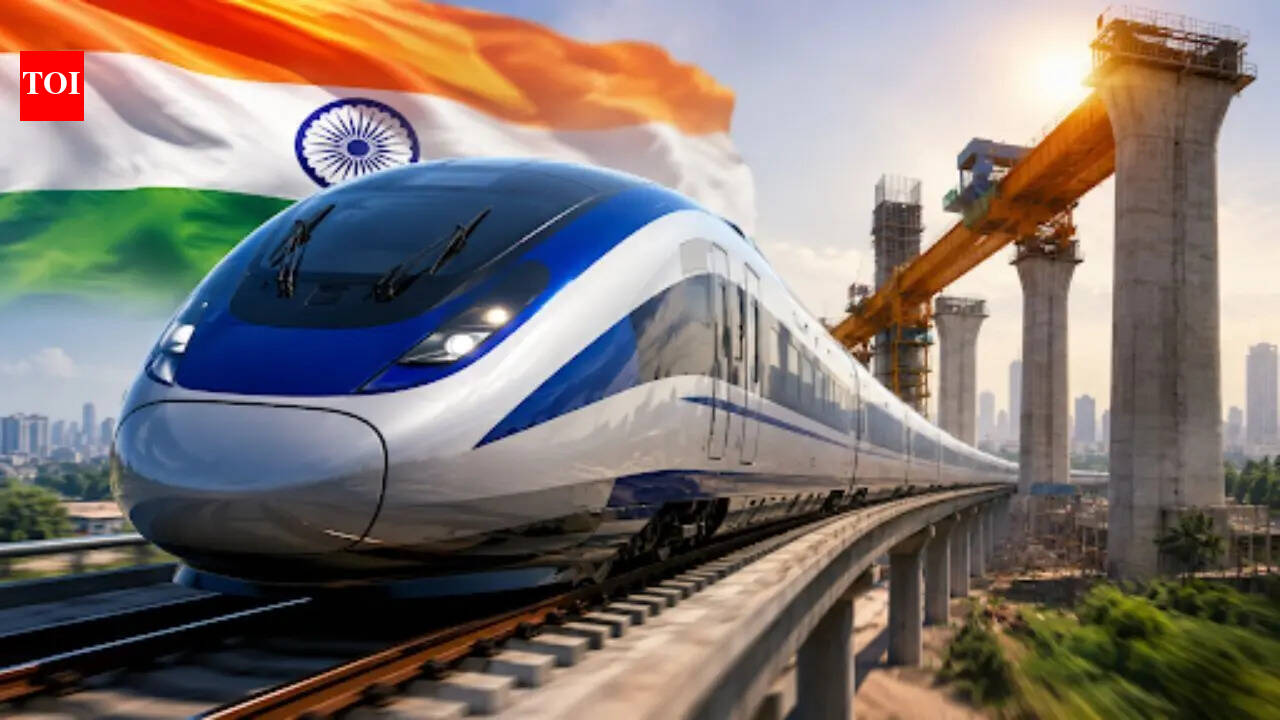
India's Mumbai-Ahmedabad bullet train project is advancing with significant infrastructure developments. Despite delays, the project is entering a critical phase with visible progress.

June 1, 2026
India's First Undersea Rail Tunnel Advances with Giant TBM Launch under Thane Creek Logistics

India's First Undersea Rail Tunnel Advances with Giant TBM Launch under Thane Creek

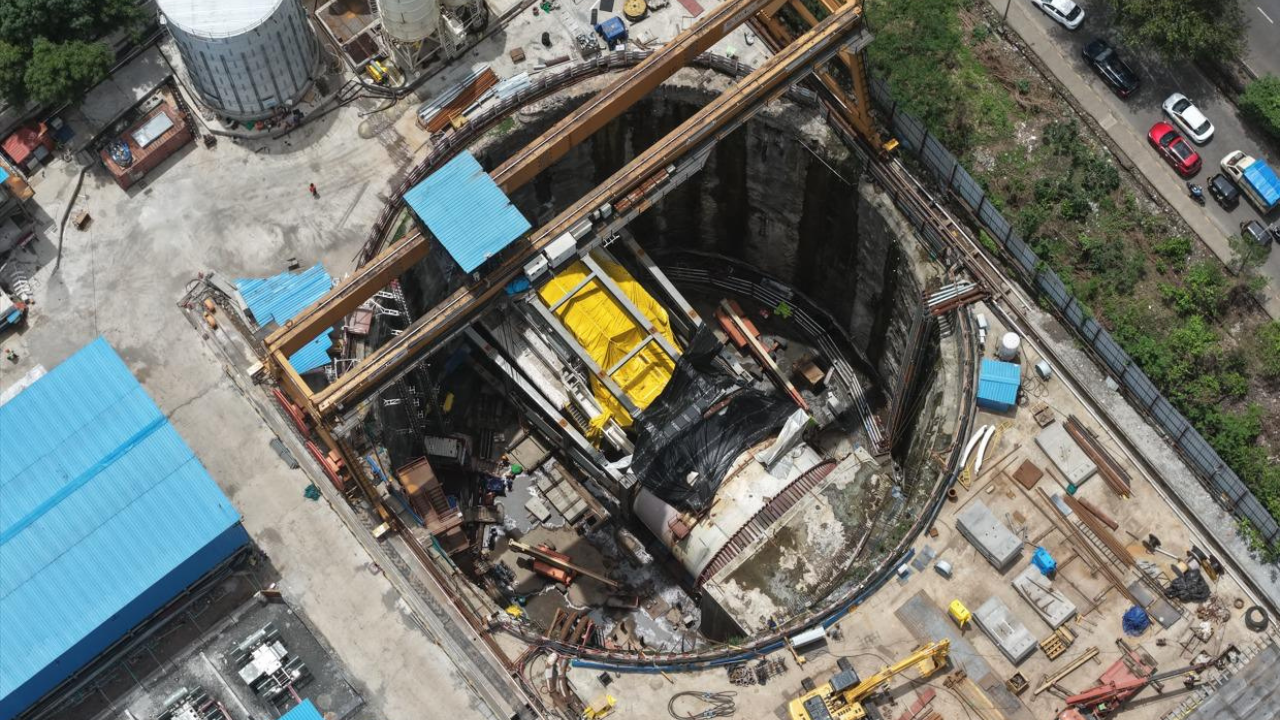
The Mumbai–Ahmedabad Bullet Train Project reached a milestone with the launch of a second Tunnel Boring Machine (TBM) to excavate India's first undersea rail tunnel under Thane Creek. The 7-km undersea stretch is part of a 21-km underground tunnel, with the new TBM starting from Sawli (Ghansoli) towards Vikhroli. The project promises faster connectivity and reduced surface disruption in the Mumbai suburban section.

July 18, 2026
India Launches First Hydrogen Train: World's Longest, Most Powerful Passenger Hydrogen Trainset Logistics

India Launches First Hydrogen Train: World's Longest, Most Powerful Passenger Hydrogen Trainset

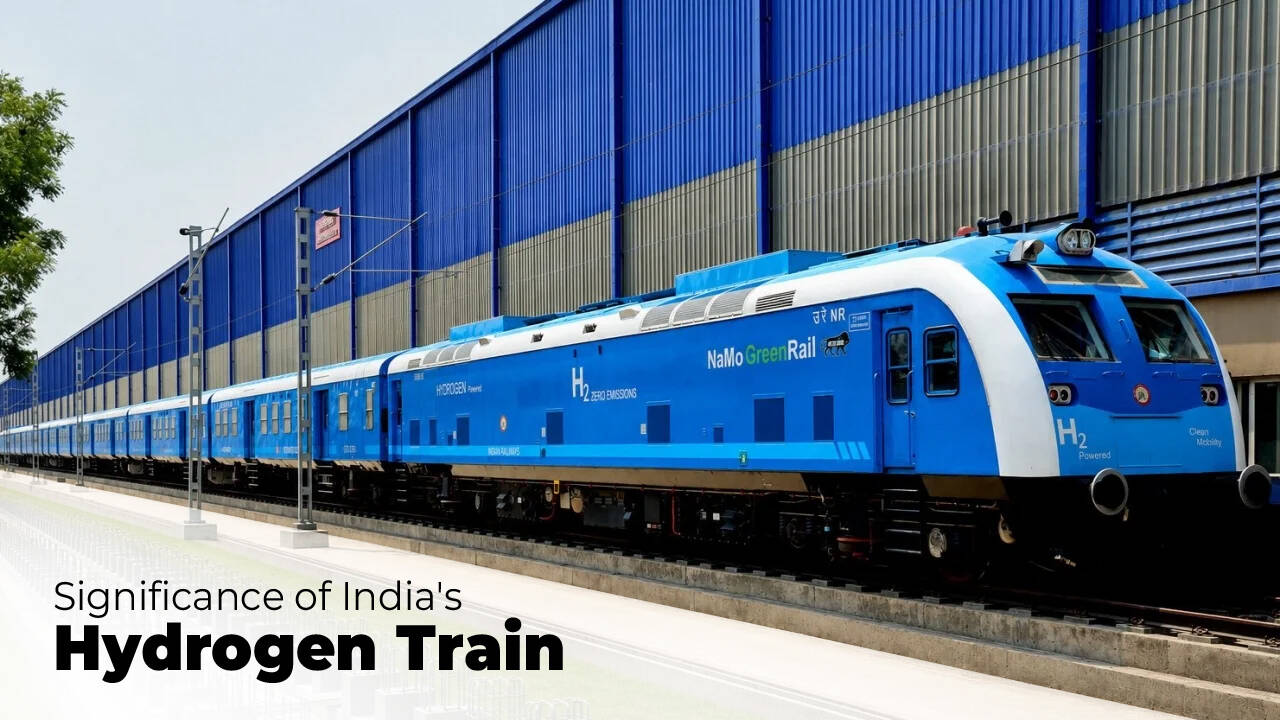
Prime Minister Narendra Modi flagged off India's first hydrogen-powered train on July 17. The 10-coach train, running between Jind and Sonipat in Haryana, is the longest hydrogen passenger train in the world and one of the most powerful, with a 3,200 HP propulsion system. The train uses hydrogen fuel cell technology, producing only water vapour as emission. Designed and manufactured in India by RDSO, ICF, and Medha, the launch signals India's entry into the small group of countries operating hydrogen trains, with implications for future freight decarbonization.

July 17, 2026
Two Varanasi Highway Projects Worth Rs 25,446 Crore Approved to Boost Logistics and Connectivity Logistics

Two Varanasi Highway Projects Worth Rs 25,446 Crore Approved to Boost Logistics and Connectivity

The Cabinet Committee on Economic Affairs approved two highway projects in Varanasi totaling Rs 25,446 crore. The Varuna Expressway and Ganga riverbank corridor will significantly cut travel times, decongest the city, and improve multimodal connectivity to key logistics hubs including Ramnagar Port and Lal Bahadur Shastri International Airport.

July 15, 2026