iGEN
Visit IGEN World Explore IGEN Expo
EXPLORE UPGRADE PLANS
BREAKING
CMA CGM and Stonepeak Launch United Ports LLC in $2.4 Billion Terminal Joint Venture UPS shift away from Amazon shows bigger payoff Lanesurf: 62% of Loads Get Vetted Carrier Offers Before Brokers Arrive India-China Border Trade Via Lipulekh Resumes Aug 1; China Permits 20 Traders Geopolitics Drives CMA CGM Q2 Profit Surge of 42% as Volumes and Rates Climb Benchmark Diesel Price Rises Third Week as Futures Plunge; Spread Hits Record Indian Government Limits Sugar Dealers to 400 Tonnes Stock Until November to Curb Hoarding Tenants signing longer leases for larger warehouses as 3PLs lock in capacity US stock market flat as S&P 500 and Dow barely move, Nasdaq slides over 1% on chip rout TruAlt Bioenergy Q1 Net Zooms to ₹59.27 Crore on Higher Revenues, Capacity Expansion CMA CGM and Stonepeak Launch United Ports LLC in $2.4 Billion Terminal Joint Venture UPS shift away from Amazon shows bigger payoff Lanesurf: 62% of Loads Get Vetted Carrier Offers Before Brokers Arrive India-China Border Trade Via Lipulekh Resumes Aug 1; China Permits 20 Traders Geopolitics Drives CMA CGM Q2 Profit Surge of 42% as Volumes and Rates Climb Benchmark Diesel Price Rises Third Week as Futures Plunge; Spread Hits Record Indian Government Limits Sugar Dealers to 400 Tonnes Stock Until November to Curb Hoarding Tenants signing longer leases for larger warehouses as 3PLs lock in capacity US stock market flat as S&P 500 and Dow barely move, Nasdaq slides over 1% on chip rout TruAlt Bioenergy Q1 Net Zooms to ₹59.27 Crore on Higher Revenues, Capacity Expansion
Home ›› Logistics ›› Shipping Freight ›› Shipping Lines ›› India Launches First Hydrogen Train: World's Longest, Most Powerful Passenger Hydrogen Trainset

India Launches First Hydrogen Train: World's Longest, Most Powerful Passenger Hydrogen Trainset

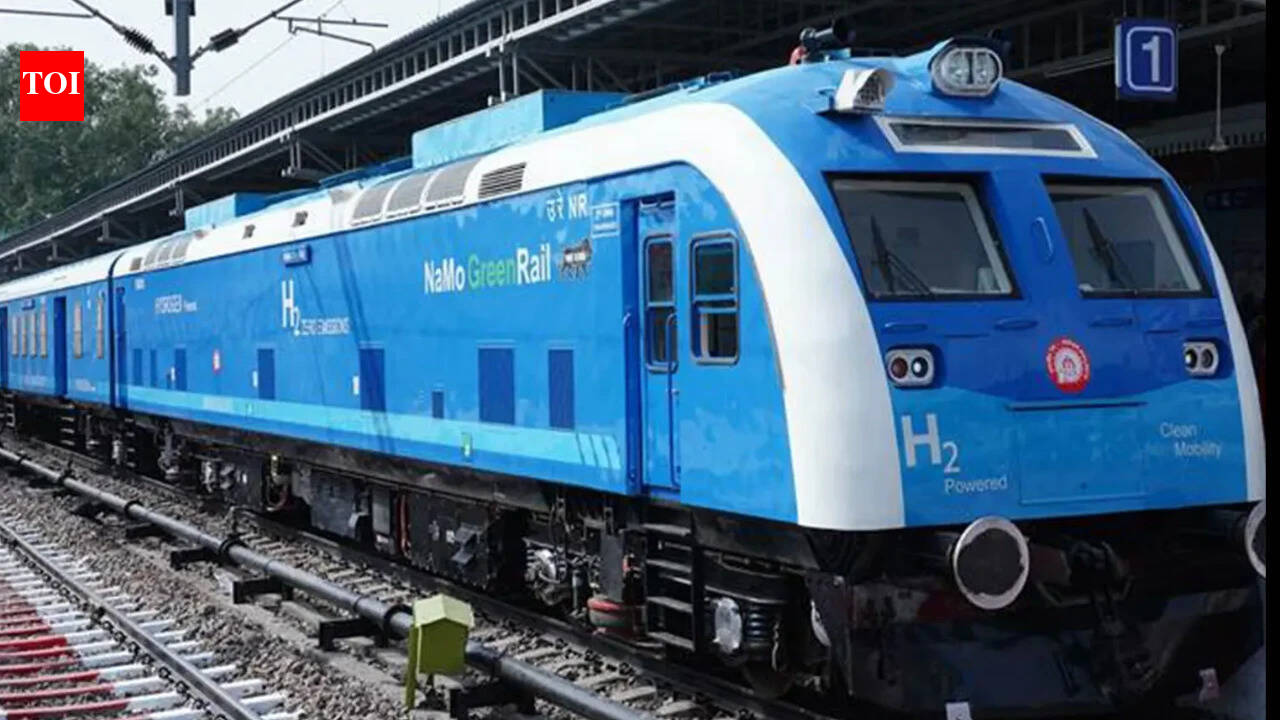
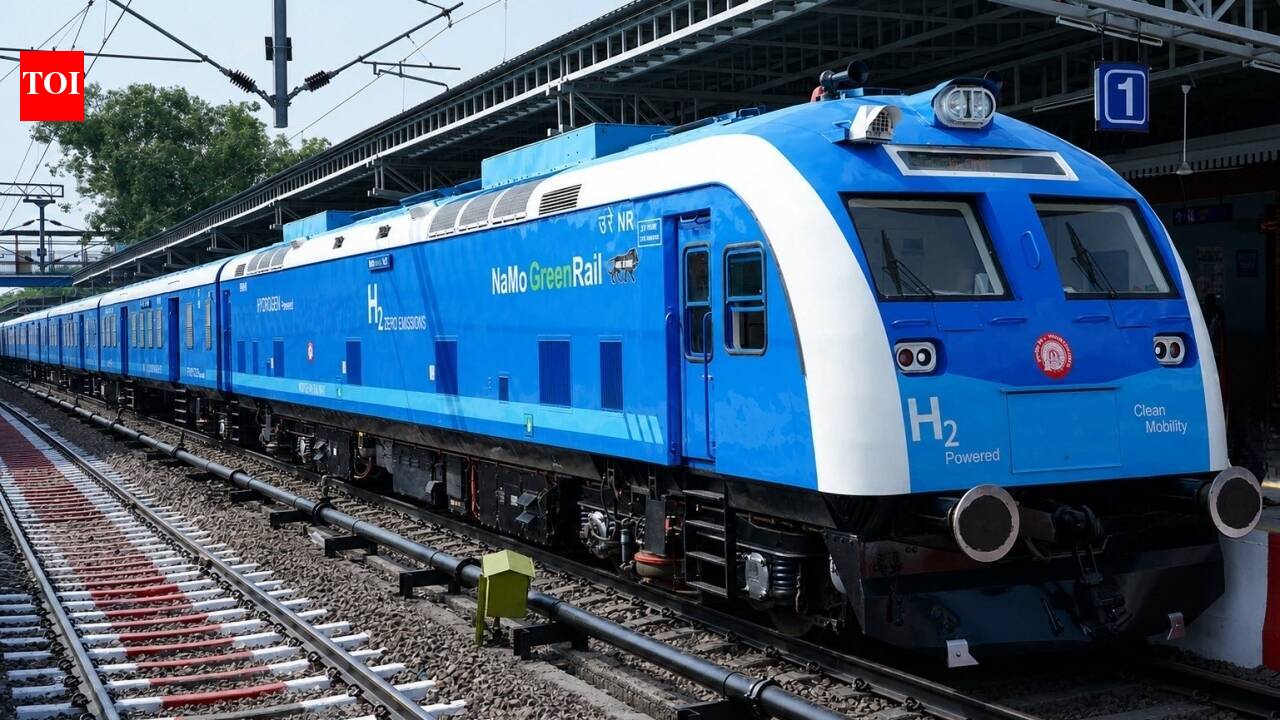
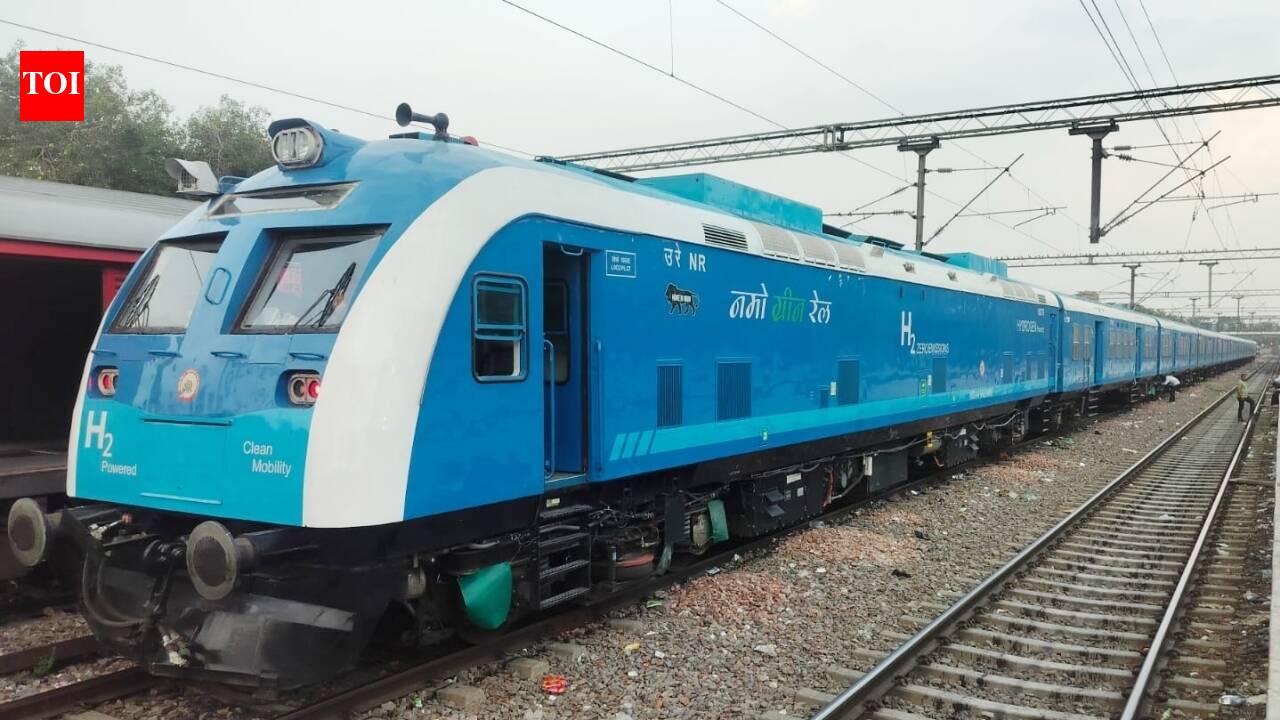
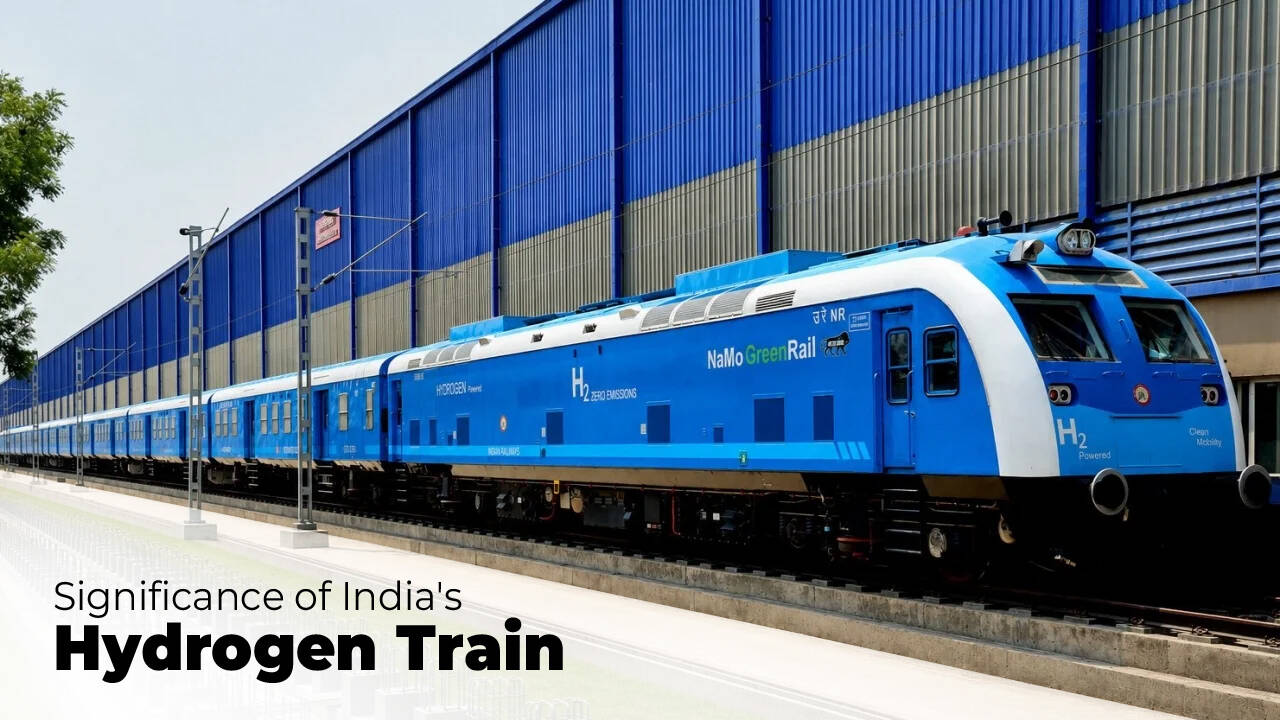
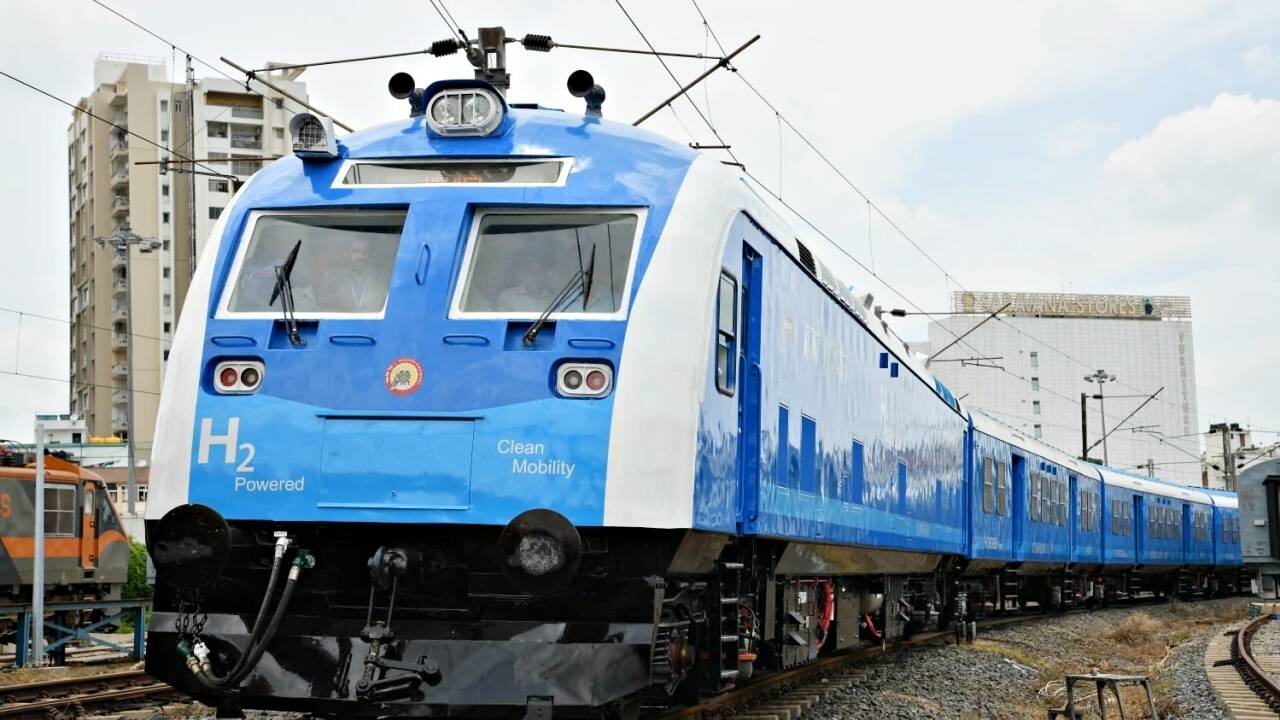
Prime Minister Narendra Modi flagged off India's first hydrogen-powered train on July 17. The 10-coach train, running between Jind and Sonipat in Haryana, is the longest hydrogen passenger train in the world and one of the most powerful, with a 3,200 HP propulsion system. The train uses hydrogen fuel cell technology, producing only water vapour as emission. Designed and manufactured in India by RDSO, ICF, and Medha, the launch signals India's entry into the small group of countries operating hydrogen trains, with implications for future freight decarbonization.

iG
iGEN Editorial
July 17, 2026
India Launches First Hydrogen Train: World's Longest, Most Powerful Passenger Hydrogen Trainset

Prime Minister Narendra Modi on Friday flagged off India's first hydrogen-powered train, making India one of the few countries operating hydrogen passenger trains. The 10-coach train, which can carry 2,600 passengers, will run between Jind and Sonipat in Haryana at a maximum operational speed of 75 kmph — designed for 110 kmph. This launch is a significant step in India's transition to cleaner rail transport, with the country's rail network already 99% electrified and hydrogen trains targeting remote, non-electrified routes.

How the hydrogen train works

The train is powered by hydrogen fuel cell technology. It combines hydrogen stored in onboard cylinders with oxygen from the air inside a Proton Exchange Membrane (PEM) fuel cell to produce electricity, powering the traction motors without combustion. The only by-product is water vapour. The train is equipped with two hydrogen driving power cars, each producing 1,200 kW of power, supported by lithium iron phosphate batteries and hydrogen storage cylinders.

Refueling and ecosystem

Indian Railways has set up India's first integrated hydrogen railway ecosystem at Jind, including facilities for hydrogen production through electrolysis, storage, compression, and refuelling — all at the same plant.

Designed and built in India

The train has been designed, engineered, and integrated in India by RDSO, ICF, and Medha. It is the longest hydrogen passenger train in the world (10 coaches versus the global standard of 2-3 coaches), and one of the most powerful with a 3,200 HP propulsion system.

Global context and challenges

Germany remains the pioneer in hydrogen train commercial passenger operations, according to the source. China has operational deployments, France and Italy are rolling out services, while Japan, the US, UK, and South Korea are largely at pilot or demonstration stages. Pranav Master noted that the biggest lesson from Germany's success is that "success depends on the ecosystem, not just the train." He added: "Germany showed the importance of reliable hydrogen supply and maintenance infrastructure. China demonstrated the value of domestic manufacturing, while Japan highlighted the need for rigorous safety standards and gradual scaling."

Comparison: India vs. Global Hydrogen Trains

Feature India's Hydrogen Train Typical Global Hydrogen Trains
Number of coaches 10 2-3
Propulsion power 3,200 HP Varies
Fuel cell power 2 x 1,200 kW Lower range
Route Jind–Sonipat, Haryana Various short-distance routes

Implications for freight and logistics

While the initial deployment is for passenger service, the technology and infrastructure developed could eventually be adapted for freight locomotives, offering logistics operators a pathway to decarbonise rail transport. The hydrogen ecosystem at Jind — integrating production, storage, and refuelling — provides a model for future freight corridors. However, the economic viability of hydrogen trains is not possible unless part of a broader hydrogen economy ecosystem not limited to railways alone, as the source notes.

Watch list

  • Scaling of hydrogen production and refuelling infrastructure beyond Jind
  • Potential adaptation of hydrogen fuel cell technology for freight locomotives
  • Government policies and investments in the broader hydrogen economy
  • International developments in hydrogen train technology, especially in Germany, China, and Japan

Sources: Business-Today
Keep Reading

Recommended Stories

India's First Hydrogen Train Flagged Off by PM Modi on Jind-Sonipat Route Logistics

India's First Hydrogen Train Flagged Off by PM Modi on Jind-Sonipat Route

Prime Minister Narendra Modi flagged off India's first hydrogen-powered train at Jind railway station in Haryana. The 10-coach train will operate on the Jind-Sonipat route, using hydrogen fuel cell technology to generate electricity onboard. This pilot project is part of Indian Railways' shift towards greener mobility and could provide insights for remote and heritage routes where electrification is not feasible.

July 17, 2026
India's First Hydrogen-Powered Train Completes 1,200 km Trials, Saves 3,200 Litres Diesel Logistics

India's First Hydrogen-Powered Train Completes 1,200 km Trials, Saves 3,200 Litres Diesel

India's first hydrogen-powered train has completed over 1,200 km of trial runs between Jind and Sonipat, saving 3,200 litres of diesel. The train uses hydrogen fuel cells to generate electricity, emitting only water vapour. Indian Railways plans to begin trials on the Delhi route next.

July 26, 2026
India Flags Off First Hydrogen-Powered Train on Jind-Sonipat Route, Signaling Green Rail Shift Logistics

India Flags Off First Hydrogen-Powered Train on Jind-Sonipat Route, Signaling Green Rail Shift

India’s first hydrogen-powered passenger train will be flagged off by Prime Minister Narendra Modi on July 17. The train, designed for speeds up to 110 km/h, will run on the 89-km Jind-Sonipat route in Haryana. It uses hydrogen fuel cells to generate electricity with only water vapour as emission, marking a milestone for Indian Railways in green mobility.

July 16, 2026
India’s first hydrogen-powered train notified: Jind-Sonipat route, July 17 launch Logistics

India’s first hydrogen-powered train notified: Jind-Sonipat route, July 17 launch

Indian Railways has notified its first hydrogen-powered train, a 10-coach trainset for the Jind-Sonipat section under Northern Railway. The train will be flagged off by PM Narendra Modi on July 17 and features a 1,200 KW hydrogen fuel cell propulsion system with a maximum speed of 75 km/h. The project includes indigenous hydrogen storage and refuelling infrastructure at Jind, with PESO licensing and safety measures such as leak detectors.

July 10, 2026