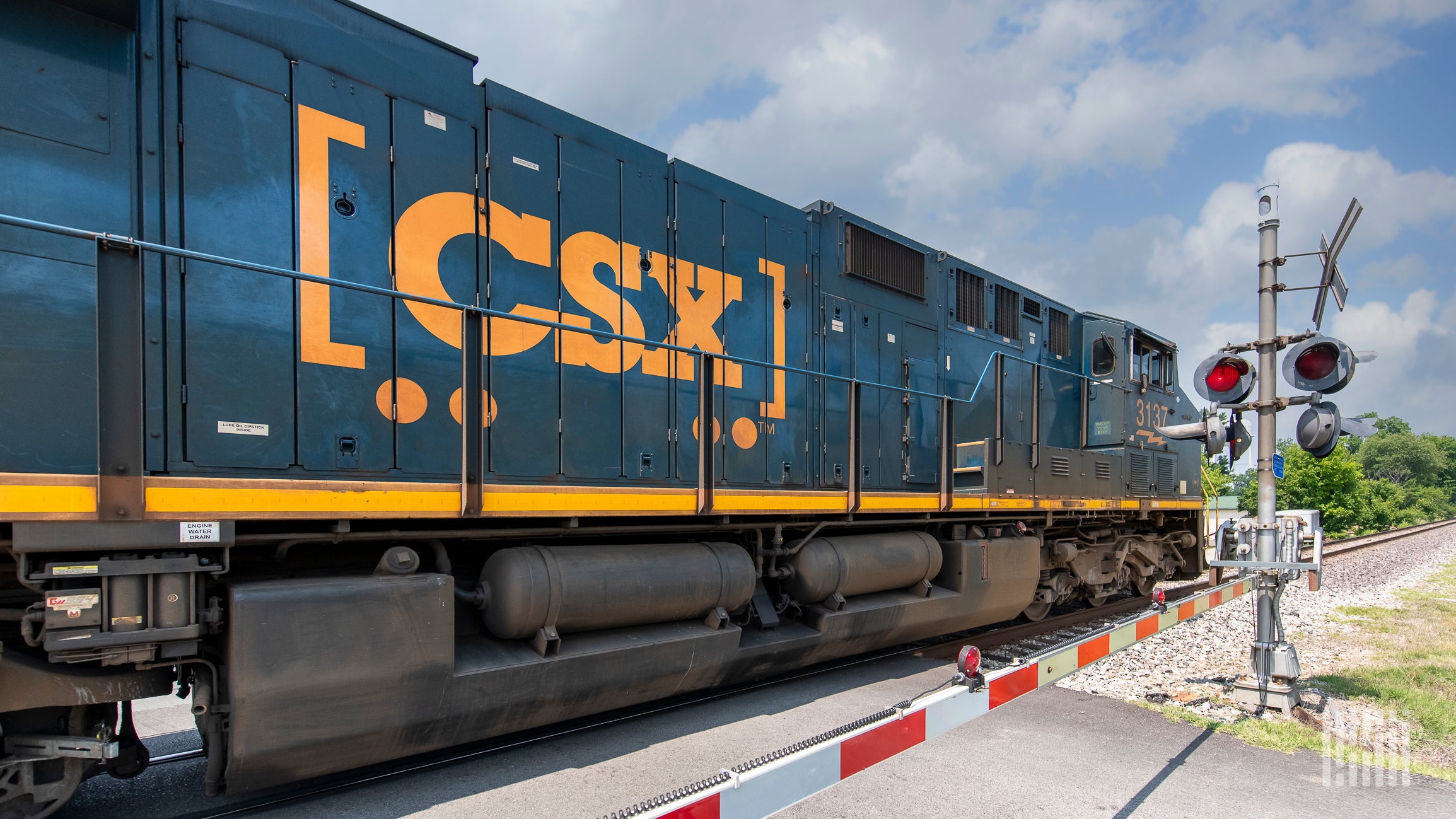
Three tractor-trailers were destroyed by CSX freight trains in metro Atlanta over a five-day period, prompting urgent safety warnings for truck drivers and logistics operators. The collisions, which each resulted in fires and significant rail and road disruptions, underscore the lethal risk of trucks becoming trapped on railroad crossings — a scenario that accounts for many fatal grade crossing accidents nationwide.
The Three Incidents
According to FreightWaves, the first crash occurred on the afternoon of June 25 in Fairburn, a logistics hub south of Atlanta. A CSX train struck a tractor-trailer at the Highway 29 crossing near Bishop Road. Fairburn Police Chief Anthony Bazydlo said the truck had become stuck on the tracks and the driver barely escaped before the train hit, sparking a fire. Two train crew members were aboard; one suffered minor injuries.
The second incident happened the following morning, June 26, just before 3:45 a.m. at the Lee Street crossing in southwest Atlanta. A southbound CSX train hit a tractor-trailer and dragged it hundreds of feet before stopping. The truck was destroyed and caught fire, with hundreds of packages scattered across the tracks. The collision occurred beneath MARTA infrastructure, forcing the transit agency to shut down rail service between West End and Oakland City stations and run a bus bridge during the morning commute. The truck driver initially fled the scene in shock, later turning himself in to investigators.
The third crash occurred on the morning of June 30, just after 3 a.m., near Boulder Park Road and Nathan Road in southwest Atlanta. Another CSX train struck a tractor-trailer; no injuries were reported. Investigators in all three cases said the trucks ended up on the tracks as a train approached, but the exact reasons remain under investigation.
| Incident | Date | Time | Location | Key Details |
|---|---|---|---|---|
| 1 | June 25 | Afternoon | Fairburn (Highway 29 & Bishop Rd) | Driver escaped, fire, minor train crew injury |
| 2 | June 26 | 3:45 a.m. | Southwest Atlanta (Lee St crossing) | Truck dragged, fire, MARTA shutdown, driver fled then surrendered |
| 3 | June 30 | After 3 a.m. | Southwest Atlanta (Boulder Park Rd & Nathan Rd) | No injuries, under investigation |
Why Trucks Get Stuck on Crossings
A loaded freight train can require more than a mile to stop from track speed, according to FreightWaves. By the time a locomotive engineer sees a truck on the crossing, there is virtually nothing they can do — the physics have already decided the outcome. The only variable is whether the truck clears the tracks in time, a decision made before the train appears.
Trucks are especially vulnerable at grade crossings due to their long wheelbase and low ground clearance. A humped or uneven crossing can high-center a trailer, grounding the undercarriage on the raised track bed while wheels lose grip. Trucks entering crossings when traffic ahead is moving can become boxed in when congestion stops. Tight crossing geometry, sharp approach angles, or a crossing close to an intersection can also leave long vehicles straddling the rails with no escape.
Implications for Logistics Operations
These incidents are a stark reminder for fleet managers and owner-operators that grade crossing safety must be a priority. Drivers should be trained to never enter a crossing unless they are certain they can clear it completely without stopping. Route planning should identify crossings with known geometry issues or heavy traffic that could leave a truck stranded. Where possible, alternatives such as underpasses or overpasses should be used.
Operationally, the collisions caused significant delays: the Lee Street crash shut down both rail and transit lines, disrupting freight and commuter traffic. For logistics companies moving goods through the Atlanta area, even a brief rail outage can cascade into late deliveries and missed windows. The fires also destroyed cargo, as evidenced by the hundreds of packages scattered on the tracks in the second incident.
Logistics managers should review their drivers' crossing procedures and consider investing in technology such as crossing alert systems or route optimization software that flags hazardous crossings. Regular safety briefings on the risks of high-centering and traffic box-ins are essential.
Watch List
These three crashes in five days will likely draw increased scrutiny from rail operators and regulators on grade crossing safety in the Atlanta metro area. CSX may implement temporary speed restrictions or additional warning signage at high-risk crossings. Drivers and fleet operators should monitor any new safety advisories from CSX or local authorities and adjust routes accordingly. Additionally, the coming months may see a push for infrastructure improvements at the specific crossings involved.
Sources: