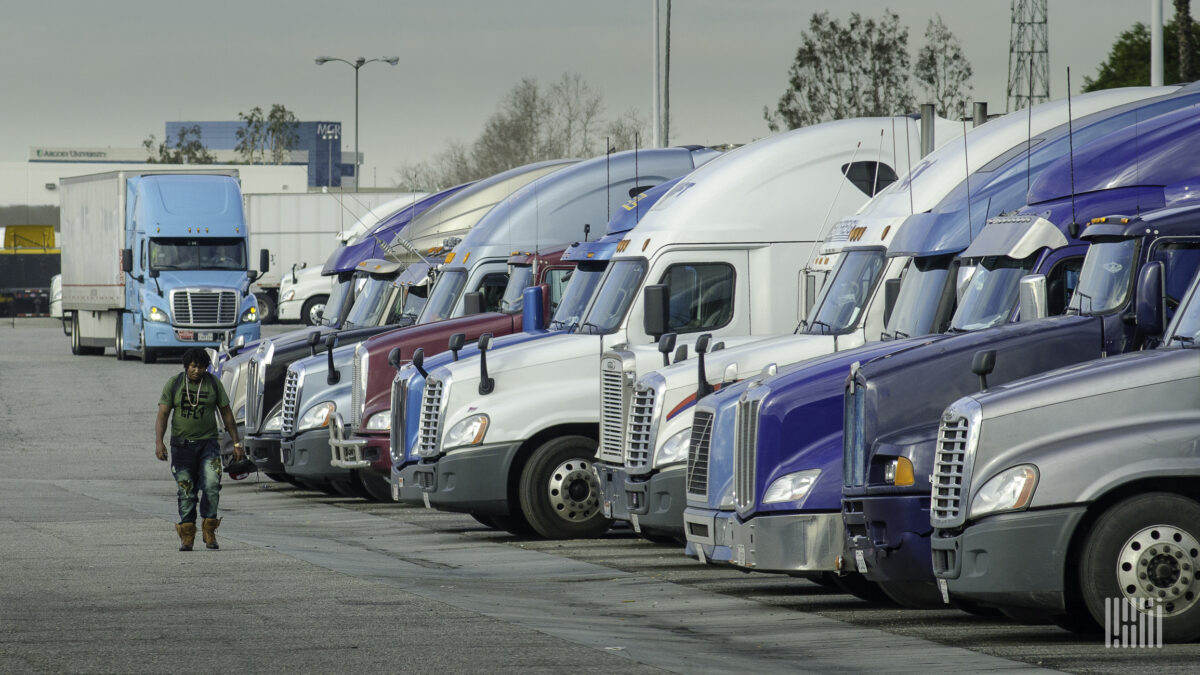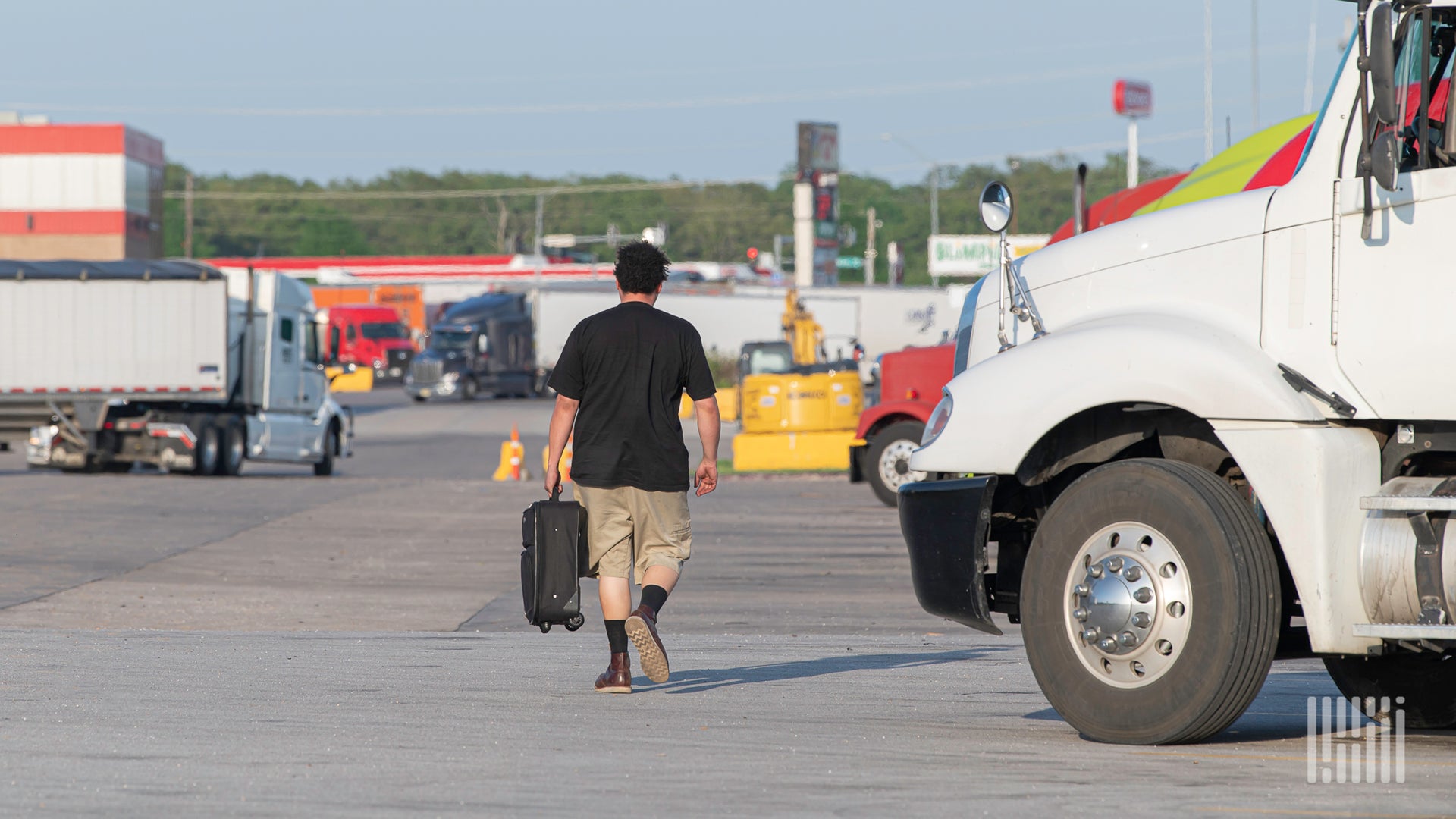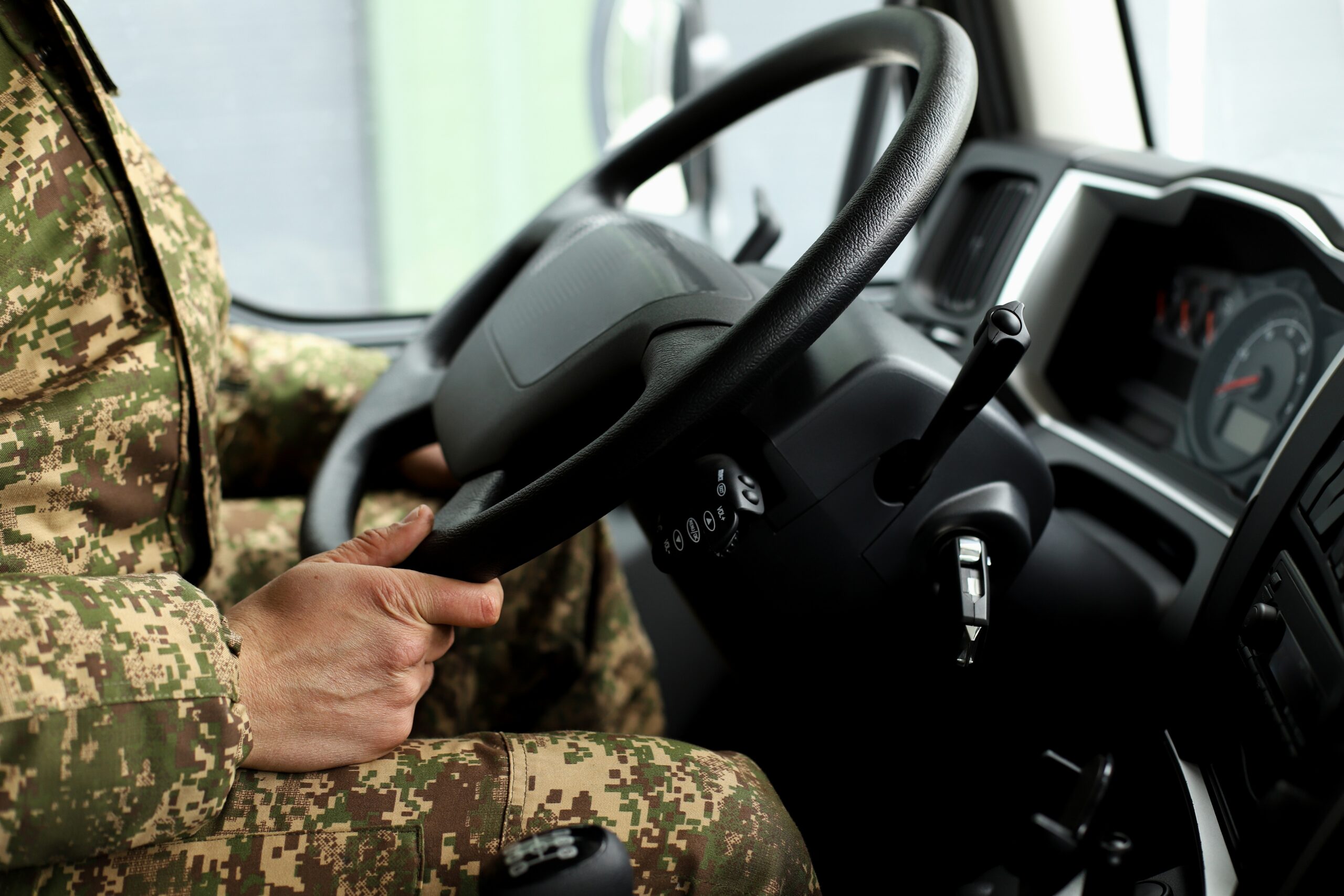
President Trump's pledge to automatically grant commercial driver's licenses (CDLs) to veterans with heavy truck driving experience mirrors an existing federal program that has already helped more than 40,000 veterans, according to FreightWaves. The remarks, made Wednesday at a military investment event in Carlisle, Pennsylvania, drew immediate comparisons to the Federal Motor Carrier Safety Administration's (FMCSA) Military Skills Test Waiver Program, which dates back to 2011.
Existing Program Details
Under the Military Skills Test Waiver Program, State Driver Licensing Agencies (SDLAs) can substitute two years of safe operation of military trucks or buses equivalent to civilian commercial vehicles for the skills test portion of the CDL test, according to FMCSA's webpage. To qualify, a military driver must have been behind the wheel within the prior 12 months. In its latest update on June 30, FMCSA reported that over 40,000 military veterans have used the program to obtain their CDL.
| Program Feature | Description |
|---|---|
| Military Skills Test Waiver | Substitutes 2 years military driving experience for CDL skills test |
| Even Exchange Program | Waives the knowledge test; combined with skills waiver gives direct CDL pathway |
| Safe Driver Apprenticeship Pilot | Allows military drivers aged 18–20 with intrastate CDL to operate interstate |
| CMV Operator Safety Training Grant | Provides funding to educational institutions to train former military members |
Industry Perspective
Lewie Pugh, executive vice president of the Owner Operator Independent Drivers Association (OOIDA), noted that leveraging military experience into a CDL extends beyond the 2011 program. Pugh himself obtained his CDL through military service in 1994. However, he stressed that “real world trucking is different than military world trucking” and that “we still need to make sure that they’re getting some kind of training.” OOIDA is a proponent of stricter training requirements.
Implications for Shippers and Carriers
For freight forwarders and logistics managers, the existence of these programs means the pipeline of veteran truck drivers is already active, with over 40,000 participants. The Trump administration's focus may amplify awareness and possibly accelerate processing, though no new rule has been announced. Carriers should review FMCSA's existing Military Skills Waiver Program and related options (Even Exchange, Safe Driver Apprenticeship, CMV Operator Safety Training Grant) to recruit from the veteran pool. The FMCSA page on the program lists multiple pathways beyond the waiver.
Context of Trump's Remarks
Trump's comments came in the context of criticizing illegal immigrant drivers, referencing the recent death of Pennsylvania State Trooper Michael Pahira. Pahira was struck and killed by a truck driven by Michael Bon, described by the Department of Homeland Security as an illegal alien from Haiti, while inspecting a commercial vehicle on Interstate 81 in Schuykill County. Trump stated, “My administration will soon take historic action to get illegal alien truck drivers who are just killing a lot of people (off the road).” Among steps taken, new rules on non-domiciled CDL holders went into effect in March, limiting eligibility to three categories of nonimmigrant status holders.
Watch List
- Further details from the White House on any proposed executive actions regarding automatic CDLs for veterans
- FMCSA updates to existing waiver programs or new rulemakings
- Industry feedback from groups like OOIDA on training requirements for military-to-civilian drivers
- Impact of non-domiciled CDL rule changes on carrier hiring practices
For logistics operators, the key takeaway is that the infrastructure for military-to-CDL conversion is already in place. Any new policy is unlikely to radically alter the current landscape, but could increase the volume of veterans entering the trucking workforce, potentially easing driver shortages on certain lanes.
Sources: