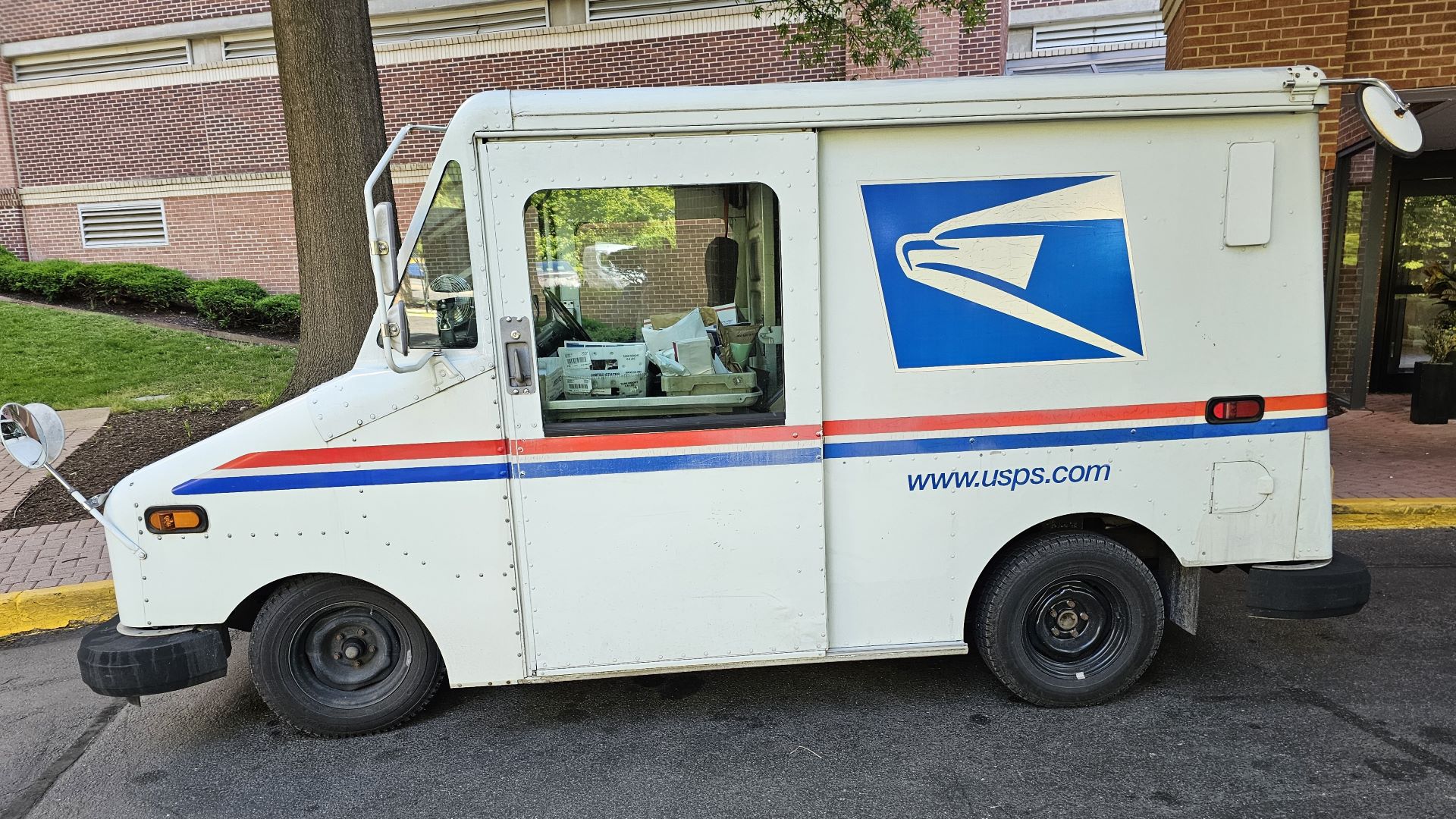
The U.S. Postal Service (USPS) has averted an immediate cash crisis by deferring payments to employee retirement funds and other accounting maneuvers, but the liquidity crunch is projected to return by early next decade, threatening its role as a critical last-mile delivery provider for the logistics industry, according to Postmaster General David Steiner in testimony before a Senate panel on Wednesday.
Financial Toll and Cash Runway
According to FreightWaves, USPS is nearly $31 billion in debt and has only $8.9 billion in unrestricted cash. The agency now projects it will run out of cash between 2031 and the second half of 2034, once retiree health benefits premium payments come due and the health benefits fund is depleted. About 70% of the net loss stems from noncontrollable expenses. Over the past five fiscal years, USPS has posted $9.7 billion in controllable losses.
| Metric | Value |
|---|---|
| Total debt | $31 billion |
| Unrestricted cash | $8.9 billion |
| Projected cash exhaustion | 2031 – mid-2034 |
| Controllable losses (5 years) | $9.7 billion |
| Mail volume decline since 2000 | >50% |
| Annual address growth | 1 million |
Impact on Last-Mile Delivery
USPS is a backbone of last-mile delivery, serving every U.S. address under its universal service obligation. The Postal Service supports a $2 trillion mailing industry, according to Steiner, which includes logistics providers, freight forwarders, and e-commerce shippers that rely on USPS for final-mile delivery. A prolonged liquidity crisis or potential shutdown would force operators to seek alternative carriers, likely increasing costs and reducing capacity for residential and rural deliveries.
Steiner warned in March that the agency could be forced to shut down within 12 months absent legislative relief. While the current deferrals push that timeline to early next decade, the underlying structural issues remain unaddressed. Mail volume has dropped by more than half since its peak in 2000, while the number of delivery addresses grows by 1 million annually and the workforce remains roughly the same size as in the 1970s. At the current rate of 78 cents for a First-Class stamp, the lost volume represents $81 billion in potential revenue.
"The bottom line is that we are out of cash. We are borrowing from our employees’ retirement funds to continue operations. I am not comfortable with that, our employees are not comfortable with that, and those of you in Congress should also not be comfortable with that," Steiner said.
Policy Path Forward
Steiner presented Congress with a stark choice: allow USPS to operate as a truly independent agency free of government-imposed mandates, or reimburse USPS for the cost of providing universal service. The Postal Service Reform Act of 2022 increased transparency, ended overly burdensome retiree healthcare prefunding, integrated Medicare, and codified six-day delivery, but did not address all non-cash balance sheet obligations.
Watch List
- Legislative action: Congressional hearings and potential reform bills that could grant USPS greater operational flexibility or provide direct subsidies.
- Rate increases: Proposals include substantially increasing the price of a First-Class stamp, which could shift volume to private carriers.
- Service reductions: Options such as curtailing delivery days or closing thousands of money-losing post offices may be debated.
- Alternative last-mile capacity: Logistics companies that depend on USPS for final-mile delivery should monitor contingency plans from competitors like FedEx, UPS, and regional parcel carriers.
Sources: