Greek tanker owner Ionic is adding four new vessels to its fleet with orders placed at Japanese shipyards, a move that will support fleet renewal and maintain its long-standing reliance on Japanese-built tonnage. The order, confirmed by owner Dimitris Sarakakis in comments to Japanese media as reported by Greek media, comprises a mix of suezmax and aframax tankers, though specific pricing and delivery timelines remain undisclosed.
Fleet renewal rationale
Sarakakis stated the move is aimed primarily at fleet renewal rather than expansion, citing the need for newer and more efficient vessels as the global tanker fleet continues to age. This continues Ionic's long-running preference for Japanese-built ships, where the company has built up both its tanker and dry bulk fleets.
Current fleet composition
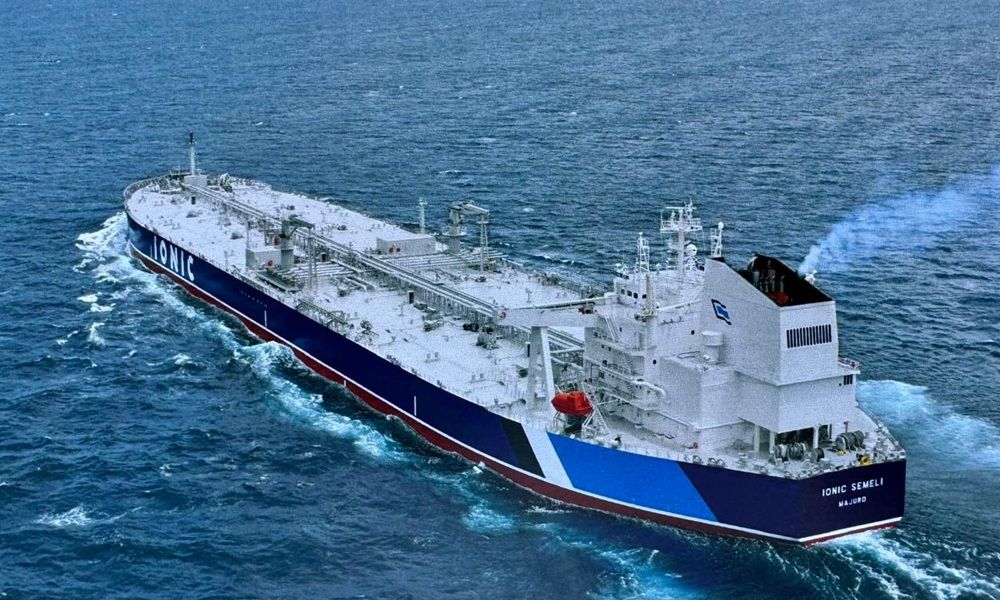
Ionic Tankers currently lists seven vessels in operation: six aframaxes and one suezmax, all built at Japanese yards including JMU, Sumitomo, Namura, and Tsuneishi. The company's newest tanker is the 2025-built, 159,120 dwt suezmax Ionic Semeli, delivered by JMU. Meanwhile, Ionic's dry bulk arm lists 11 vessels, including kamsarmaxes, ultramaxes, and supramaxes, built at Japanese yards such as Imabari, Sasebo, Tsuneishi, and Mitsui.
| Segment | Number of vessels | Notable yards |
|---|---|---|
| Tankers | 7 (6 aframaxes, 1 suezmax) | JMU, Sumitomo, Namura, Tsuneishi |
| Dry bulk | 11 (kamsarmax, ultramax, supramax) | Imabari, Sasebo, Tsuneishi, Mitsui |
Implications for tanker markets
For charterers and traders reliant on tanker capacity, Ionic's fleet renewal signals continued availability of modern, efficient vessels in the spot and time charter markets. The newbuilds will add capacity to the suezmax and aframax segments, which are key for crude and product transport. However, without disclosed delivery dates, the near-term impact on supply is unclear. Ionic was established in 2013 with the aim of building a medium-sized fleet of modern vessels and has maintained a steady preference for Japanese-built ships across both tanker and bulker sectors.
Watch list
- Delivery schedules for the four newbuilds, which will determine when new capacity enters the market.
- Tanker freight rate trends, particularly for suezmax and aframax tonnage, as fleet renewal affects supply dynamics.
- Further newbuilding orders by Greek owners, which could signal a broader trend in tanker fleet modernization.
Sources: