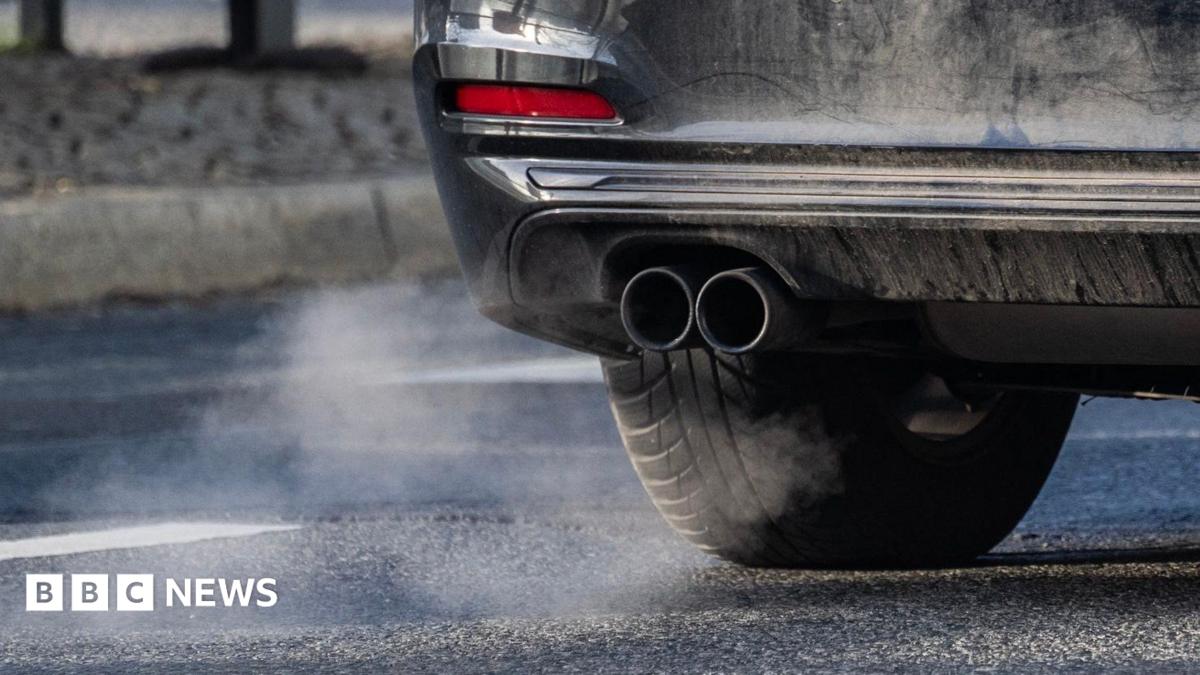
In a landmark ruling handed down today, Lady Justice Cockerill of the UK High Court found that vehicles from a host of major car manufacturers did not contain prohibited defeat devices (PDDs) alleged to have allowed them to cheat on emissions tests. The ruling, detailed in a 369-page judgment following a ten-week trial that concluded in March, rejected most allegations brought by around 1.6 million motorists suing over diesel vehicles made from 2009 onwards. The case examined 20 sample vehicles from five manufacturers: Mercedes-Benz, Renault, Nissan, Ford, and Peugeot and Citroen.
Court Findings
The court determined that most of the emissions-control strategies employed by the manufacturers did not constitute prohibited defeat devices. According to the judgment: "The Court rejected most of the principal allegations advanced against the manufacturers whose vehicles were examined at trial. In the majority of instances, the Court found that the relevant strategy did not constitute a prohibited defeat device." The judge clarified that for a defeat device to be found, there must be an intention to cause the emissions control system to operate differently when it senses it is being tested. However, two exceptions were noted: one strategy in Mercedes cars that was removed in 2015, and another used in some Peugeot-Citroen vehicles.
Manufacturers and Sample Vehicles
The trial focused on 20 sample vehicles from the five lead manufacturers. The wider case also involves models from other marques, as shown in the table below.
| Sample Vehicle Manufacturers | Wider Case Manufacturers |
|---|---|
| Mercedes-Benz | Opel and Vauxhall |
| Renault | Volkswagen and Porsche |
| Nissan | Jaguar Land Rover |
| Ford | BMW |
| Peugeot and Citroen | FCA and Suzuki |
| Volvo | |
| Hyundai-Kia | |
| Toyota and Mazda |
Industry Response
Mercedes-Benz welcomed the ruling but disagreed with the court's finding that one of its four sample vehicles was not compliant prior to a software update. The German carmaker stated: "In our view, the emission control software functionalities are justifiable on both technical and legal grounds. We are actively considering all of our available options, including a potential appeal." Peugeot-Citroën had not commented at the time of reporting. James Oldnall, managing partner at law firm Milberg, which represented some claimants, said: "We are pleased that the court has ruled that Mercedes installed illegal defeat devices, just like Volkswagen. The fight is not over on this case, but the first domino has fallen. We are on the right path and will continue pushing to hold these carmakers to account."
Next Steps
A further trial is scheduled for October 2026 to determine the consequences of any actionable breaches and issues relating to damages or remedies. The Dieselgate scandal, which first emerged in September 2015 when the US Environmental Protection Agency accused Volkswagen of installing defeat device software, continues to have legal repercussions for the automotive industry.
Sources: