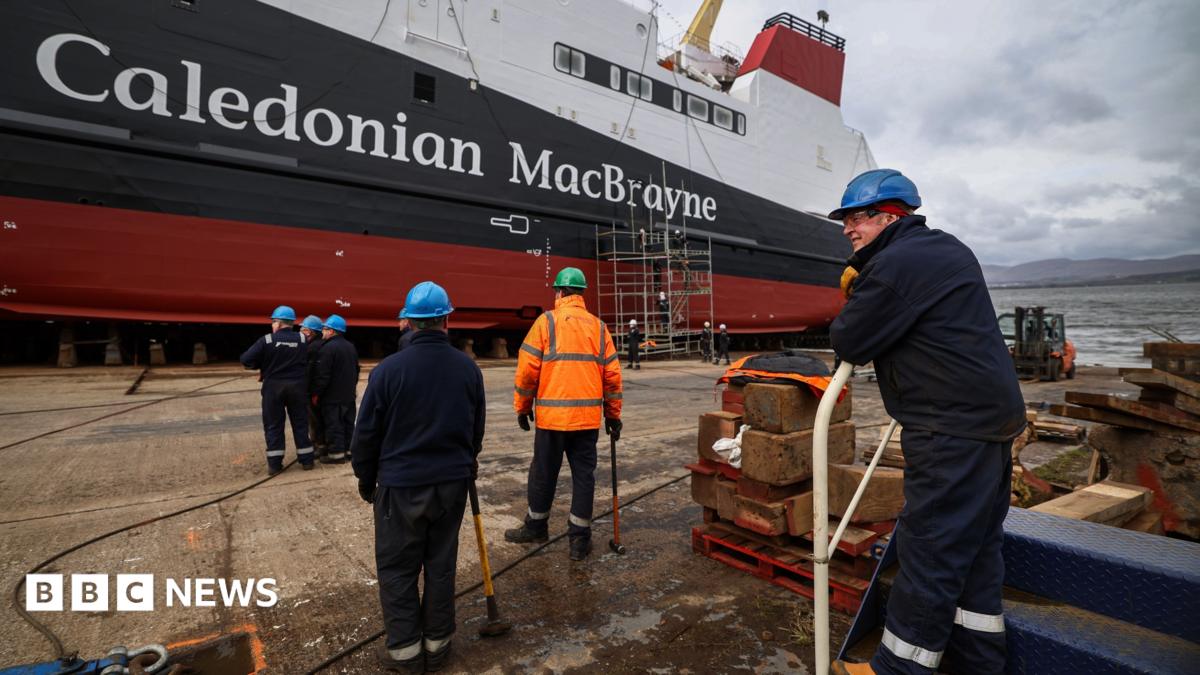
As much as $26 billion could flow to domestic shipyards for new construction and advanced procurement under the proposed Fiscal Year 2027 National Defense Authorization Act (NDAA), according to analysis by the Congressional Budget Office (CBO) reported by FreightWaves. The legislation, awaiting a vote in Congress, maintains shipbuilding investment at roughly the same level as the FY 2026 NDAA, which also authorized $26 billion for similar programs.
Programs Funded
The CBO analysis specifies that the $26 billion would support construction or advanced procurement for the following vessels:
| Program/Vessel | Type | Funding Purpose |
|---|---|---|
| Third Columbia-class submarine | Ballistic-missile submarine | Full construction |
| One Virginia-class submarine | Attack submarine | Full construction |
| Future submarines | Various | Advanced procurement |
| Future DDG-51 Arleigh Burke-class destroyers | Guided-missile destroyer | Advanced procurement |
| Ford-class aircraft carrier | Nuclear-powered carrier | Full program funding |
| One anti-submarine warfare auxiliary ship | Support vessel | Full funding |
| Two ship-to-shore connector landing craft | Amphibious landing craft | Full funding |
These programs represent a mix of long-lead procurement and full construction contracts that will sustain production lines at multiple shipyards over the next several years.
Shipyards Involved
According to FreightWaves, the builders identified to execute these programs include:
- General Dynamics Bath Iron Works (Bath, Maine)
- HII Newport News (Newport News, Virginia)
- HII Ingalls (Pascagoula, Mississippi)
- Fincantieri Marinette (Marinette, Wisconsin)
- Hanwha Philly Shipyard (Philadelphia, Pennsylvania)
These yards are already engaged in Navy construction programs, and the FY 2027 funding would extend or accelerate their workloads. For instance, General Dynamics Bath Iron Works builds the DDG-51 destroyers, HII Newport News constructs aircraft carriers and submarines, HII Ingalls produces amphibious ships and destroyers, Fincantieri Marinette builds the new Constellation-class frigates, and Hanwha Philly Shipyard (formerly Philly Shipyard) is involved in support vessels.
Implications for Industrial Manufacturing
The sustained $26 billion shipbuilding authorization signals stable demand for naval construction over the next fiscal year, which translates to predictable production schedules and workforce requirements at these yards. For manufacturing executives, plant managers, and procurement professionals in the industrial machinery and defense supply chain, this level of funding ensures continued orders for steel fabrication, propulsion systems, electronics, and specialized marine equipment.
Shipyards will likely need to manage capacity constraints and potential labor shortages as they balance multiple concurrent programs. Advanced procurement for future submarines and destroyers suggests planning for production slots well beyond FY 2027, providing a multi-year pipeline for Tier-1 and Tier-2 suppliers. Automation and process improvement investments at these yards may be accelerated to meet delivery timelines, particularly for the complex Columbia and Virginia-class submarines.
While the bill has not yet been voted on, the CBO's analysis provides a concrete baseline for production planning. Manufacturing firms that supply the naval shipbuilding ecosystem should monitor the bill's passage closely, as it will determine the release of funds and the start of new procurement actions.
Sources: