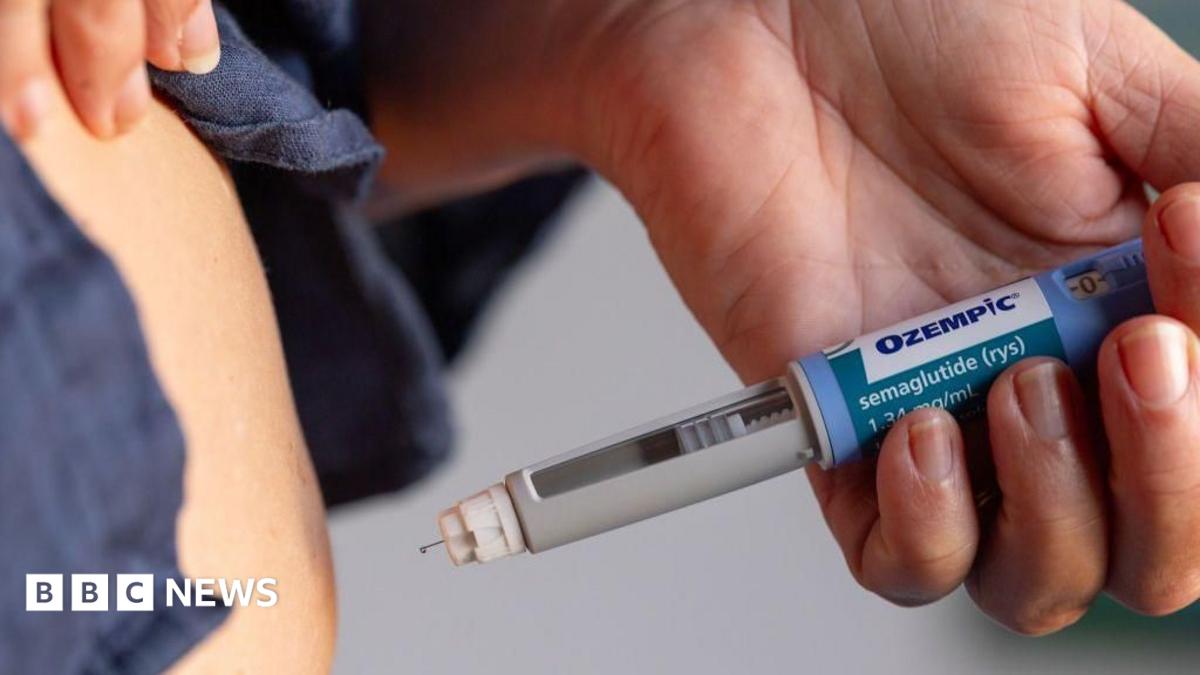
The digital search company JustAnswer made an unexpected pivot this May, launching an online pharmacy to sell GLP-1 weight loss drugs. According to WIRED, CEO Andy Kurtzig said the decision was partly driven by advice from ChatGPT and by a surge in customer interest—queries related to GLP-1s more than doubled between 2024 and 2025. JustAnswer did not build the offering from scratch; it relied on a turnkey telehealth provider called WhiteLabelMD to handle customer service, software, and clinician connections for prescribing drugs like semaglutide and tirzepatide. "We wouldn't have gotten into this if we had to build it all from scratch," Kurtzig told WIRED.
How Turnkey Telehealth Infrastructure Works
Turnkey telehealth providers act as middlemen, supplying ready-built software, doctor networks, and regulatory compliance tools. Fuse Health, a newer startup specializing in peptides, boasts that it can help brands go live in three hours. "Yes, we timed it," its website reads. Another major player, OpenLoop, supplies medication fulfillment for clients including the gay dating app Grindr, which launched a telehealth arm called Woodwork in 2025, offering erectile dysfunction medication, the peptide Sermorelin, and GLP-1 drugs.
Jiten Chhabra, chief medical officer of CareValidate, another leading turnkey firm, told WIRED that "anybody can now get into telehealth because of infrastructure companies like ours," describing the current period as an era of "telehealth for everything." CareValidate creates topic-specific guides for popular verticals, including GLP-1s, peptides, prescription skin care, and hormone replacement therapy. Chhabra said the company works with fitness centers, gyms, and health brands such as Bodybuilding.com, but also with nontraditional clients like a cosmetics brand and a chair-rental company for hairdressers.
One client with a digital marketing background launched a virtual clinic for onychomycosis (toe fungus). "They don't have any clinical experience, but they know that there's demand online, people searching for prescription medication for toe fungus," Chhabra explained. The rate at which new brands are launching, he said, is "astronomical"—at minimum, one per day.
The Expanding Ecosystem
The barrier to entry has become remarkably low. Scott Roth, CEO of LegitScript (a certification company for telehealth providers and pharmacies), said, "Anyone who has an audience could potentially get into this—a gym, an influencer, you name it." Some influencers have already jumped in. Reality television star Savannah Chrisley started Good Girl RX, focused on GLP-1s, in 2025; its terms of service connect patients with providers from Beluga Health, another turnkey company.
| Turnkey Provider | Services | Notable Claim/Feature |
|---|---|---|
| WhiteLabelMD | Customer service, software, clinician connections | Enabled JustAnswer entry |
| Fuse Health | Ready-built software, rapid deployment | Go live in three hours |
| OpenLoop | Medication fulfillment, telehealth platform | Used by Grindr's Woodwork |
| CareValidate | Topic-specific guides, regulatory compliance | Launches at least one brand per day |
| Beluga Health | Connects patients with clinicians | Referenced by Good Girl RX |
Rapid Market Growth and Regulatory Gaps
Tracking the number of new telehealth companies is nearly impossible. The FDA does not require registration, and growth is explosive. Sabina Hemmi, cofounder and CEO of GLP Winner, a comparison site for GLP-1 providers, told WIRED she no longer even attempts to track new startups because there are simply too many. "We’re seeing a lot of vibe-coded sites," she said. "There’s been a rise of what I call 'marketing bros' getting into the space." These operators see profit opportunity but have no background or interest in medicine or customer experience.
The influx of non-traditional sellers raises questions about quality control, patient safety, and manufacturing demand. As more brands compete for patients, pharmaceutical manufacturers may see increased orders for GLP-1 drugs like semaglutide and tirzepatide, though supply constraints remain a concern. The turnkey model dramatically lowers the cost of entry, potentially accelerating the commoditization of GLP-1 prescribing. For industrial executives accustomed to long lead times in building manufacturing or distribution capacity, the speed of these digital health startups underscores a shift: in the virtual clinic space, infrastructure-as-a-service can transform any brand into a drug seller overnight.
Sources: