The European Union's Carbon Border Adjustment Mechanism (CBAM) threatens the export competitiveness of Indian steel and aluminium MSMEs, according to experts at the PHDCCI's Carbon Shift India 2026 conference. While large-scale industries have some resilience, smaller units lack the financial capacity and reporting framework required by European regulations.
What is CBAM?
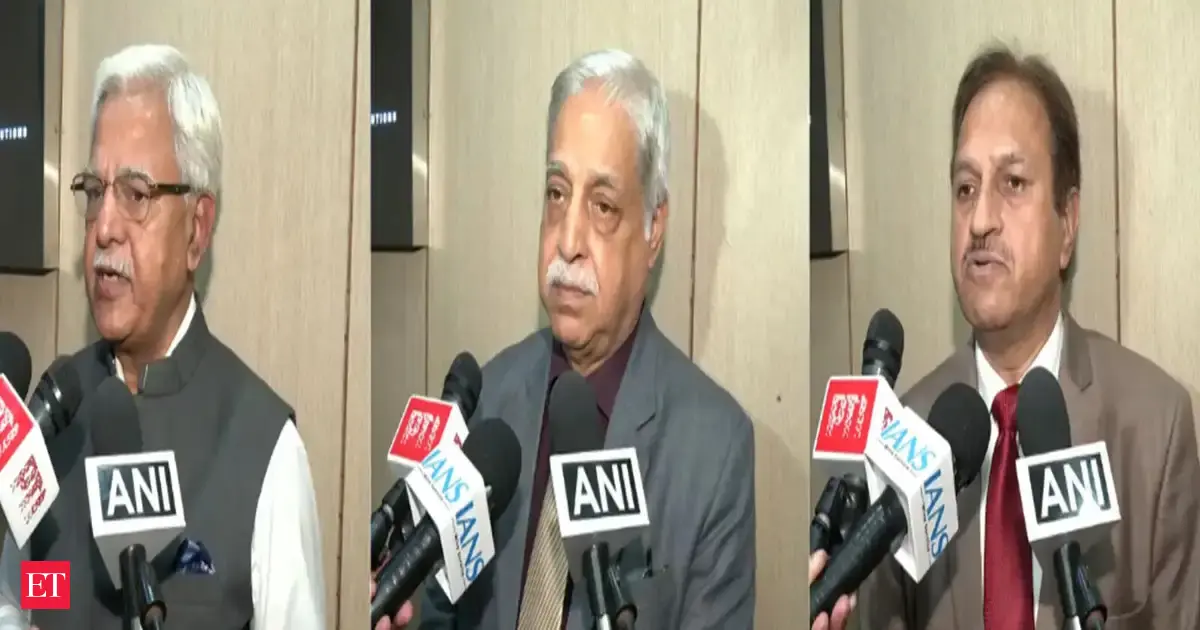
Ravinder Bhan, Senior Director at the Indian Steel Association, stated that CBAM functions as a tax set up by the European Union Commission to upgrade their own industries and technology. He noted that if Indian exports of steel or aluminium do not meet European emission targets, the tax applies disproportionately.
Who Is Affected?
R. R. Rashmi, Distinguished Fellow at The Energy and Resources Institute (TERI), speaking on the sidelines of the conference, said that while large-scale industries like iron and steel or aluminum do have some financial and technical capacity, "the biggest concern is for our small units, the MSMEs. They have neither the capacity nor the resources." He emphasised that the EU's tax on the carbon content of carbon-intensive goods imported into their region threatens the export competitiveness of domestic steel and aluminium sectors, demanding urgent structural adjustments within India's manufacturing ecosystem.
Jatinder Singh, Deputy Secretary General, PHDCCI, observed that heavy industries have set Net Zero targets but these do not match EU benchmarks, leading to lower steel and aluminium exports over the last few months.
Compliance Challenges for MSMEs
Ravinder Bhan explained the specific difficulties faced by small and medium-sized companies: "They will be in trouble because they have to hire an auditor who will accredit the European Union. Till now, they have not allowed accreditation. So, they have to take the certificate. It is a costly thing. They have to audit and upgrade the system but it is a costly affair. They will not be able to afford it."
Key compliance burdens include:
- Lack of financial capacity to hire EU-accredited auditors
- No accreditation mechanism yet available
- Costly certification and system upgrades
- Inability to meet EU emission benchmarks
Call for Government Support
Jatinder Singh focused on how MSMEs can overcome these challenges through government-backed monitoring technologies to track carbon footprints directly at the manufacturing source. He also suggested reorientation toward other markets: "Therefore, we should reorient toward other sectors, such as Africa and similar regions. For this reorientation, our industry, with the support of the Government of India, is highly capable."
Singh added that companies are actively seeking alternative supply chains and new destination countries, which will soon mitigate the initial export shocks felt by the sector.
Industry Outlook
The conference highlighted the urgent need for structural adjustments in India's manufacturing ecosystem to comply with CBAM. Without government intervention, MSMEs face significant cost burdens and potential loss of EU market access. The shift toward Africa and other regions may offer temporary relief, but long-term compliance with EU carbon standards remains essential for sustained exports.
Sources: