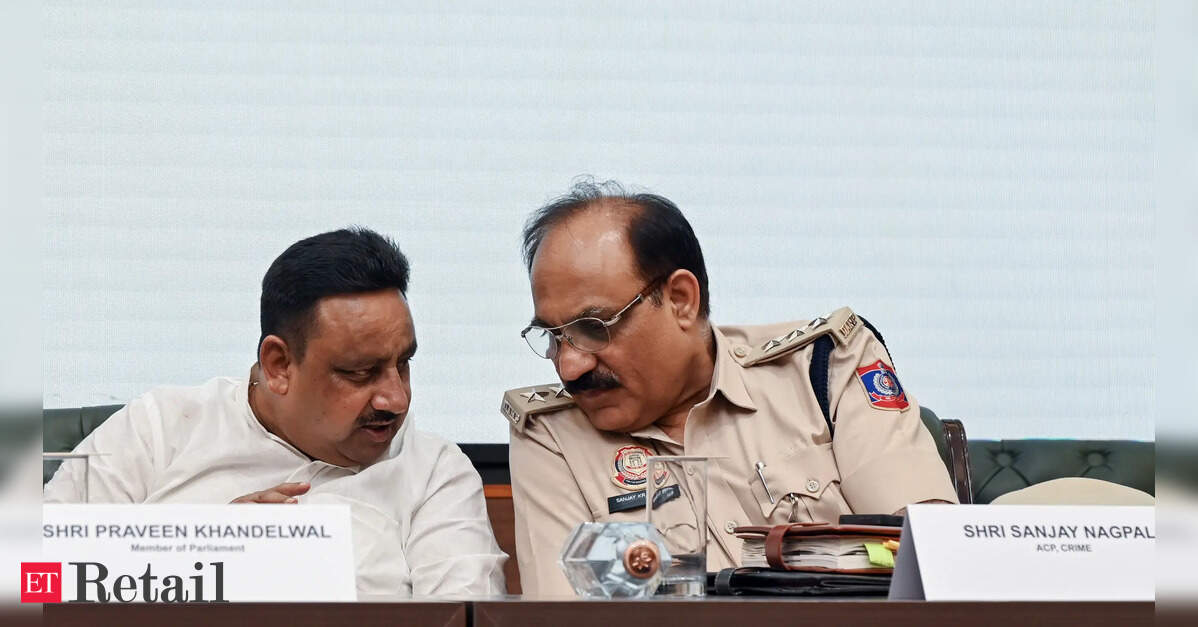
New Delhi — The Federation of Retailers Association of India (FRAI) on Wednesday urged the government to strengthen enforcement measures against illicit trade and counterfeit products, saying their proliferation poses risks to consumer safety and harms the livelihoods of millions of small retailers, according to a statement from the organisation. The call came during a seminar titled Confronting Illicit Trade in Modern Markets hosted by FRAI at the Constitution Club in New Delhi.
Alarming Rise of Counterfeit Products
FRAI highlighted an "alarming rise" of counterfeit and non-compliant products across multiple categories, including: food and beverages, groceries, personal care products, cosmetics, tobacco products, cigarettes, e-cigarettes, emerging nicotine delivery products, electronics, and household goods. According to FRAI General Secretary Vinay Kumar, illicit trade has evolved beyond a commercial challenge and has become a major consumer protection and livelihood issue.
"Counterfeit and illegally sourced products expose consumers to unsafe and substandard goods while undermining fair competition. Millions of small retailers are struggling to compete against an ecosystem where illicit products continue to circulate unchecked," Kumar said.
Government Commitment
A representative speaking at the seminar noted that the government treats this issue with utmost seriousness and is committed to strengthening the legal framework. "Technology can become a powerful tool in combating counterfeit products, and public-private partnerships are key to building a transparent and trusted retail ecosystem," the representative stated. Participants at the seminar also highlighted emerging challenges arising from the rapid growth of digital commerce and quick-commerce platforms, observing that while these channels have improved consumer convenience, they have also complicated efforts to monitor product authenticity and supply chain compliance.
Call for Balanced Regulation
The seminar called for a balanced regulatory framework that encourages innovation while ensuring accountability and consumer protection. FRAI's appeal underscores the need for enhanced coordination between industry, customs authorities, and enforcement agencies to curb the inflow of counterfeit goods, particularly those entering through e-commerce channels. The association urged the government to deploy technologies such as track-and-trace systems and improve border controls to detect illicit products.
Implications for Trade Compliance
For trade compliance professionals, the FRAI statement signals that Indian authorities may intensify scrutiny on imported goods in the affected product categories. Customs brokers and importers should prepare for tighter documentary checks and potential seizures of goods that do not meet Indian product standards. The emphasis on digital commerce also suggests that e-commerce platforms may face new obligations to verify the authenticity of products sold through their marketplaces. Companies in the affected sectors should review their supply chain due diligence, particularly for goods sourced from regions known for counterfeit production. The push for public-private partnerships may lead to voluntary compliance programs or certification schemes that companies can adopt to demonstrate product authenticity.
Sources: