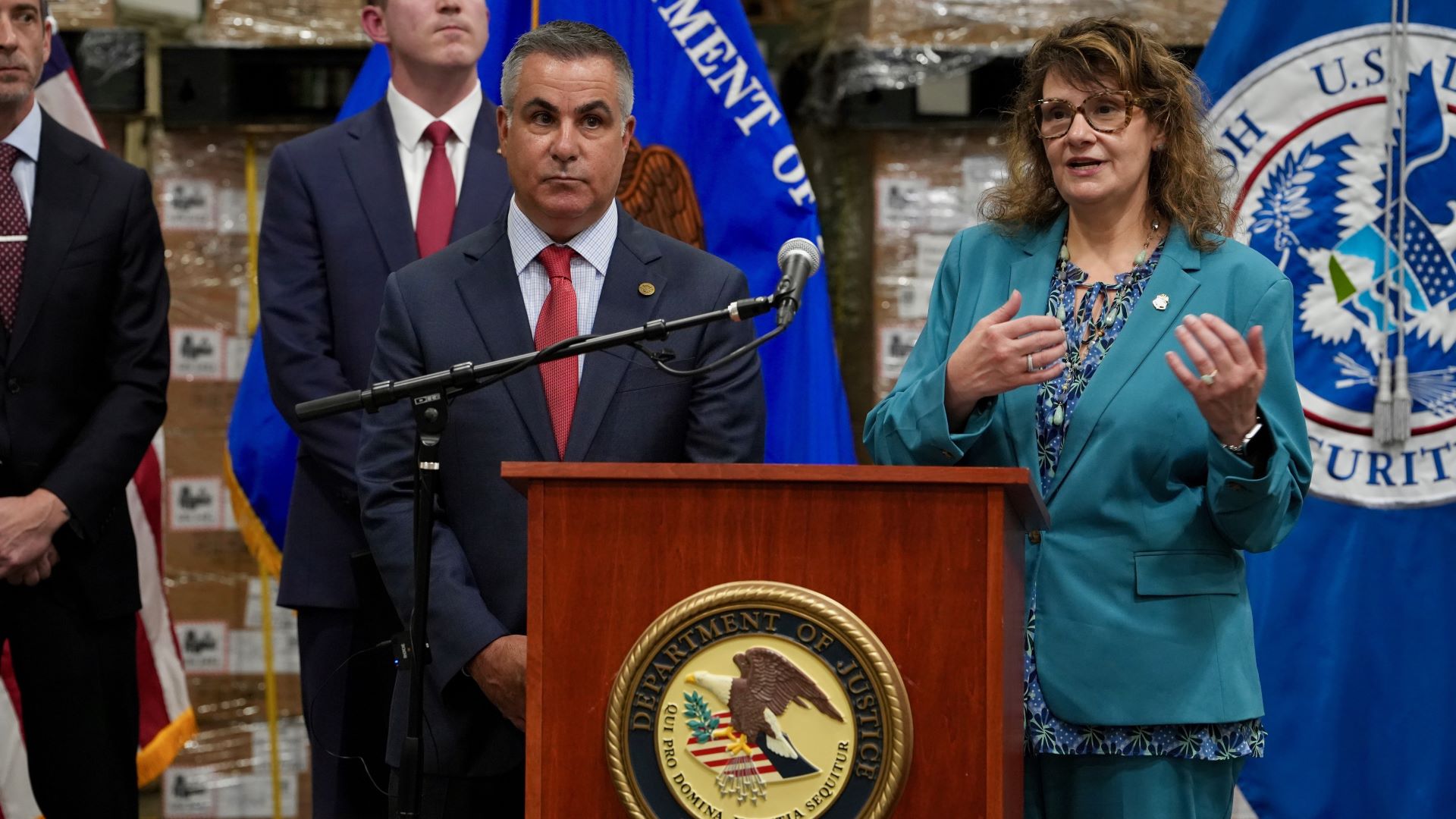
The U.S. Department of Justice announced Aug. 6 that publicly traded Everlight Electronics and its Texas-based subsidiary Everlight Americas have agreed to pay $5.15 million to resolve allegations the companies knowingly failed to pay duties on light-emitting diodes (LEDs) imported from China. The settlement resolves a whistleblower investigation into whether Everlight knowingly misrepresented the country of origin on Chinese-made LEDs between July 2018 and January 2022 to avoid paying Section 301 tariffs.
The settlement and allegations
According to the Department of Justice, U.S. Customs and Border Protection alleged that Everlight knew the products were made in China and then transshipped to Taiwan before being shipped to the United States. Under Section 301 of the Trade Act, the government can impose trade sanctions on foreign countries that engage in unfair trade that harms domestic industries. The agreement also resolves allegations that over a nearly four-year period ending in November, Everlight continued to import LEDs from Taiwan, some of which included Chinese-made components that weren't segregated from Taiwanese-made components during manufacturing.
Trade Fraud Task Force context
The settlement comes three weeks after the Justice Department's Trade Fraud Task Force surpassed more than $1 billion in civil and criminal recoveries, penalties, forfeitures and publicly charged losses since its launch in August 2025, according to the DOJ. The cross-agency task force was launched one year ago to enhance efforts to combat and prevent trade fraud, which deprives the government of revenue, hurts domestic sellers, and undermines regulations designed to protect consumer safety and national security. According to the DOJ, the incentive to cheat escalated last year after the Trump administration imposed sweeping tariffs at various levels on China and dozens of other trading partners.
Assistant Attorney General Colin McDonald of the Justice Department's National Fraud Enforcement Division said in a statement last month:
"For too long, fraud actors have viewed customs violations as a mere surcharge or cost of doing business. By utilizing the Department's full weight, we are making it clear that trade fraud is a serious economic crime. This billion-dollar milestone demonstrates that the United States and the National Fraud Enforcement Division will no longer allow the integrity of our country's borders and markets to be compromised for illicit profit. This message should be heard loud and clear by all supply-chain actors."
According to the DOJ, the task force helps augment coordination within the departments of Justice and Homeland Security to pursue enforcement actions against parties that try to evade duties and tariffs, or smuggle prohibited goods into the country through transshipment, mislabeling and false declaration. Its mandate covers the entire supply chain, including importers, customs brokers, downstream distributors, end-users and others who profit from illegal imports.
Related enforcement actions
Last month, Dallas-based Seafood Supply Co. was sentenced to pay a $250,000 fine for violating two counts of the Lacey Act. According to court documents, Seafood Supply falsified the country of origin of salmon sold over two years, designating Chilean salmon as salmon from Scotland or other European countries. Typically, Chilean salmon was less expensive than products from Scotland and thus subject to lower duty payments.
The Trade Fraud Task Force also has secured several major settlements, according to the DOJ:
| Company | Amount | Allegation |
|---|---|---|
| Perfectus Aluminum | $549.5 million collected | Scheme to evade antidumping and countervailing duties on aluminum extrusions |
| Boise Cascade | $6.3 million fine | Illegally importing birch plywood in violation of the Lacey Act |
| Ceratizit USA | $54 million settlement | Knowingly failing to pay duties on tungsten carbide products imported from China |
Compliance implications
For trade compliance officers, customs brokers and supply-chain actors, the Everlight settlement and the task force's billion-dollar milestone underscore the U.S. government's focus on customs enforcement across the entire supply chain. The DOJ has stated that its mandate includes importers, customs brokers, downstream distributors, end-users and others who profit from illegal imports. The announced settlements cover goods as varied as LEDs, aluminum extrusions, birch plywood, tungsten carbide products and salmon, according to the DOJ. Companies that import goods subject to Section 301 tariffs or other duties should verify country-of-origin documentation and ensure that transshipment and component sourcing practices do not create liability under U.S. customs law.
Sources: