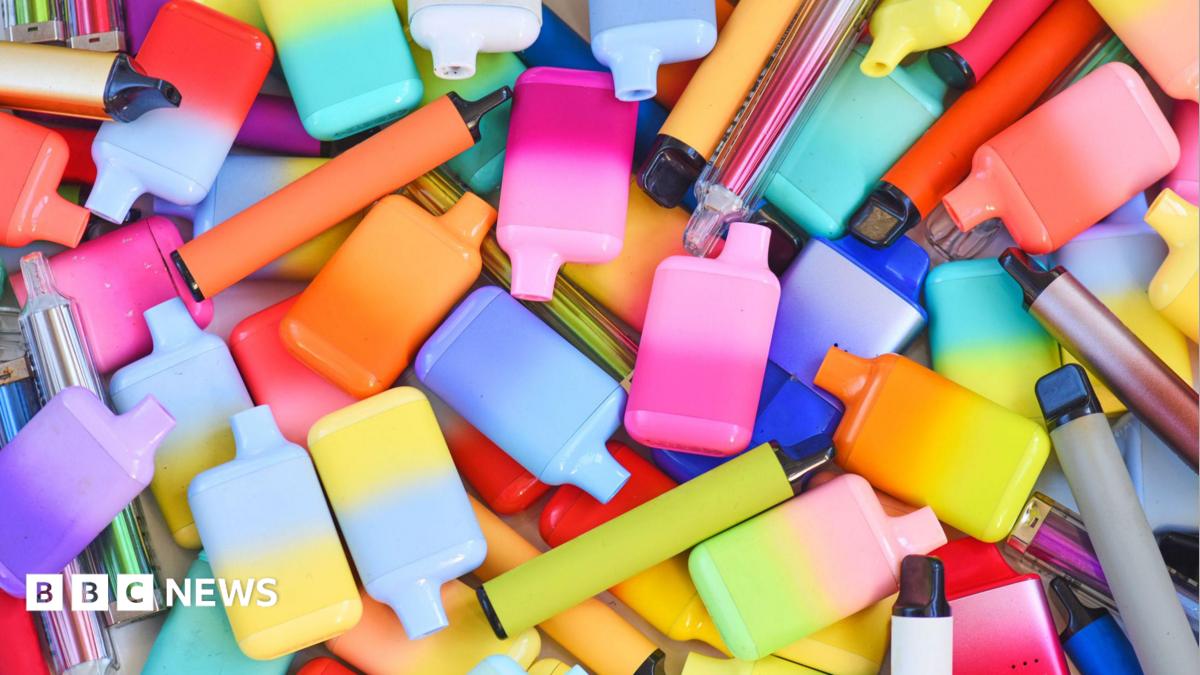
According to a WIRED investigation, Chinese vape manufacturers have found a new way to sidestep US federal tobacco regulations by using nicotine analogs—little-studied chemicals that mimic nicotine's effects. Flavored nicotine vapes are largely illegal in the United States, yet convenience stores and tobacco shops have generated billions of dollars in sales from these products in recent years, despite periodic law enforcement seizures and efforts by the Food and Drug Administration to keep them off the market.
Regulatory Gap: Nicotine Analog Loophole
After Congress closed the synthetic nicotine loophole in 2022—expanding regulation beyond tobacco-derived nicotine—Chinese manufacturers began filling their vapes with little-studied chemicals known as nicotine analogs. Because current regulations still narrowly define what counts as nicotine, Chinese companies have been able to sell nicotine analog vapes in the US without having to worry about federal tobacco rules, which generally require companies to submit new products to the FDA for scientific review before they can be legally marketed.
“This is just like whack-a-mole, these companies will do everything they can to circumvent regulation,” said Robert Jackler, an emeritus professor of head and neck surgery at Stanford University and founder of an interdisciplinary research group studying the impacts of tobacco advertising.
Health and Safety Concerns
The effects of nicotine analogs on humans haven't been extensively researched, but animal studies have found that one of the most popular variants, 6-methyl-nicotine, could be more potent and addictive than regular nicotine. Vapes containing nicotine analogs may also expose users to other mysterious chemicals. A 2024 study found that some manufacturers were selling nicotine analog vapes that contained additional unlabeled ingredients, including artificial sweeteners and cooling agents with unknown inhalation risks. “What's on the label has very little relationship to what's in it,” Jackler said.
Researchers first documented the emergence of vapes containing 6-methyl-nicotine and other nicotine analogs in the US market about three years ago. However, the chemical compounds themselves are not new—tobacco companies have been researching them since as far back as the 1970s. A 2005 review of millions of previously secret internal industry documents found Big Tobacco had long explored nicotine-like compounds as replacements for nicotine, in part because they believed they could help circumvent potential regulation. US tobacco companies never wound up marketing mainstream products containing these chemicals; instead, they surfaced decades later in disposable vapes made by Chinese manufacturers.
| Chemical | Potency (Animal Studies) | Regulatory Coverage |
|---|---|---|
| 6-methyl-nicotine | More potent and addictive than nicotine | Not explicitly regulated as nicotine |
| Other nicotine analogs | Unknown | Not covered by FDA tobacco rules |
Enforcement and Industry Response
Chinese vape companies “are extremely creative, they are extremely smart,” said Rich Marianos, a former official with the US Bureau of Alcohol, Tobacco, Firearms and Explosives who is now executive director of the Tobacco Law Enforcement Network, an advocacy group that does not publicly disclose its funding.
“The Chinese have been flooding the American market with illegal vape products designed to target children for years. These fake nicotine products appear to be a new scheme to trick American consumers into putting illicit, potentially dangerous chemicals into their body. The Trump Administration has made cracking down on these unregulated Chinese products a priority, and I hope they continue to sound the alarm on this problem.” — Senator Tim Sheehy (R-MT) in a statement to WIRED
For trade compliance officers and customs brokers, the emergence of nicotine analogs represents a significant regulatory challenge. Products that contain these chemicals may not be flagged under current customs classifications or FDA import alerts, as they do not fall within the existing definition of nicotine. Importers must exercise heightened due diligence to ensure that vape shipments do not contain unapproved substances. The FDA has periodically conducted seizures of illegal flavored vapes, but the scope of enforcement remains limited by the regulatory gap.
As the Trump administration has effectively dismantled certain enforcement mechanisms, according to Jackler, the burden falls on importers and distributors to verify product compliance. Legal counsel should monitor FDA guidance on nicotine analogs and be prepared for potential rulemaking that could close this loophole. Customs brokers should scrutinize product labels and ingredient lists for any mention of nicotine analogs and flag shipments for further review.