
Topic
chemicals
 Commodities
 Deadly Fire at Russia's Amur Polymer Hub Clouds Launch of Asian Export Stream
A deadly fire at Russia's $12bn Amur Gas Chemical Complex has thrown uncertainty over the imminent launch of a massive new polymer export stream destined largely for Asian markets, according to Splash247. Seven people were killed and more than 130 injured in the incident during commissioning. The complex, a Sibur-Sinopec joint venture, was set to produce 2.3 million tonnes of polyethylene and 400,000 tonnes of polypropylene annually.
 Commodities
 NITI Aayog report: India chemicals exports could hit $81 billion by 2030
A NITI Aayog report says India's chemicals industry could target exports of up to USD 81 billion by 2030, including USD 45 billion in specialty chemicals. Achieving the target requires 10-11% consumption CAGR and 14% production CAGR over five fiscal years. The report identifies US and Brazil as key export markets and recommends policy interventions to close infrastructure and technology gaps.
 Regulations & Compliance
 India considers restricting Carbosulfan insecticide use weeks after proposing ban on Paraquat
The Hindu BusinessLine reported that India is considering placing the insecticide Carbosulfan under restricted use by the end of August 2026, after proposing a blanket ban on Paraquat Dichloride in July. The Agriculture Ministry acted on a CIB&RC recommendation; FMC India's Marshal brand and the FMC-Crystal Crop Protection deal are in focus.
 Commodities
 Kerala MP Hibi Eden seeks Centre's intervention to revive, modernize FACT
MP Hibi Eden has sought Union Fertilizer Ministry intervention to revive and modernize FACT, citing an unprecedented financial crisis from rising raw material costs. His demands include restructuring ₹1,000-crore loans, expediting ₹6,350 crore modernization projects, higher subsidy rates and K-VAT exemption on LNG.
 Logistics
 Why 'Shipper of Choice' Is a Strategic Imperative in Chemical Logistics
Univar Solutions is doubling down on its 'shipper of choice' strategy to secure liquid bulk hazmat truck capacity. Vice President Rob McCray outlined the approach at the company's annual carrier kickoff, emphasizing long-term partnerships, disciplined route-guide strategies, and proactive fuel surcharge adjustments as market conditions shift toward carrier-favorable trends.
 Logistics
 The Chemical Blind Spot in Ballast Water Treatment: Unmonitored Bromoform Risks to Ports and Shipping
Ballast water treatment systems that use oxidant-based methods, such as electrochlorination, generate disinfection by-products like bromoform which accumulate in port waters without monitoring. The IMO's approval process uses a hypothetical Model Harbour rather than real port conditions. Global ballast discharge volumes remain poorly measured, while studies show bromoform concentrations in treated water are ten times higher than in industrial effluents, with estimated annual release of 860 tonnes worldwide.
 Trade
Trade Import restriction on low-priced PVC resin may push domestic prices: GTRI
The Directorate General of Foreign Trade (DGFT) has imposed a minimum import price (MIP) of USD 0.766 per kg on Suspension Grade Polyvinyl Chloride (S-PVC) Resin for six months, requiring imports below that threshold to obtain a license. According to trade think tank GTRI, the measure is expected to increase domestic PVC resin prices but is unlikely to significantly reduce India's heavy dependence on imports, as domestic production meets only 36% of demand.
 Commodities
 How sustainability is becoming the fertiliser industry’s defining growth strategy
India's fertiliser industry, producing nearly 52 million metric tonne in 2025-26, is integrating sustainability into its core strategy. Advances in energy efficiency (36% improvement), water conservation (60% reduction), and circular economy practices are reshaping the sector, which relies heavily on imported raw materials. The industry aligns with UN SDGs while leveraging AI and ML for process optimisation.
Chinese Vape Manufacturers Use Nicotine Analogs to Circumvent US Flavor Bans and FDA Oversight
WIRED reports that Chinese vape manufacturers are circumventing US federal tobacco regulations by using nicotine analogs, little-studied chemicals that mimic nicotine's effects. Despite flavored nicotine vapes being largely illegal, these products are widely sold in the US. Researchers warn of unknown health risks and regulatory gaps that allow these products to evade FDA review.
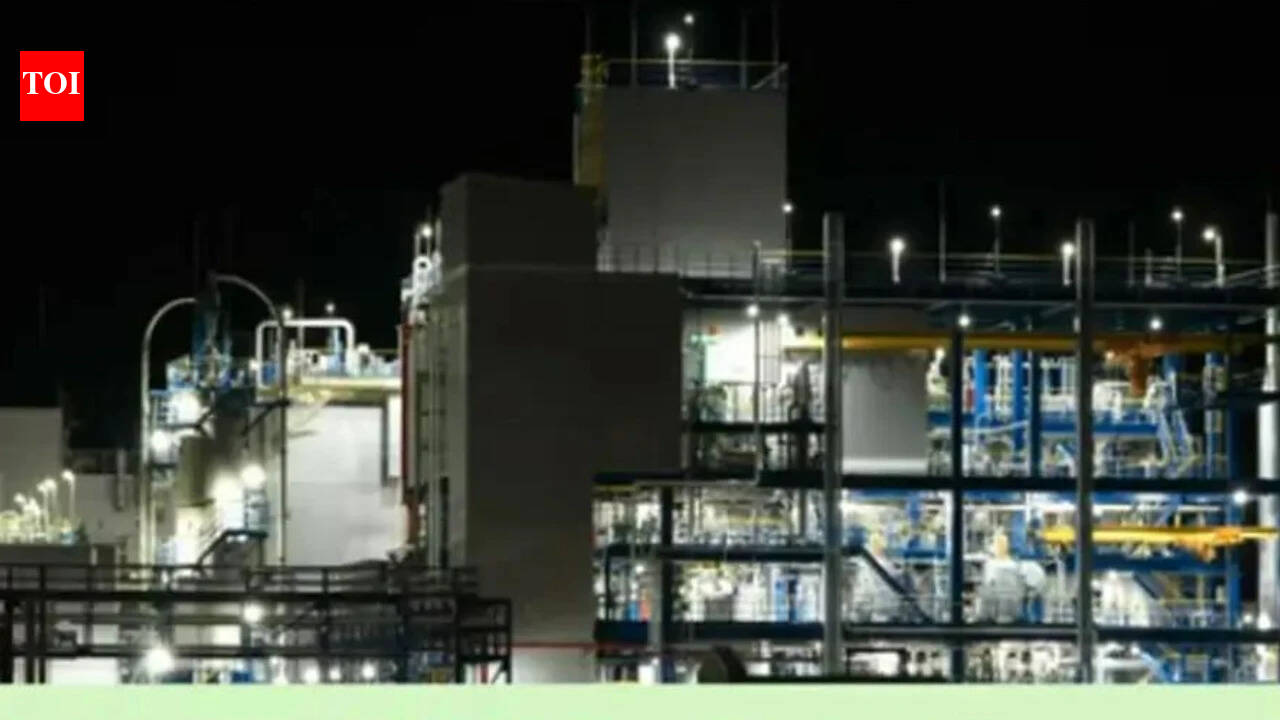
India Imposes Six-Month Import Restrictions on Suspension Grade PVC Resin Below $0.766/kg
The Indian Directorate General of Foreign Trade has restricted imports of suspension grade PVC resin with a CIF value of $0.766 per kilogram or less for six months, with exceptions for 100% Export Oriented Units, SEZ units, and imports under the Advance Authorisation Scheme. The move follows an anti-dumping investigation by the Directorate General of Trade Remedies (DGTR) initiated after a complaint by domestic manufacturers Chemplast Cuddalore Private Limited, DCM Shriram Limited, and DCW Limited, alleging dumping from seven countries.
 Commodities
 Cabinet Approves Rs 3,030 Crore BHAVYA Rasayan Scheme for Three Chemical Parks
The Union cabinet approved the BHAVYA Rasayan scheme with a total outlay of Rs 3,030 crore to set up three dedicated chemical parks across India. The scheme, announced in the Union Budget 2026-27, will provide grants of up to Rs 1,000 crore per park, with state governments contributing at least Rs 500 crore each. The parks aim to boost domestic manufacturing, exports, and employment while promoting environmentally sustainable industrial development.
 Commodities
 India imports 25.08 lakh tonnes of urea in Q1, diversifies fertiliser supply sources
India imported 25.08 lakh tonnes of urea and 7.11 lakh tonnes of DAP in April-June 2025-26, according to government data. The Chemicals and Fertilizers Minister J P Nadda informed Parliament that the government is diversifying import sources, including long-term agreements with Saudi Arabia and Russia, to mitigate supply chain risks.
 Commodities
 Government restricts low-priced suspension-grade PVC resin imports for six months
The Indian government has restricted imports of low-priced suspension-grade PVC resin for six months by imposing a minimum import price of USD 0.766 per kg. The move, effective immediately, changes the import policy from 'Free' to 'Restricted' for S-PVC under HS code 39041020. Exemptions are granted to export-oriented units (EOUs), SEZs, and units under the Advance Authorisation Scheme, provided the imported inputs are not sold into the domestic tariff area. The policy change follows an anti-dumping investigation by the DGTR that found material injury to domestic producers from dumped imports.
 Commodities
 FACT halts ammonium sulphate production amid raw material crunch, rising costs
Public sector Fertilizers and Chemicals Travancore Ltd (FACT) has suspended ammonium sulphate production due to supply chain disruptions and soaring raw material costs from geopolitical tensions. The government has imported enough fertilizer to cover the shortfall, ensuring no impact on farmers. FACT is exploring alternative sources to resume production.
 Commodities
 Cabinet Approves New Urea Investment Policy to Boost Domestic Production
The Cabinet Committee on Economic Affairs (CCEA) has approved the National Investment Policy for Urea-2026, aiming to establish eight new urea plants and generate an additional 10 million tonnes of output. The policy, open to public, private, and cooperative sectors, is projected to attract up to ₹90,000 crore in investment. India currently imports about 10 mt of urea against domestic production of 30 mt and demand of 40 mt.
 Commodities
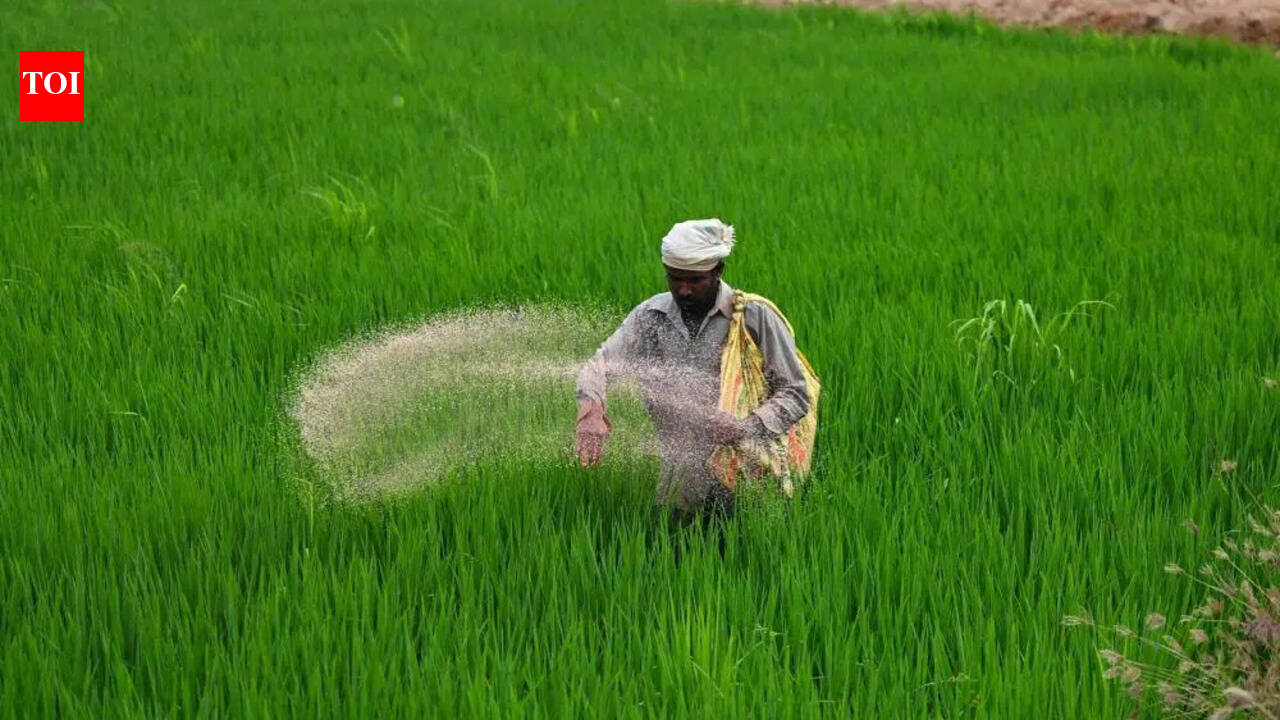
 India Plans 7.24 Lakh MT Green Ammonia Procurement to Boost Green Urea Production
The Indian government has outlined a roadmap to procure 7.24 lakh metric tonnes of green ammonia annually under the National Green Hydrogen Mission. The initiative aims to reduce dependence on imported urea and decarbonise domestic fertiliser production, supported by a differential subsidy mechanism and financial incentives from the Ministry of New and Renewable Energy.
 Commodities
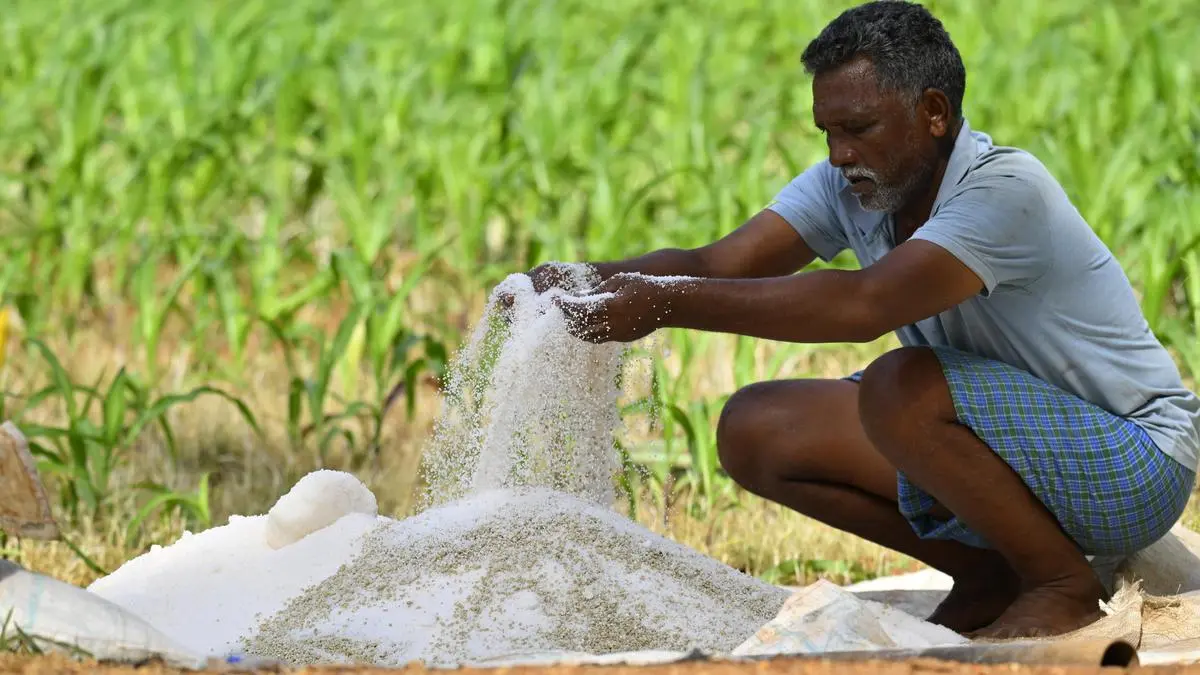
 15 India-Bound Ships Carrying Urea, DAP and Sulphur Cross Hormuz Safely: Government
The Indian government reported that 15 out of 20 vessels carrying fertilisers and raw materials have safely crossed the Strait of Hormuz, ensuring uninterrupted supply. Domestic production of urea, DAP, and NPK exceeded targets in Q1 FY27, and fertiliser stocks stand at 163.35 lakh tonnes as of July 2.
 Commodities
 Fertiliser Ministry Charts Green Urea Roadmap with Pilot Plant in Andhra Pradesh
The Fertiliser Ministry has outlined a roadmap for green urea production, including a pilot plant at Pudimadaka, Andhra Pradesh, developed by NTPC's R&D arm. The plan involves financial allocations from multiple ministries and a procurement target of 7.24 lakh tonnes of green ammonia annually. The initiative aims to reduce India's import dependence on urea, which stood at 100 lakh tonnes in 2025-26.
 Commodities
 Two New Urea Plants to Boost India's Domestic Production, Reduce Import Dependence
India is set to add 25.4 lakh tonnes of annual urea production capacity with two new fertiliser plants expected to begin operations soon, a move the government says will strengthen domestic availability and reduce reliance on imports. Domestic urea production hit a record 314.07 lakh tonnes in 2023-24, up from 225 lakh tonnes in 2014-15. Despite geopolitical disruptions, the government maintains subsidised retail prices.
 Commodities
 India's Fertilizer Prices Drop Amid Easing Supply Strain
India's latest fertilizer tender saw prices drop significantly, indicating an easing of global supply strains. National Fertilizers Ltd. received offers between $444.90 and $617 per tonne, a stark contrast to April's prices of $935 to $959 per tonne.
 Commodities
 Balrampur Chini Mills Boosts India's Bioplastics with New Initiative
Balrampur Chini Mills Limited has launched the Bioyug Green Command 2026 to advance India's bioplastics ecosystem. This initiative aims to transition from conventional materials to sustainable alternatives, empowering farmers and strengthening domestic manufacturing.
 Commodities
 Fertilizer Subsidy Strain Amid Geopolitical Tensions
India's fertilizer subsidy is under pressure as 20% is exhausted within two months due to geopolitical tensions and a below-normal monsoon forecast. The government is taking steps to manage demand and ensure supply.
 Commodities
 Telangana Seeks Exclusive Ramagundam Urea Allocation
Telangana Chief Minister A Revanth Reddy has requested the central government to allocate all urea produced at the Ramagundam Fertilizer factory to the state. This move aims to ensure sufficient fertilizer availability for the upcoming kharif season amid potential rainfall deficits.
Regulations & Compliance UPL gets approval for Bioclassic in India
Read the full story for in-depth analysis.
 Commodities
 India's New Coal Gasification Urea Policy to Boost Self-Reliance
India is set to unveil a coal gasification-based urea policy within a month, aiming to reduce reliance on imported natural gas. This policy will leverage domestic coal reserves, enhancing self-reliance and saving foreign exchange.
 Commodities
 Fertilizer Raw Material Prices Surge Amid US-Iran Conflict
Fertilizer raw material prices have surged due to the US-Iran conflict, impacting Gujarat State Fertilizers & Chemicals Ltd (GSFC). However, government subsidies are expected to absorb the cost impact, protecting margins in key products like Urea and DAP.
Commodities Urea, DAP demand rises amid West Asia tensions
Read the full story for in-depth analysis.