
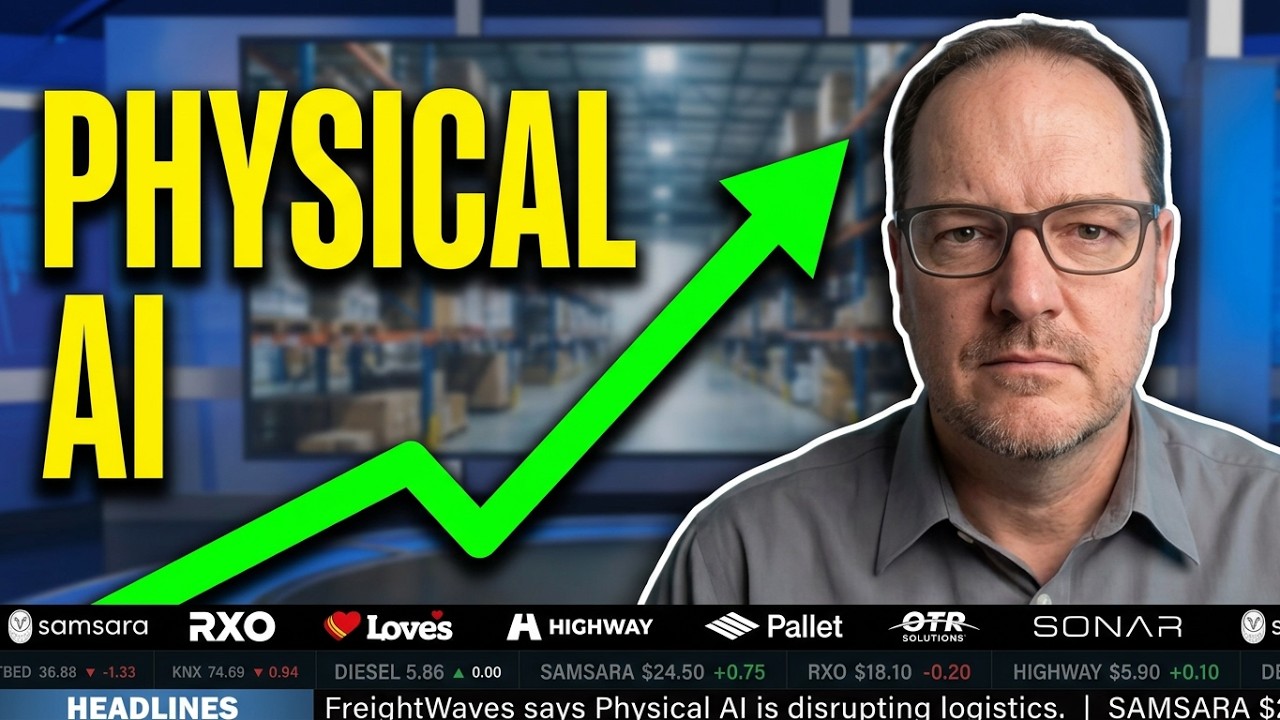
For supply chain leaders seeking to close the gap between data and action, Zebra Technologies is championing a paradigm shift it calls "physical AI" — an approach that directly equips frontline workers with real-time feedback rather than placing decisions in a black box. According to FreightWaves, Andre Luecht from Zebra Technologies detailed how this innovative model is transforming warehouse and logistics operations.
Defining Physical AI for Supply Chains
Physical AI, as described by Luecht in the FreightWaves report, moves beyond conventional automation by augmenting human workers with intelligence woven into their immediate environment. Instead of distant analytics dashboards, workers receive immediate, contextual feedback that guides their next move. This approach aims to improve accuracy and speed from the factory floor to the final delivery point, offering a practical alternative to fully autonomous systems that remain costly or inflexible.
Granular Visibility Beyond Basic Tracking
A key component of physical AI is advanced visibility solutions that provide granular insights far exceeding basic tracking capabilities. Luecht noted that these systems give operators a detailed, real-time view of inventory and workflow, enabling faster correction of errors and more fluid movement of goods. For logistics directors, this means fewer delays and less rework, translating directly into shorter lead times and higher throughput in distribution centres.
Empowering the Frontline Workforce
Rather than replacing workers, physical AI empowers them. By delivering real-time feedback directly to the point of action — through wearable devices, smart scanners, or augmented reality interfaces — the technology helps workers pick, pack, and ship with greater precision. Zebra Technologies positions this as a core differentiator: the system learns from human actions and guides improvement without removing human judgment from the process.
Implications for Procurement and Operations Leaders
For chief supply chain officers and procurement directors, the promise of physical AI lies in its ability to reduce error rates and increase operational velocity without massive capital overhauls. While specific cost savings or implementation timelines were not disclosed in the FreightWaves report, the emphasis on frontline empowerment suggests a lower barrier to entry compared to full warehouse automation. Teams can expect to see measurable improvements in order accuracy and cycle times as visibility tools become more granular. The technology also aligns with resilience goals: real-time feedback allows a workforce to adapt quickly to disruptions, whether from demand spikes or supply constraints.
Industry Platforms and Forward Momentum
Zebra Technologies' vision was shared in the context of the F3: Future of Freight Festival, a Chattanooga-based event gathering industry leaders for keynotes and technology demonstrations. The F3 Festival, along with its Brokerage Compliance Symposium and F3 Awards Dinner, serves as a venue where innovations like physical AI are debated and showcased. As supply chains continue to face pressure for faster, more accurate operations, the adoption of human-centric AI models like Zebra's may accelerate. Luecht's presentation signals that the next wave of supply chain technology will not be about removing people but about making them more effective with real-time, intelligent assistance.
Sources:


