Anthropic, the AI company valued at nearly $1 trillion, is pushing U.S. states to adopt tougher regulations on frontier AI systems, arguing that the transparency-focused safety bills passed in 2025 are already outdated. The company has endorsed new measures in Illinois and Massachusetts that go beyond self-reporting, requiring third-party audits and giving state attorneys general enforcement power.
The Shift in Regulatory Strategy
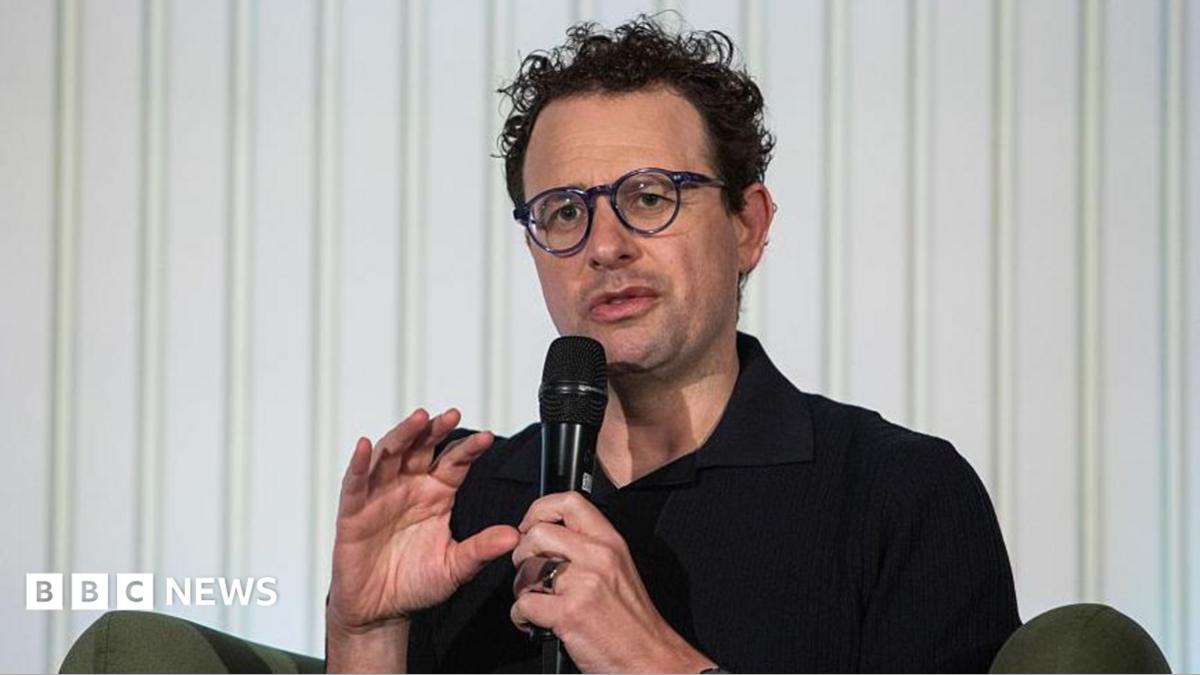
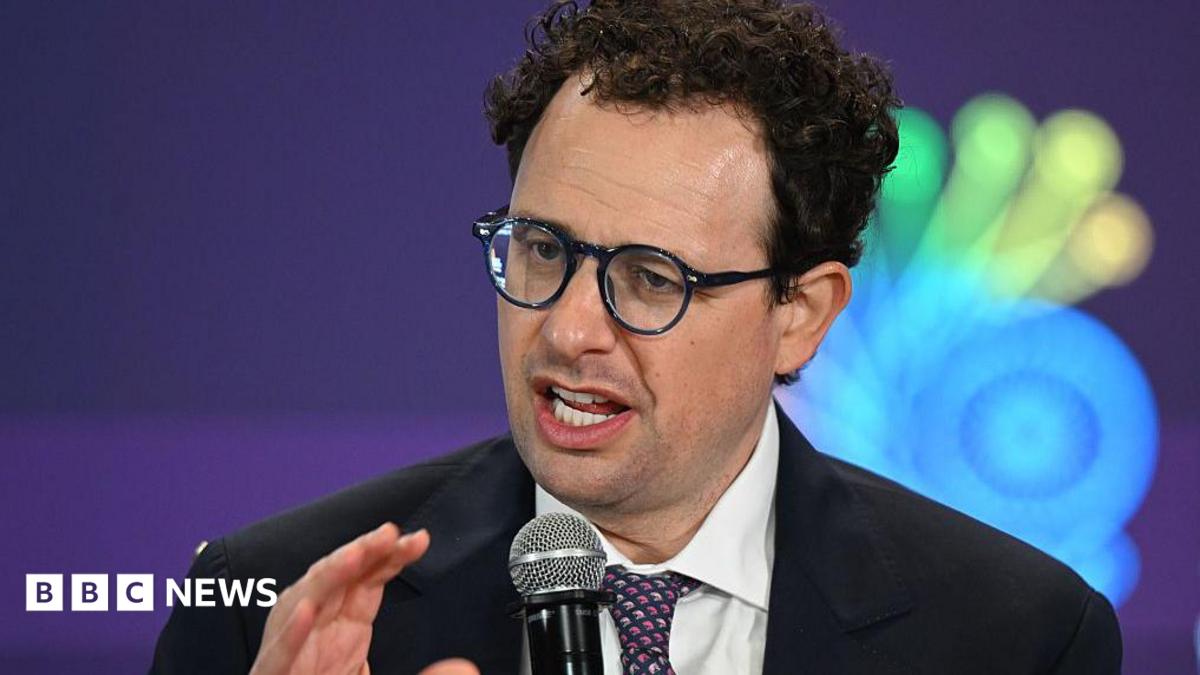
Last year, Anthropic backed the first wave of frontier AI safety laws in California and New York, securing new transparency requirements that much of Silicon Valley opposed. But according to Cesar Fernandez, Anthropic’s head of US state and local government relations, those laws are no longer sufficient. “The transparency-focused safety bills of 2025 were a really important start, but as the capabilities of AI systems continue to advance quickly—the policy responses need to match,” Fernandez told WIRED. He added, “We think that transparency and self reporting are no longer sufficient safety measures for the most powerful AI systems.”
Anthropic now supports an Illinois measure requiring AI labs to have their safety processes evaluated by third-party auditors. It also endorsed a Massachusetts policy that not only mandates third-party auditing but also empowers the state’s attorney general to seek injunctive relief from non-compliant companies. These state-level efforts aim to mitigate catastrophic AI risks, including the possibility that advanced models could contribute to financial disasters or mass deaths.
| State | Law / Measure | Key Requirement |
|---|---|---|
| California | 2025 transparency bill | Self-reporting of safety practices |
| New York | 2025 transparency bill | Self-reporting of safety practices |
| Illinois | Pending measure | Third-party auditor evaluation of safety processes |
| Massachusetts | Endorsed policy | Third-party auditing + AG injunctive relief |
Anthropic's Rationale
Anthropic’s pro-regulation stance is unusual for a startup that has reached a nearly $1 trillion valuation. The company’s leaders believe they must build a massive business around advanced AI to fulfill its founding mission: “to ensure that the world safely makes the transition through transformative AI,” as WIRED has previously reported. Fernandez joined Anthropic earlier this year after serving in state government relations roles at FanDuel and Uber, experience that will be valuable as Congress continues to stall on federal AI regulation and states take the lead.
Accusations of Regulatory Capture
Not everyone is convinced by Anthropic’s motives. David Sacks, the former White House AI czar and current technology adviser to President Donald Trump, has claimed the company is pursuing a “sophisticated regulatory capture strategy based on fear-mongering.” In a social media post last year, Sacks wrote: “Anthropic is running a sophisticated regulatory capture strategy based on fear-mongering. It is principally responsible for the state regulatory frenzy that is damaging the startup ecosystem.”
Fernandez outrightly denied the accusation, noting that Anthropic has only supported state AI bills that apply to “large AI model developers” — a term defined differently in each bill but generally referring to companies that have spent hundreds of millions of dollars on AI development and have more than $500 million in annual revenue. “It’s hard to imagine a startup meeting that threshold,” Fernandez said. However, emerging startups like Safe Superintelligence, Thinking Machines Lab, and Mistral have each raised billions of dollars, though their revenue remains far lower than Anthropic’s, suggesting that some future competitors could soon fall under the same regulations.
Implications for AI Companies
The debate highlights a growing tension between AI safety advocates and startup ecosystem defenders. Anthropic’s approach could set a precedent for state-level regulation that larger players may find easier to comply with while smaller entrants struggle. With Congress stalled, states are likely to continue proposing a patchwork of laws, meaning AI companies of all sizes will need to track and adapt to rapidly evolving rules across multiple jurisdictions.