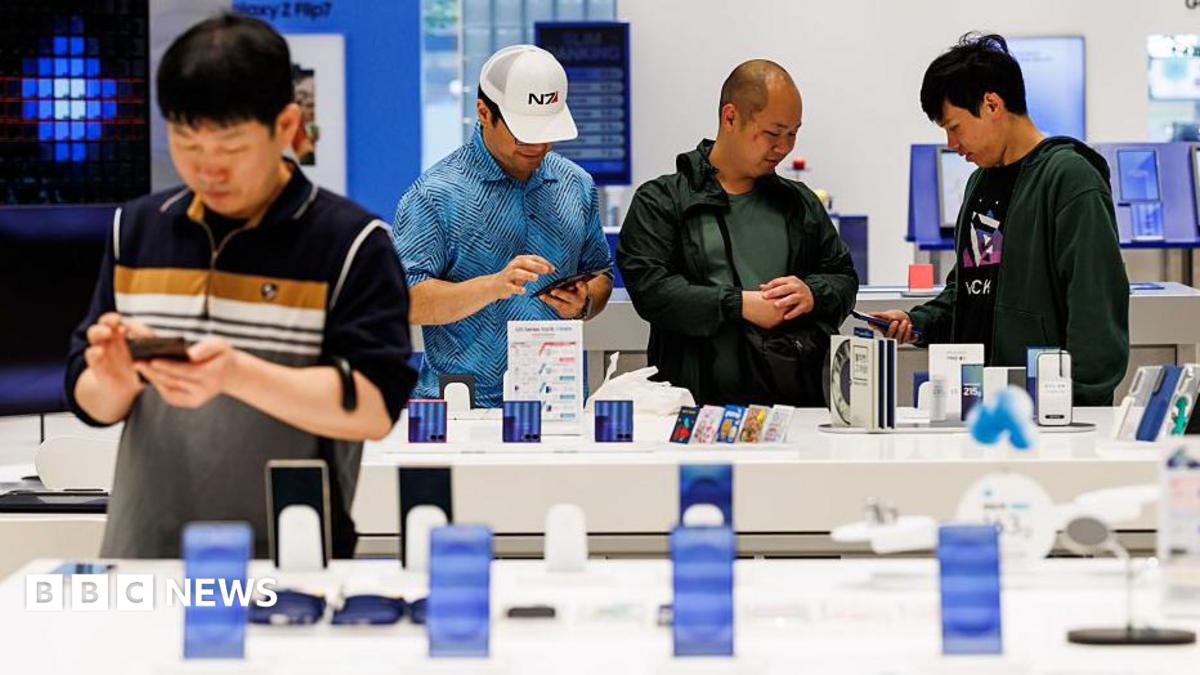
The upcoming India-Japan Annual Summit is set to prioritise artificial intelligence (AI), semiconductors, and clean energy as part of a broader push to diversify supply chains, according to people familiar with the matter reported by the Economic Times. New Delhi and Tokyo have identified semiconductors, critical minerals, pharmaceuticals, clean energy, and information and communication technology as strategic collaboration priorities, signalling a technology-driven shift in bilateral economic ties.
Supply Chain Diversification Targets Semiconductors and Critical Minerals
Both nations have been laying groundwork through formal agreements. In July 2023, India and Japan signed a memorandum of cooperation on semiconductor supply chains. More recently, in August 2025, the two countries signed a memorandum of cooperation on mineral resources, with the first joint working group under that agreement meeting virtually in April 2026. These pacts aim to reduce dependency on concentrated supply sources and build resilient tech supply chains.
The summit is expected to advance these efforts, with a focus on AI and chips—technologies critical to modern logistics, trade digitisation, and manufacturing automation. For enterprise technology buyers, this signals potential cost reductions and reliability improvements in semiconductor and critical mineral sourcing over the next two to three years.
Bilateral Trade and Investment Flows
Bilateral trade between India and Japan crossed $27 billion in 2025-26, according to the source. Japan is India's fifth-largest investor, with cumulative investment of $48.17 billion between April 2000 and March 2026. Approximately 1,500 Japanese companies are registered in India today.
| Metric | Value |
|---|---|
| Bilateral trade (2025-26) | >$27 billion |
| Cumulative Japanese investment (Apr 2000 – Mar 2026) | $48.17 billion |
| Japanese companies registered in India | ~1,500 |
| Japanese firms planning expansion (JETRO FY25 survey) | 81.5% |
| Years India ranked top long-term business destination (JBIC survey) | 15 consecutive |
A JETRO survey for FY25 found that 81.5% of Japanese-affiliated companies in India plan to expand operations over the next one to two years. The Japan Bank for International Cooperation (JBIC) survey ranked India as Japan Inc's leading long-term overseas business destination for the 15th consecutive year. At the 15th Annual Summit, the two countries set a target of ¥10 trillion in private investment from Japan to India, with progress continuing.
Private Sector Engagement and Industrial Townships
To facilitate business setup, eleven Japan industrial townships exist across eight Indian states. These industrial clusters support Japanese companies in sectors ranging from automotive to electronics.
Ahead of the summit, the second India-Japan Economic Security Dialogue was held in May, led by foreign secretary Vikram Misri on the Indian side and vice ministers from Japan's Ministry of Foreign Affairs and Ministry of Economy, Trade and Industry. The first private sector dialogue on economic security between Keidanren and the Confederation of Indian Industry (CII) took place on March 26.
For CTOs and supply chain technology managers, the growing Japanese corporate presence and investment in India opens opportunities for joint ventures in logistics tech, trade finance platforms, and customs digitisation. The focus on AI and semiconductors at the summit underscores a commitment to technology-led supply chain resilience—a priority for enterprise buyers facing global disruptions.
Sources: