Earlier this month at Vivatech, the huge tech conference in Paris, a single fear dominated discussions: the prospect of Europe ending up stuck using American AI, trained on American values, according to a report by WIRED's Steven Levy. While the US and China are locked in an AI arms race, France and Germany—which consider their engineering talent second to none—feel boxed out. They are demanding to be heard and touting plans to address the situation. The word “sovereignty” was so pervasive that one would be pickled within three hours if it were a drinking game, Levy wrote.
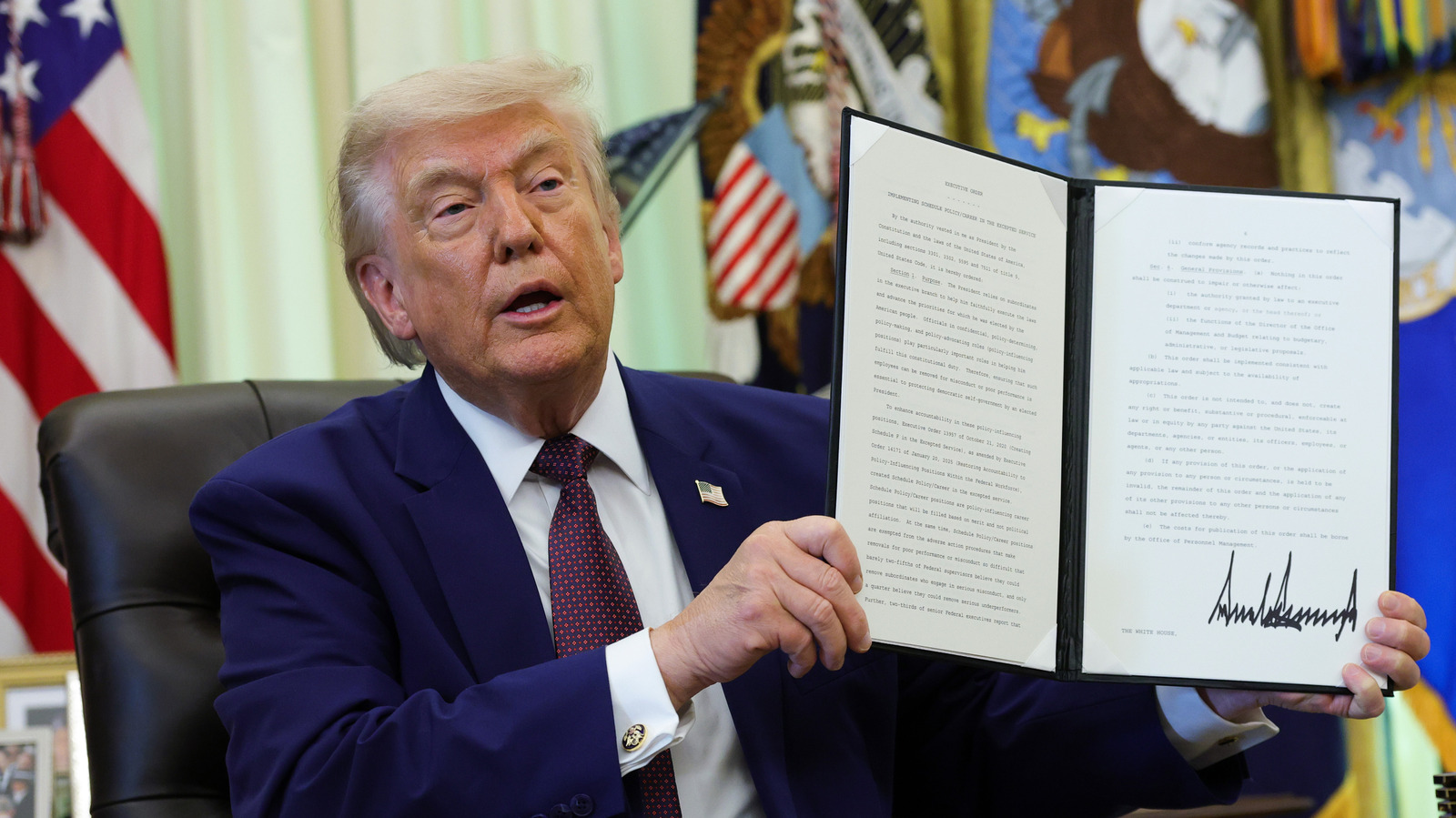
The investment gap is stark. One statistic heard several times at Vivatech was that Anthropic's recent $65 billion fund-raise was more than the entire sum invested in European and UK AI startups last year. Actual results reported by the EU seem to bear this out. Nonetheless, sovereignty discussions at Vivatech were infused with hope. Optimists cited significant new funding, collaborative efforts, and next-generation technology that might not be as resource-intensive as leading large language models. Several cited a wild card: Donald Trump's administration.
Vivatech overlapped with the G7 conference in Evian-les-Bains, France, where French president Emmanuel Macron lectured AI executives on sovereignty. If the US continued its nationalistic AI path, Macron said, France would take steps to go it alone. Aiden Gomez, CEO of Toronto-based Cohere, also conveyed urgency. “We need to ensure that a democracy occupies the number two position, and that's not true today,” Gomez told Levy at Vivatech. “I think the G7 understands that we need a diverse supply chain of AI providers.”
Macron's Choose France Initiative
Macron's “Choose France” initiative has won pledges of over 100 billion euros in AI infrastructure, anchored by Softbank's 75 billion-euro commitment to build huge data centers in France—pending approvals.
Cohere's Sovereign-First Partnerships
Gomez told Levy that Cohere is stitching together a multinational chain of partnerships, beginning with one with the German AI firm Aleph Alpha. The idea is to pool resources in both engineering and infrastructure for a “sovereign-first” approach. “A few weeks ago, I was with the king of Spain to sign an MOU with Indra, which is the largest tech company in Spain,” Gomez said.
Project Tapestry: An Open Foundation Model
Yann LeCun, the AI pioneer who recently resigned as Meta's chief AI scientist, is pursuing Project Tapestry, a massive effort among governments and private industry to join forces in building a state-of-the-art frontier foundation model. “The governments of the world all want AI sovereignty,” LeCun said. “The only way I can see this happening is if there’s an open, free foundation model, on top of which anybody can build their own specialized assistant for their own language, culture, value system, and political biases.”
The Trump Factor
While these plans appear reasonable, they seem similar to previous failed efforts to elevate European tech. But in 2026, there’s a new element: the Trump administration's clumsy policies that make the status quo utterly intolerable, according to the WIRED report. For generations, the US has lured Europe’s best scientists; they now feel unwelcome, and European enrollment in US universities is reportedly declining.
| Initiative | Key Player | Investment / Scope |
|---|---|---|
| Choose France | Emmanuel Macron | €100 billion (including Softbank's €75 billion) |
| Cohere & Aleph Alpha Partnership | Aiden Gomez | Multinational engineering & infrastructure pooling |
| Project Tapestry | Yann LeCun | Open foundation model, governments & private industry |
For enterprise technology decision-makers, the push for European AI sovereignty could reshape the supply chain of AI providers. A more diverse, sovereign-first ecosystem may offer alternatives to US-dominated platforms, potentially affecting procurement strategies in logistics, trade finance, and customs technology. However, the challenges remain immense: more than 20 nations would need to work closely, overcome red tape, and shift from a risk-averse to a moonshot mentality, as the WIRED article notes.