
iGEN
Visit IGEN World Explore IGEN Expo
EXPLORE UPGRADE PLANS
BREAKING
FCC Bans Foreign-Made Robot Vacuums Over National Security Risks Apple Warns of 'Significant' Supply Constraints for Mac, iPhone, and iPad India seeks to cut reliance on imported strawberry varieties with indigenous breeding Burnham Confirms Pragmatic North Sea Oil Stance in Trump Call, Fueling Drilling Debate Leaked Memo Links Iranian Hackers to Minnesota Water Utility Cyberattacks Everyone Is Freaking Out About OpenAI and Anthropic’s Race for Dominance Govt Debunks AI-Generated Fake Video of Finance Minister Nirmala Sitharaman Promoting Investment Scheme UPS Unveils Digital Tools to Attract Small Businesses Amid Strategic Shift from Low-Margin E-Commerce CPKC sets second-quarter revenue record as operating income rises 10% Your Freight Funnel Is Leaking Margin: What Your Reports Won't Show FCC Bans Foreign-Made Robot Vacuums Over National Security Risks Apple Warns of 'Significant' Supply Constraints for Mac, iPhone, and iPad India seeks to cut reliance on imported strawberry varieties with indigenous breeding Burnham Confirms Pragmatic North Sea Oil Stance in Trump Call, Fueling Drilling Debate Leaked Memo Links Iranian Hackers to Minnesota Water Utility Cyberattacks Everyone Is Freaking Out About OpenAI and Anthropic’s Race for Dominance Govt Debunks AI-Generated Fake Video of Finance Minister Nirmala Sitharaman Promoting Investment Scheme UPS Unveils Digital Tools to Attract Small Businesses Amid Strategic Shift from Low-Margin E-Commerce CPKC sets second-quarter revenue record as operating income rises 10% Your Freight Funnel Is Leaking Margin: What Your Reports Won't Show
Home ›› Technology ›› Ai ›› Ai Regulation ›› Trump's AI Memo Accelerates Military Adoption of Frontier Models with New Restrictions

Trump's AI Memo Accelerates Military Adoption of Frontier Models with New Restrictions

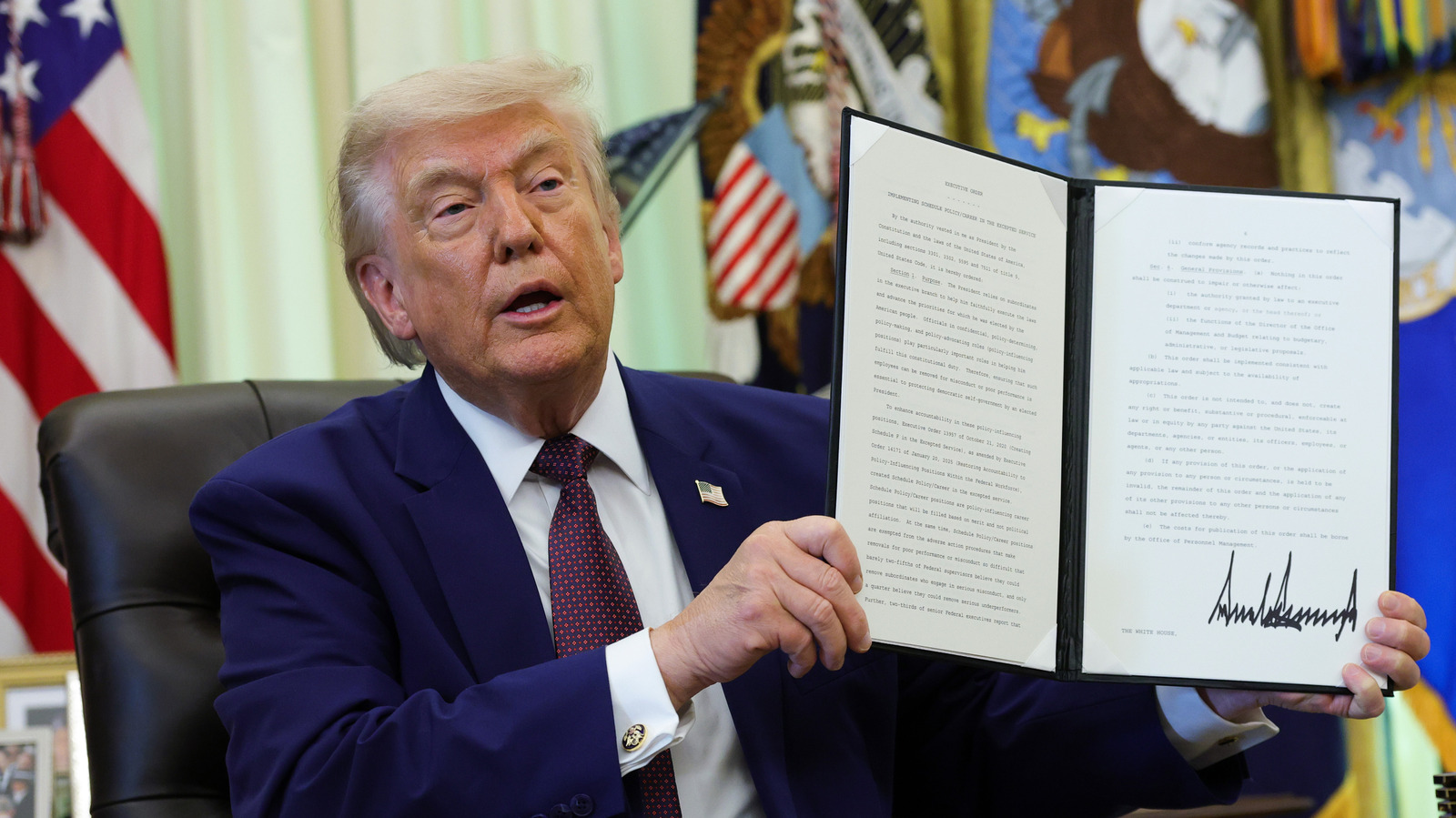
President Trump signed a National Security Presidential Memorandum on Friday to accelerate AI adoption across federal defense agencies, mandating rapid onboarding of frontier models from multiple vendors. The memo requires the Secretary of Defense to update autonomous weapons directives and introduces a restriction preventing entities from disabling or modifying AI systems used by the military without prior approval. It also prohibits defense agencies from creating AI that censors free speech or embeds ideological bias.

iG
iGEN Editorial
June 14, 2026
Trump's AI Memo Accelerates Military Adoption of Frontier Models with New Restrictions

Less than a week after signing an executive order to regulate the booming AI industry, President Trump has issued a National Security Presidential Memorandum that puts cutting-edge artificial intelligence into the hands of the U.S. military. The memo, signed on Friday, establishes a framework to "accelerate AI adoption" across a network of federal defense agencies and "adapt the best commercial and open-source technologies for mission use," according to Engadget.

Accelerated Onboarding of Frontier AI Models

The memo directs the U.S. government to conduct "rapid onboarding of the most advanced AI models from multiple vendors." This move is designed to give the military access to the latest commercial breakthroughs quickly. Michael Kratsios, director of the White House Office of Science and Technology Policy, said on X: "The men and women who defend our nation deserve the best, most secure and most reliable AI in the world, and our citizens deserve to know it is handled responsibly with the care and seriousness they expect."

In addition, Secretary of Defense Pete Hegseth must issue an updated directive on autonomous weapon systems, though the specific content of that directive has not been detailed.

New Restriction on Model Modification

A key provision in the memorandum introduces a restriction that "no entity, commercial or otherwise, can disable, degrade or modify an AI system that American warfighters depend on without prior approval." This means companies supplying AI models to the military cannot alter systems after deployment without government consent, ensuring stability and security for operational use.

Limits on Surveillance and Bias

The memo includes a limitation: defense agencies cannot create or release an AI model designed to "censor free speech, embed ideological bias or conduct unlawful surveillance against the American people." However, the administration remains interested in influencing "frontier models" — earlier that week, Trump's executive order granted the U.S. government a 30-day window to review such models before public release.

Key Provisions at a Glance

Provision Detail
Onboarding Rapid onboarding of most advanced AI models from multiple vendors
Autonomous weapons Secretary of Defense must issue updated directive
Modification restriction No entity can disable, degrade, or modify military AI systems without prior approval
Prohibited AI uses Censoring free speech, embedding ideological bias, unlawful surveillance
Frontier model review 30-day government review window before public release (from executive order)

Implications for Enterprise Technology Leaders

For CTOs and technology procurement leaders, the memo signals that the Department of Defense will aggressively seek commercial AI models while tightening control over their lifecycle. Companies selling AI to the government must prepare for the restriction on post-deployment modifications, which affects update cycles and patch management. The emphasis on "multiple vendors" suggests an open-architecture approach, potentially benefiting startups and established providers alike. The review window for frontier models may also influence how vendors manage release timelines and government compliance.


Sources: Engadget – Main Feed

Keep Reading

Recommended Stories

Trump Signals Shift Toward AI Controls After OpenAI Hacking Incidents Technology

Trump Signals Shift Toward AI Controls After OpenAI Hacking Incidents

US President Donald Trump said his administration is considering stricter controls on artificial intelligence after OpenAI took responsibility for at least two hacking incidents. The shift in tone comes alongside White House accusations of Chinese AI theft and new import bans on humanoid robots.

July 30, 2026
Humanoid Robot Startup Backed by Eric Trump Prepares Bots for Military Combat Technology

Humanoid Robot Startup Backed by Eric Trump Prepares Bots for Military Combat

Foundation Future Industries, a startup backed by Eric Trump, is developing humanoid robots for military combat, logistics, and reconnaissance. The company has government contracts worth millions and has tested its Phantom MK1 robot with Ukrainian forces. Experts remain skeptical about the feasibility of fully autonomous robot soldiers.

July 17, 2026
Former DeepMind Exec Warns AI Arms Race Framing Could Lead to Disaster Technology

Former DeepMind Exec Warns AI Arms Race Framing Could Lead to Disaster

Verity Harding, former head of global public policy at Google DeepMind, argues in her new essay anthology that the metaphor of an AI arms race is fundamentally dangerous. She warns that framing AI as a lethal weapon undermines international cooperation and could lead to a worst-case scenario, citing the Trump administration's nationalist rhetoric and export controls as symptoms.

July 8, 2026
Europe Pushes for AI Sovereignty to Avoid Dependence on US and China Technologies Technology

Europe Pushes for AI Sovereignty to Avoid Dependence on US and China Technologies

At the Vivatech conference in Paris, European leaders and AI executives voiced urgent demands for AI sovereignty, fearing dependence on US and Chinese technologies. Efforts include Emmanuel Macron's €100 billion infrastructure pledges, Cohere's cross-border partnerships, and Yann LeCun's Project Tapestry for an open foundation model. The Trump administration's policies are cited as a catalyst for European tech ambitions.

June 26, 2026