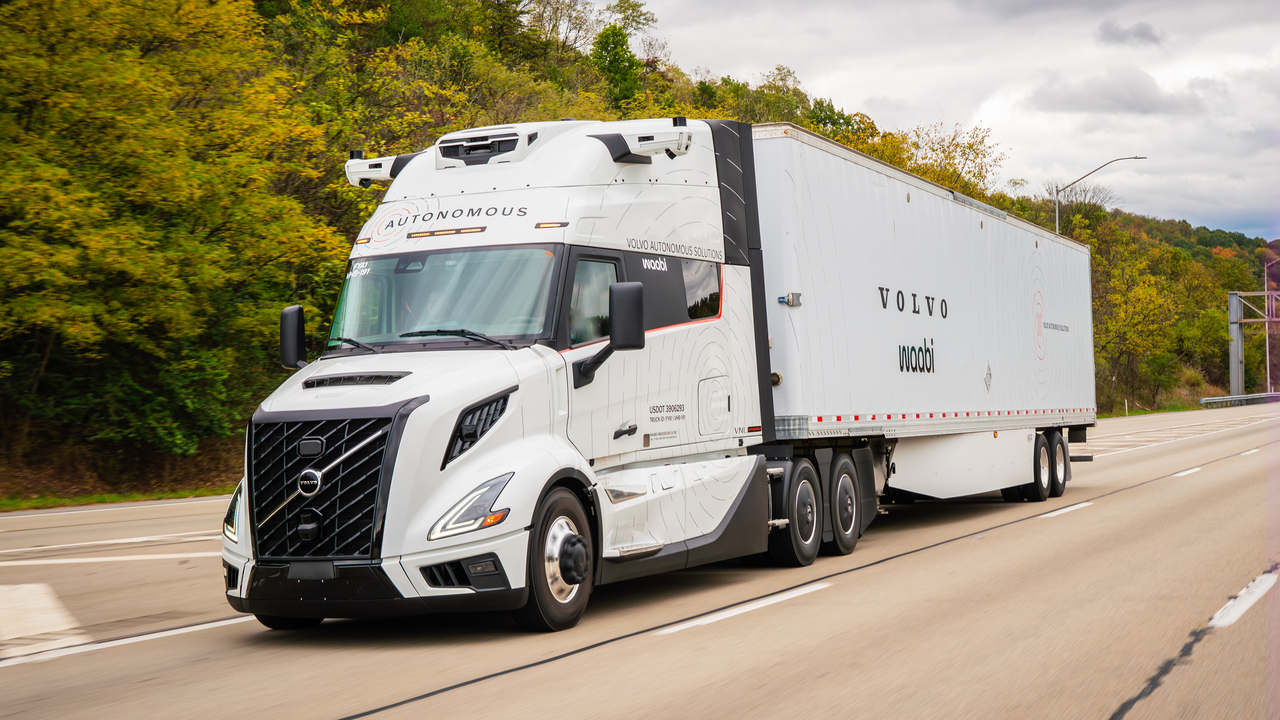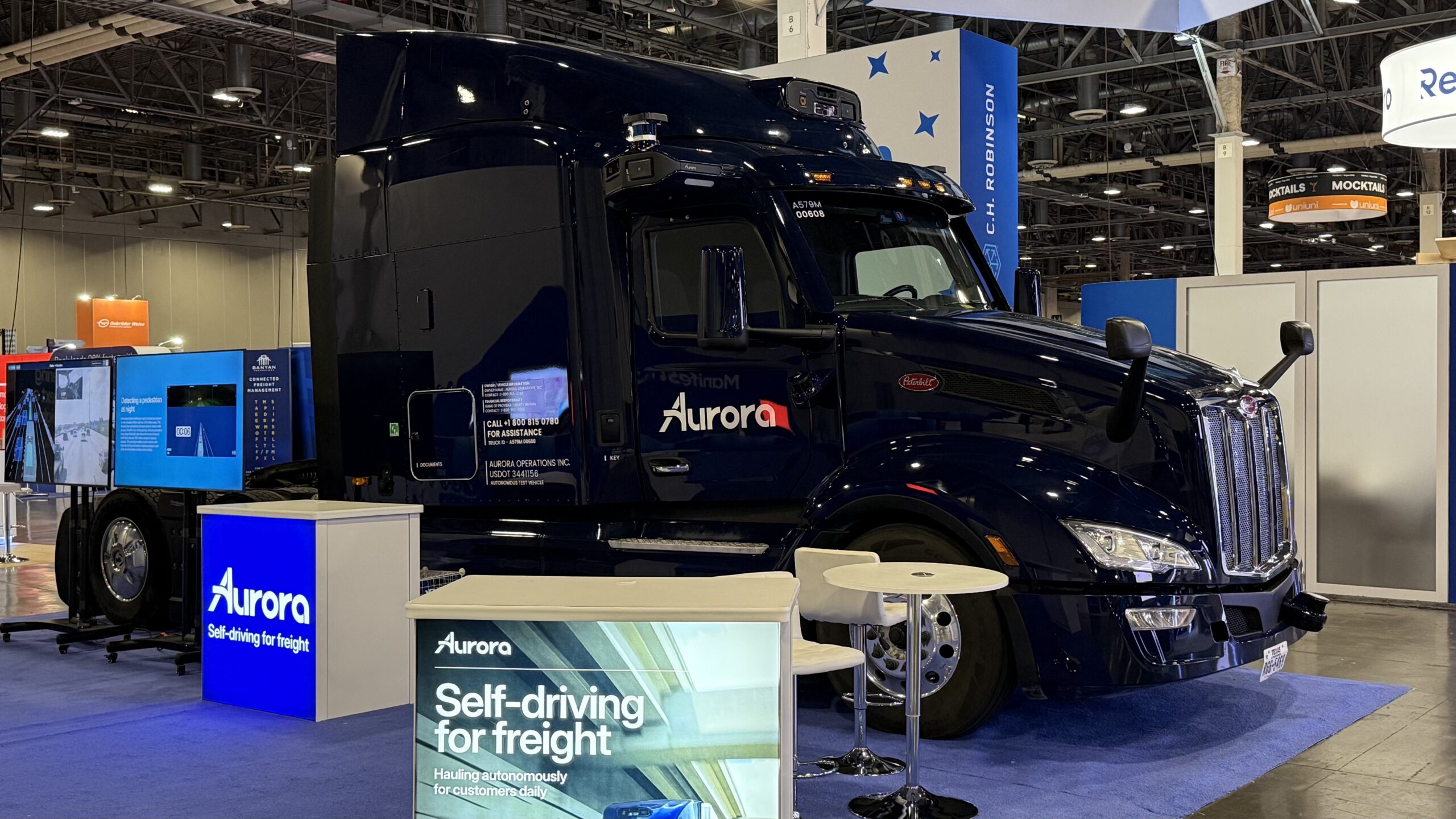
Autonomous trucking developer Aurora Innovation (NASDAQ: AUR) reported a second-quarter net loss of $270 million on $2 million in revenue, according to FreightWaves. Executives restated the driverless truck rates behind the two business models the company is selling to carriers and shippers.
Two business models, two price points
Chief Financial Officer David Maday said Aurora's transportation-as-a-service (TaaS) offering carries a per-mile revenue outlook in the $2-plus-per-mile range, while its driver-as-a-service (DaaS) subscription targets $0.85+ per mile, according to FreightWaves. Maday said the company had put both figures out previously.
The gap between those two numbers is the practical question for any fleet weighing autonomous capacity. Under TaaS, Aurora holds a U.S. Department of Transportation operating authority, controls the truck, carries the insurance, and bills a full-service rate. Under DaaS, according to the company's Form 10-Q, customers "acquire, manage, and maintain fleets directly, while subscribing to the Aurora Driver and a suite of related services."
| Business model | Per-mile revenue outlook | Operating responsibility |
|---|---|---|
| Transportation-as-a-Service (TaaS) | $2+ per mile | Aurora holds DOT authority, controls truck, carries insurance, bills full-service rate |
| Driver-as-a-Service (DaaS) | $0.85+ per mile | Customer acquires, manages, maintains fleet; subscribes to Aurora Driver and services |
Maday explained the margin trade-off: "Obviously the TaaS deals have a higher per mile revenue outlook because it's the full service. As we've said before, kind of in that $2 plus range, whereas DaaS is targeting the $0.85 plus. There's a substantial difference in TaaS versus DaaS on a revenue side, but there's also a substantial difference on the cost side and on the margin side."
Financial results
Aurora's net loss amounted to 14 cents a share, wider than the 12-cent average of analysts' estimates, FreightWaves reported. Revenue rose 100% from $1 million a year earlier, which the company attributed in its Form 10-Q to increased utilization, geographical expansion, and higher fuel surcharges.
Transition to DaaS begins in 2027
Aurora describes the shift as customer-by-customer rather than a single cutover. "For every customer that we sign up with a Transportation as a Service agreement, it is with the intent to then move into the Driver as a Service in the following year. That's why we're actively working with multiple folks," Maday said. "If you're a Transportation as a Service customer today, we would expect that you'll start to add Driver as a Service business model in 2027."
The anchor for that transition is Hirschbach Motor Lines. CEO Chris Urmson said the Iowa-based refrigerated carrier is expected to put 500 tractors into its fleet across 2027 and 2028 under a memorandum of understanding announced in April, and that the agreement will set the template for later deals. Final commercial terms and a binding agreement were expected to close later this year. Hirschbach runs 2,948 power units, so the commitment amounts to roughly a sixth of its fleet.
"That really will create the framework for the rest of the partnerships that we have in the space. Customers want to own these assets. They want to see the benefit from it." — Chris Urmson
Insurance moves with the model
Maday said Aurora carries coverage on every truck today because it is the DOT authority holder under TaaS, and that per-truck rates reflect the system's safety record. "When we shift over into Driver as a Service, this is an opportunity for both sides. For our customers, it's an opportunity for them to have an increased level of confidence and reduce incidents in safety and coverage for them. All things that they don't have today."
Volvo economics stay under wraps
Analysts pressed for more detail on the economics with Aurora's OEM partner, Volvo, and got little. Morgan Stanley's Ravi Shanker asked whether Volvo, which projects $3 billion in autonomous revenue within five years on trucks running the Aurora Driver, had shared the math behind that target. "We certainly can't share anything of Volvo's model with you," Urmson said, adding that Aurora has a clear understanding of the economic arrangement between the two companies.
Sources: