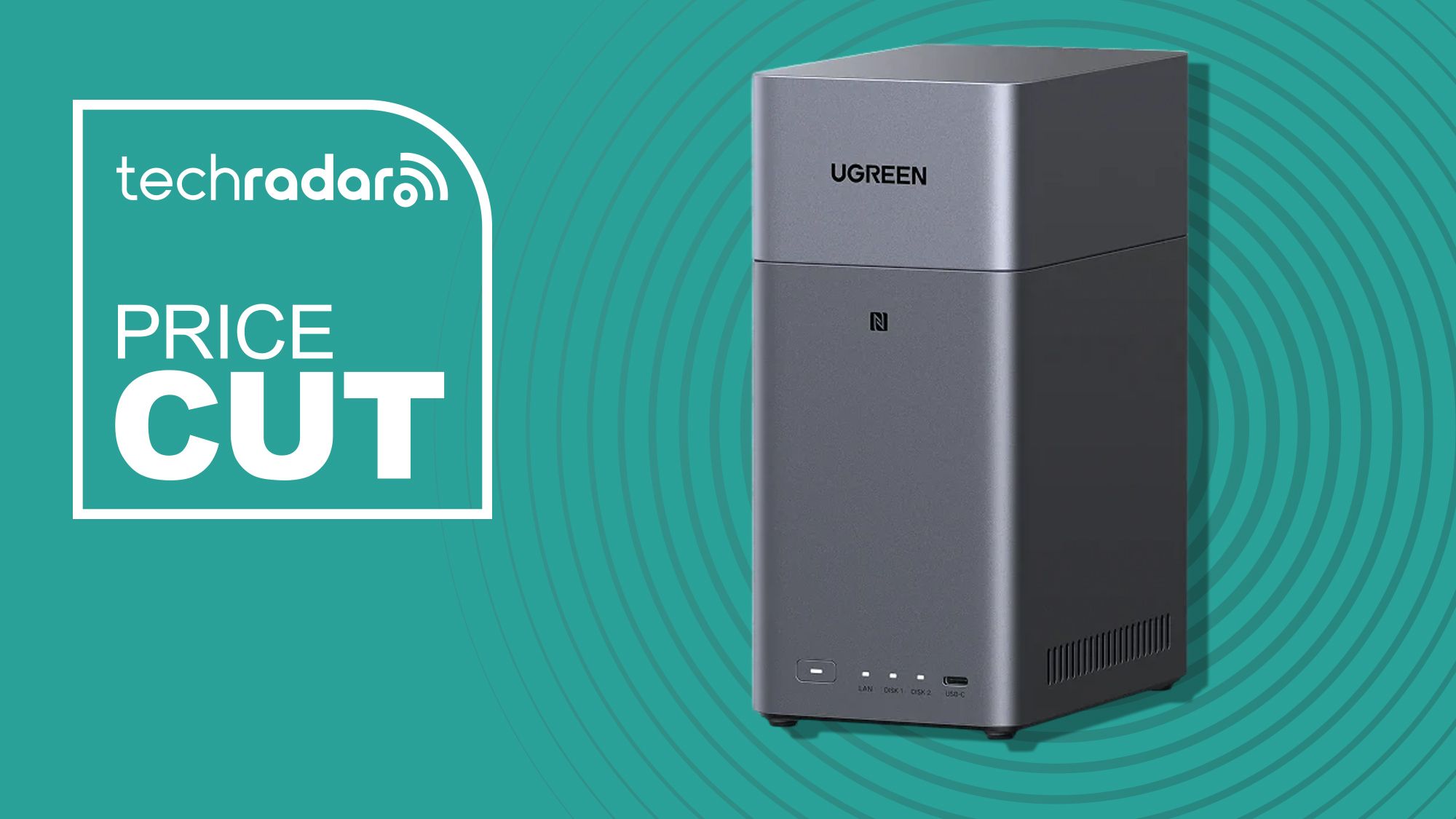
In the complex world of enterprise IT, Network Attached Storage (NAS) has for decades been regarded as something like a digital filing cabinet: reliable, predictable and for the most part passive. According to TechRadar, it has been considered essential, but not strategic. However, as artificial intelligence reshapes how organizations create, analyze, and act on data, NAS is undergoing a fundamental transformation. It is rapidly becoming an active, intelligent processing layer that sits at the heart of modern data infrastructure.
From passive vault to active processing hub
Like filing cabinets, traditional NAS systems were designed for easy file storage and retrieval. Modern AI-ready systems, by contrast, can actually understand them, TechRadar reported. Equipped with integrated GPUs and neural processing units (NPUs), these systems can now index, tag, and analyze data where it resides. Instead of sending data to external platforms for processing, organizations can now run AI workloads directly on their storage infrastructure. This architectural redesign affects not just performance, but governance, cost, and risk.
Controlling agent sprawl
One of the more underappreciated risks of the AI boom is agent sprawl. AI tools, bots, and assistants are proliferating rapidly and are often deployed with little oversight, creating fragmented data environments and introducing security vulnerabilities. According to TechRadar, new AI-ready NAS systems can contain this sprawl by centralizing data and AI capabilities into a single controlled environment. IT teams retain visibility and control over how AI interacts with sensitive information. Instead of data flowing outward to multiple third-party services, intelligence is kept within the system, reducing the risk of unauthorized access. This consolidation simplifies governance, reduces duplicated efforts, and creates a single source of truth for enterprise data.
Performance gains and cost benefits
Performance is another area where AI-assisted NAS is rewriting expectations. With localized processing, organizations eliminate latency caused by sending data to remote cloud servers. The same is true for shared queues, bandwidth bottlenecks, and “noisy neighbors” competing for resources. Data-intensive workloads such as 8K video editing, large-scale analytics, or real-time AI inference see the greatest impact. Users experience immediate responsiveness, even when working on massive files, according to TechRadar. Additionally, because the infrastructure is owned rather than rented, enterprises can shift from unpredictable monthly cloud costs to a one-time capital investment in hardware. Running AI workloads locally also reduces constant data center communication, cutting both bandwidth usage and energy consumption. As sustainability becomes a board-level priority, this offers a significant advantage.
| Aspect | Traditional NAS | AI-Ready NAS |
|---|---|---|
| Role | Digital filing cabinet, passive | Active intelligent processing layer |
| Processing | Data sent to external platforms | AI workloads run locally with GPUs/NPUs |
| Security | Data flows outward to multiple services | Centralized, controlled environment |
| Cost | Unpredictable monthly cloud costs | One-time capital investment |
| Performance | Latency from remote servers | Immediate responsiveness, low latency |
| Governance | Fragmented data environments | Single source of truth, simplified governance |
Intervening earlier in the data lifecycle
But arguably the most transformative aspect of AI-ready NAS is its ability to intervene earlier in the data lifecycle. TechRadar noted that organizations are awash in data, much of it generated internally and much more streaming in from outside. For many businesses, the cost of organizing and extracting value from it is rising above the value of the data itself. Making existing information usable quickly, securely, and intelligently has become more valuable than generating new data. That is why forward-looking leaders are reimagining AI-assisted NAS as a critical enabler. The Product Director for Workstation and NAS at MINISFORUM echoed this sentiment, though the source did not provide a direct quote. By enabling local AI inference and processing at the point of storage, AI-ready NAS systems help organizations derive value from data before it is ever moved or duplicated, reducing overhead and accelerating decision-making.
For CTOs and technology procurement leaders evaluating enterprise storage, the shift to AI-ready NAS represents a strategic opportunity to consolidate infrastructure, improve security posture, and achieve measurable cost savings. As AI adoption accelerates, the ability to run workloads locally on NAS hardware will become a key differentiator for enterprises seeking to balance performance, governance, and total cost of ownership.
Sources: