South Korean technology giant Samsung Electronics has posted its highest-ever quarterly operating profit, as the artificial intelligence (AI) boom continues to fuel demand for memory chips, especially those used in AI servers. According to the company's earnings report, Samsung reported an operating profit of 89.5 trillion won ($62 billion) for the April–June period, marking a more than 19-fold jump from the same period a year earlier. The results came a day after rival SK Hynix also announced record earnings, reflecting the chip industry's strong performance.
AI Chip Boom Drives Record Performance
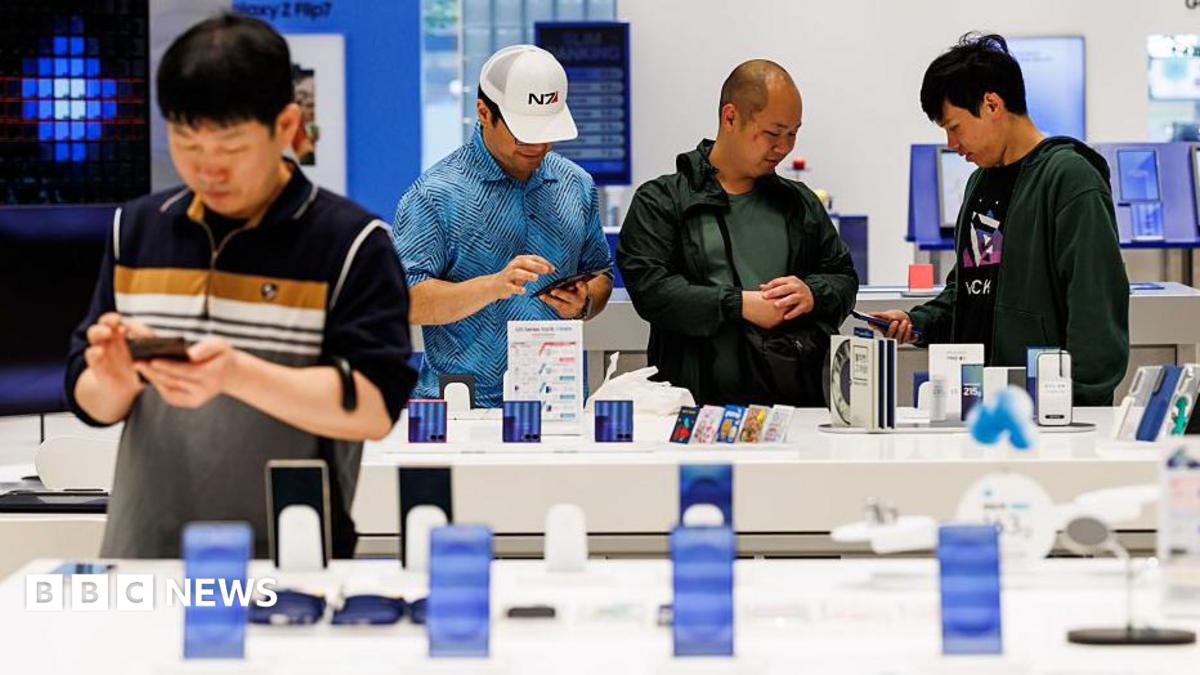
Samsung’s semiconductor division was the main contributor to its second-quarter performance, supported by rising chip prices, increased demand for AI servers, and higher shipments of advanced high-bandwidth memory (HBM) chips used in AI applications. The strong performance of the chip business helped counter an operating loss reported by Samsung’s mobile, television, and home appliances division, which was partly impacted by higher component costs.
Along with record operating profit, Samsung also reported its highest-ever quarterly revenue of 171.5 trillion won ($119 billion). The company expects demand for its memory products to remain strong in the second half of the year, supported by continued expansion of AI infrastructure and wider adoption of agentic AI.
“Demand for server chips is expected to accelerate further, keeping the market undersupplied,” Samsung said in a statement.
Competitive Landscape and Investment Concerns
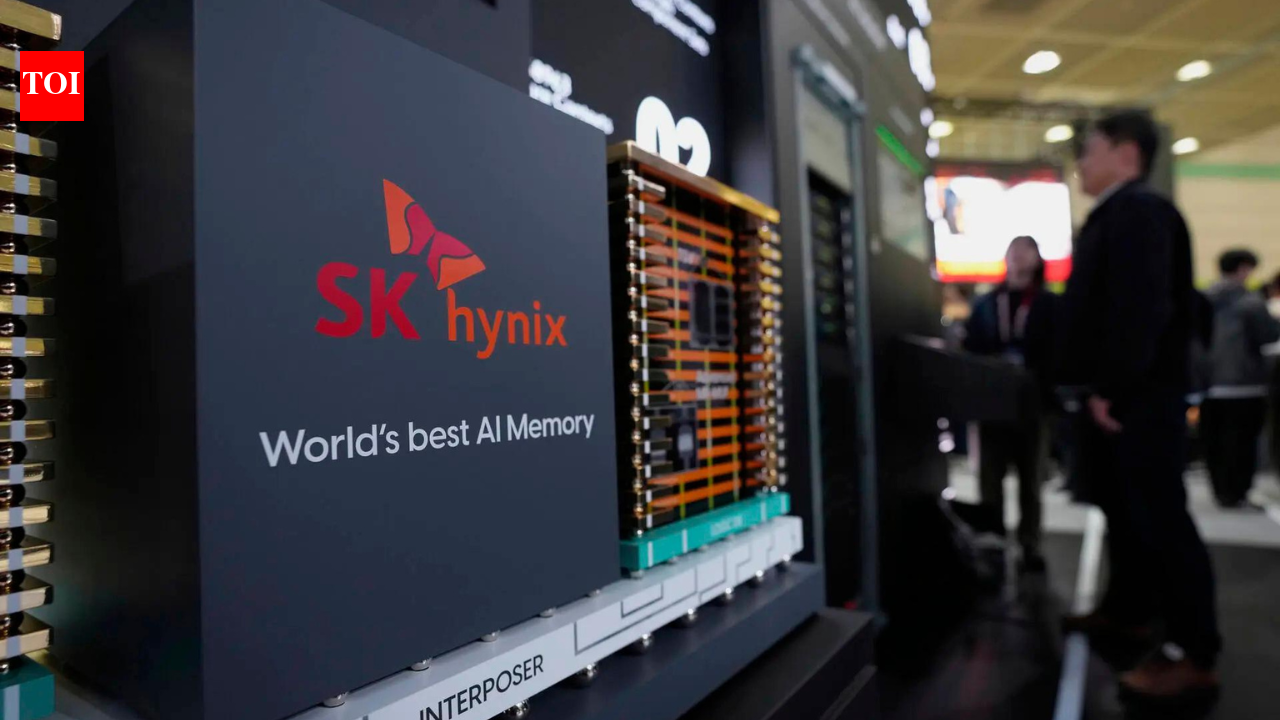
Samsung’s results followed SK Hynix’s announcement of record second-quarter revenue of 60.5 trillion won ($42 billion). However, even after clocking record-high profits, the figures still fell short of market expectations. SK Hynix’s shares fell by more than 9% on Wednesday, while Samsung’s stock also declined during the week. Together, Samsung and SK Hynix account for about two-thirds of the world’s memory chip production.
| Metric | Samsung Electronics | SK Hynix |
|---|---|---|
| Q2 Operating Profit | 89.5 trillion won ($62B) | — (revenue only) |
| Q2 Revenue | 171.5 trillion won ($119B) | 60.5 trillion won ($42B) |
| Stock Reaction | Declined during week | Fell >9% on Wednesday |
While AI demand has boosted the memory chip market, some analysts have expressed concerns about whether companies’ massive spending plans will deliver sufficient returns. Samsung and SK Hynix announced last month that they would invest a combined 800 trillion won ($554 billion) in a new chipmaking hub in South Korea’s southwest region to capitalise on rising AI-driven demand.
Investors have also been closely watching competition from China. Concerns increased after reports that a state-owned Chinese company had started mass-producing domestically developed immersion deep-ultraviolet (DUV) lithography machines, a key technology for advanced chip manufacturing. Investor sentiment was also affected by the strong stock market debut of Chinese memory chipmaker ChangXin Memory Technologies, according to some analysts.
Global AI Partnerships
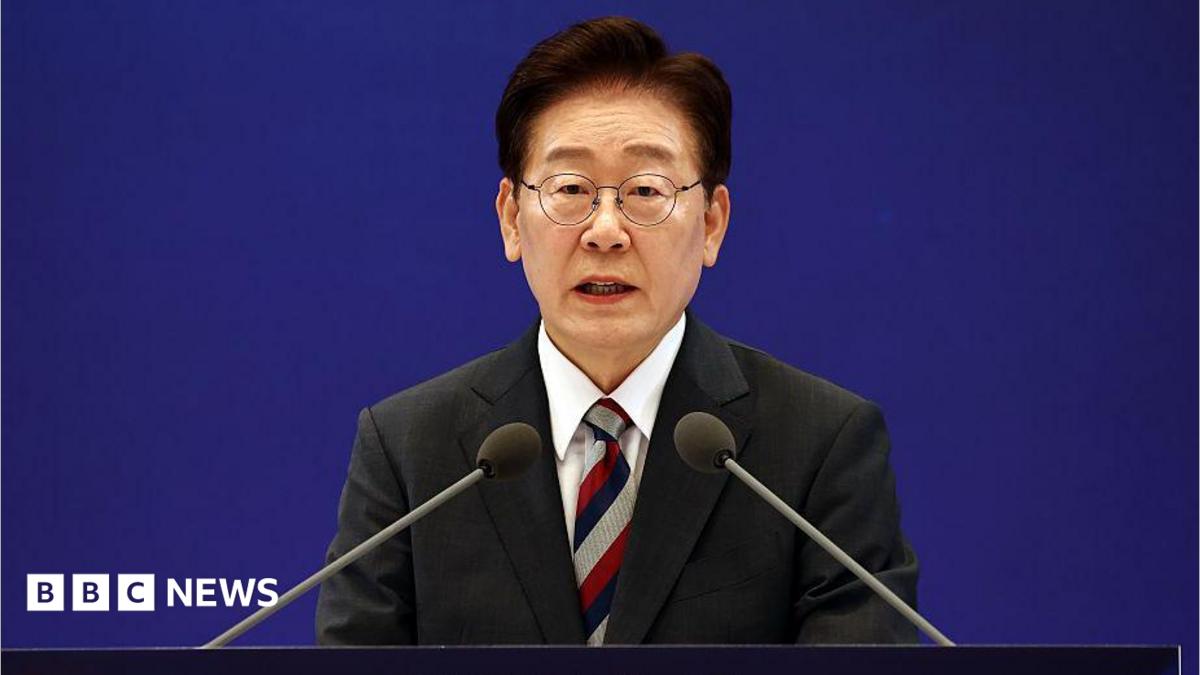
The push to expand AI-related semiconductor capabilities has also led South Korean technology companies to deepen cooperation with global technology firms. The chiefs of Samsung, SK (parent of SK Hynix), and South Korean automaker Hyundai joined President Lee Jae Myung during his San Francisco trip last week, where they announced hundreds of billions of dollars in planned cooperation with major US technology companies. The agreements involve AI companies OpenAI and others.
Sources: