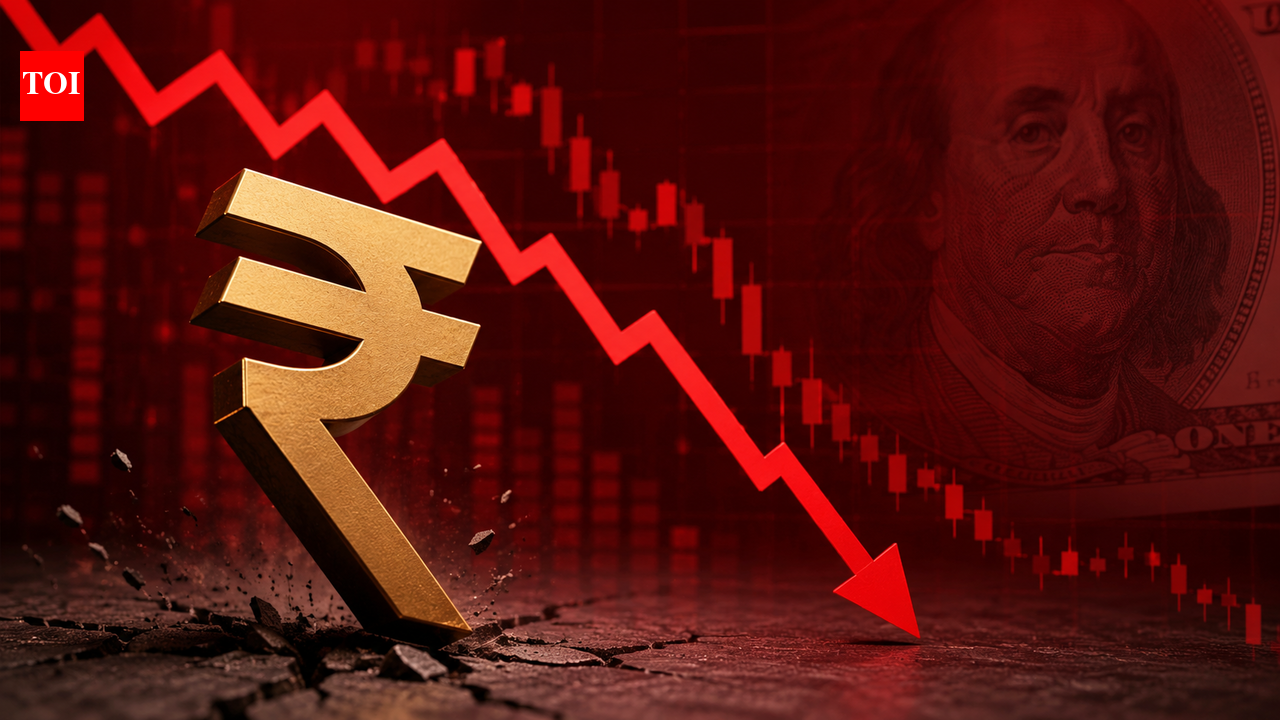
The Indian rupee opened on a weak note against the US dollar on Wednesday, surrendering the gains it made in the previous session, according to a Business-Today report. The currency began the day at 95.15 in the interbank foreign exchange market and slipped to 95.16 in early trade, a decline of 20 paise from its previous close of 94.96 against the greenback. On Tuesday, the rupee had ended 47 paise stronger.
Key Drivers of the Rupee's Decline
The dip came as crude oil prices rose once again and the US dollar continued to strengthen after fresh military action involving the US and Iran, forex traders said. Brent crude futures climbed 2.55% to $76.05 a barrel after the US launched fresh strikes on Iran following Tehran's attack on three ships in the Strait of Hormuz. The dollar index, which measures the US currency against a basket of six major currencies, edged up 0.06% to 101.08. Apart from higher oil prices, a weak opening at Dalal Street also weighed the currency down.
| Metric | Previous Close | Current Level | Change |
|---|---|---|---|
| USD/INR | 94.96 | 95.15 (open) | -0.20 (-0.21%) |
| Dollar Index | 101.00 (approx) | 101.08 | +0.06% |
| Brent Crude | $74.10 (approx) | $76.05 | +2.55% |
| BSE Sensex | 78,180.72 (approx) | 77,642.89 | -537.83 |
| NSE Nifty | 24,398.70 (approx) | 24,235.15 | -163.55 |
Commenting on the currency's movement, Anil Kumar Bhansali, Head of Treasury and Executive Director, Finrex Treasury Advisors LLP, said, "The rupee opened at 95.15 levels on Wednesday as the dollar index moved higher and Brent crude touched USD 76 levels with most Asian currencies also falling against the dollar." Bhansali also noted that the US Energy Information Administration (EIA) has projected Brent crude to average USD 74 per barrel in the third quarter of 2026, which is $27 lower than the forecast issued last month.
Impact on Trade Finance
For trade finance bankers and corporate treasury professionals, the rupee depreciation directly affects the cost of import transactions, particularly those denominated in US dollars. Importers who rely on Documentary Letters of Credit (LCs) will face higher settlement costs when converting rupee payments to USD. The 20-paise decline adds to the hedging costs for forward contracts and may compress margins for companies that have not fully hedged their foreign currency exposures.
While the source does not detail specific trade finance instruments, the strengthening dollar and rising oil prices are key factors that influence the pricing of supply chain finance programs and bank guarantees in the region. Importers of crude oil and other commodities will be especially sensitive to these moves. Businesses should review their FX hedging strategies and LC reimbursement timelines to mitigate the impact of further volatility.
Meanwhile, foreign institutional investors (FIIs) remained net buyers on Tuesday, purchasing equities worth Rs 393.19 crore, according to exchange data. This capital inflow provides some offset to the rupee's weakness but may not be sufficient to counter the geopolitical and oil price pressures.
Sources: