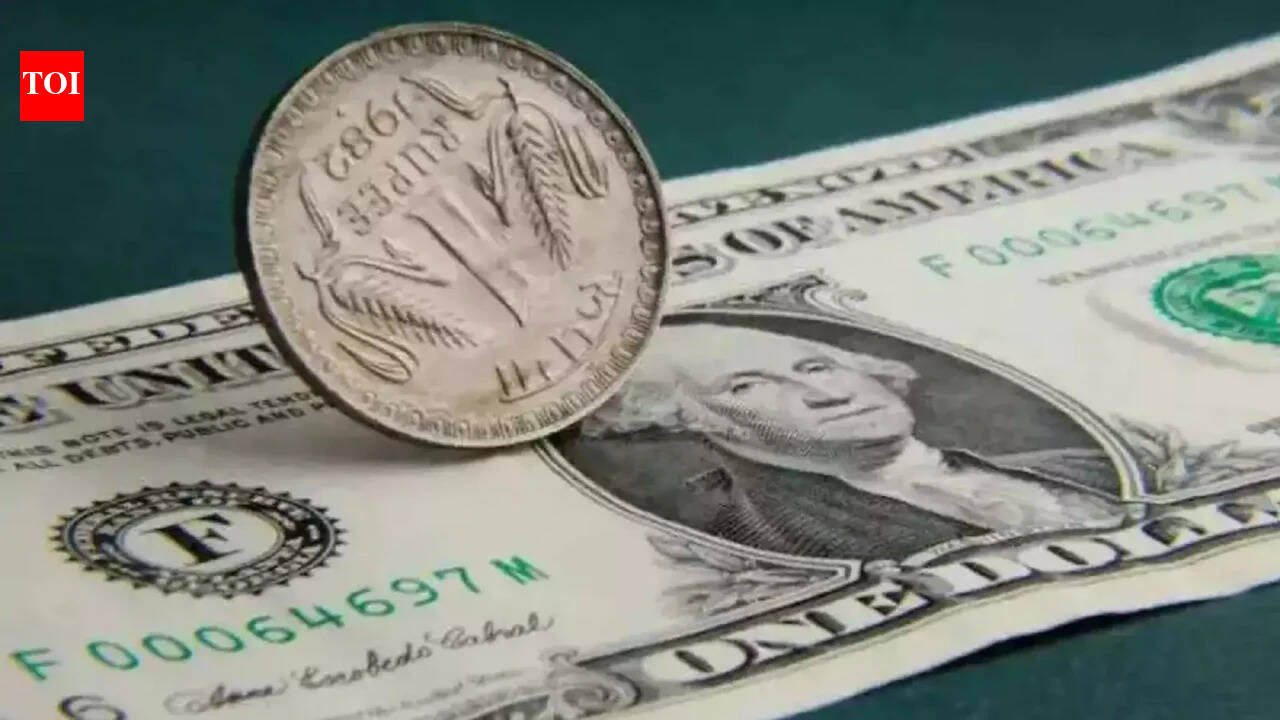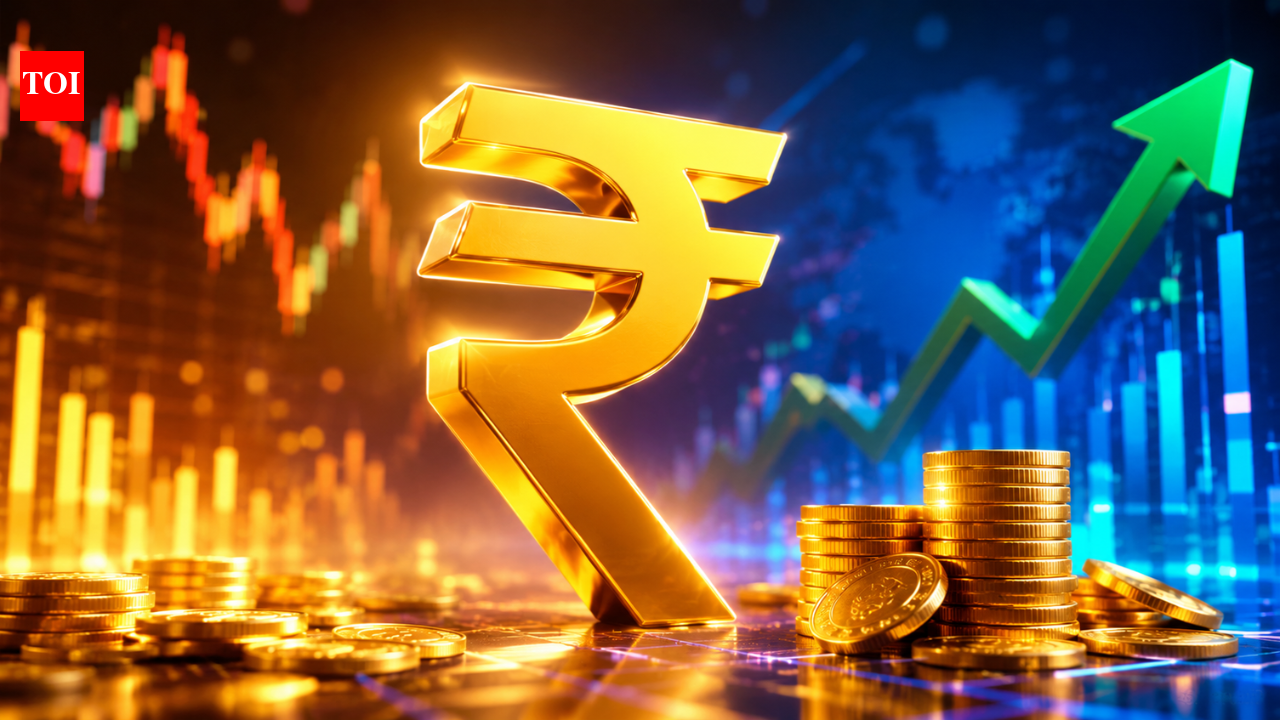
The Indian rupee appreciated sharply to 95.20 against the US dollar, according to a report by the TOI Business Desk published on June 12, 2026. The currency jump was attributed to growing hopes for peace in the Middle East, a development that could reduce geopolitical risk premiums and ease global trade tensions.
Market Movement
The TOI Business Desk reported that the rupee rose to 95.20 against the dollar, marking a notable gain. The move comes amid reports of potential diplomatic progress in the Middle East, which has historically influenced oil prices and, by extension, the Indian rupee given India's reliance on oil imports. The exact prior level was not specified in the source, but the shift underscores market sensitivity to geopolitical developments.
Trade Finance Implications
For trade finance professionals, a stronger rupee directly impacts the cost of imports and the value of export proceeds. Importers financing purchases through letters of credit (LCs) will benefit from lower INR-denominated outlays for the same dollar amount. Conversely, exporters receiving payments in dollars will see reduced INR income, potentially affecting their cash flow and hedging strategies. The appreciation may also reduce the outstanding exposure on import-related bank guarantees and standby LCs when measured in domestic currency.
| Stakeholder | Impact of Rupee Appreciation |
|---|---|
| Importers | Lower landed cost; reduced LC drawdowns in INR terms |
| Exporters | Reduced INR revenue; higher hedging costs |
| Treasury | Revaluation gains on foreign currency liabilities; need for dynamic FX risk management |
Geopolitical Context
The TOI Business Desk highlighted Middle East peace hopes as the catalyst for the rupee's rally. Reduced conflict in the region could lower oil prices and improve trade flows, benefiting a net importer like India. For trade finance desks, a more stable geopolitical environment may lower the cost of trade credit insurance and reduce premium pricing on export credit agency (ECA) guarantees for shipments to the Middle East.
Outlook for FX and Trade
While the source does not provide forward guidance, the current level of 95.20 offers a reference point for trade finance professionals benchmarking their FX rates. Treasury teams should review their hedge ratios and consider adjusting LC pricing for new import transactions. The rupee's gain also underscores the importance of monitoring geopolitical developments as a key variable in trade finance risk models.
In summary, the rupee's jump to 95.20 against the dollar, driven by Middle East peace hopes, has immediate implications for trade finance practitioners. Importers stand to benefit from lower costs, while exporters must manage reduced margins. The development highlights the interconnectedness of geopolitics and currency markets in trade finance.
Sources: