iGEN
Visit IGEN World Explore IGEN Expo
EXPLORE UPGRADE PLANS
BREAKING
Long-Lasting Smartwatch Alternatives for Manufacturing Professionals Apple Wallet Enhanced Keys Bring Dynamic Passes to Disney World with iOS 27 Antwerp-Bruges Port Targets Bigger India Share as Cargo Volumes Slip Framework Laptop 13 Pro Shipments Delayed One Month Over Touchpad, Display Issue RBI’s ECL Model From FY28: Why Credit Scores Matter More for Borrowing Costs Drug Sites Hijacked Spotify’s Search Ranking Through Fake Podcasts, Report Finds Microsoft inks 37,000-ton carbon removal deal with Indian startup Alt Carbon Gold Expected to Hit $6,000/oz by End 2026 Despite Recent Cooling: JP Morgan Quantum Space's Military SPAC: A Bet on Maneuverable Spacecraft for the US Space Microsoft Expands Local AI to Non-Copilot+ PCs via Nvidia GPUs Long-Lasting Smartwatch Alternatives for Manufacturing Professionals Apple Wallet Enhanced Keys Bring Dynamic Passes to Disney World with iOS 27 Antwerp-Bruges Port Targets Bigger India Share as Cargo Volumes Slip Framework Laptop 13 Pro Shipments Delayed One Month Over Touchpad, Display Issue RBI’s ECL Model From FY28: Why Credit Scores Matter More for Borrowing Costs Drug Sites Hijacked Spotify’s Search Ranking Through Fake Podcasts, Report Finds Microsoft inks 37,000-ton carbon removal deal with Indian startup Alt Carbon Gold Expected to Hit $6,000/oz by End 2026 Despite Recent Cooling: JP Morgan Quantum Space's Military SPAC: A Bet on Maneuverable Spacecraft for the US Space Microsoft Expands Local AI to Non-Copilot+ PCs via Nvidia GPUs
Home ›› Trade Finance ›› Rupee Decline Impacts Trade Finance Amid Rising Crude Prices

Rupee Decline Impacts Trade Finance Amid Rising Crude Prices

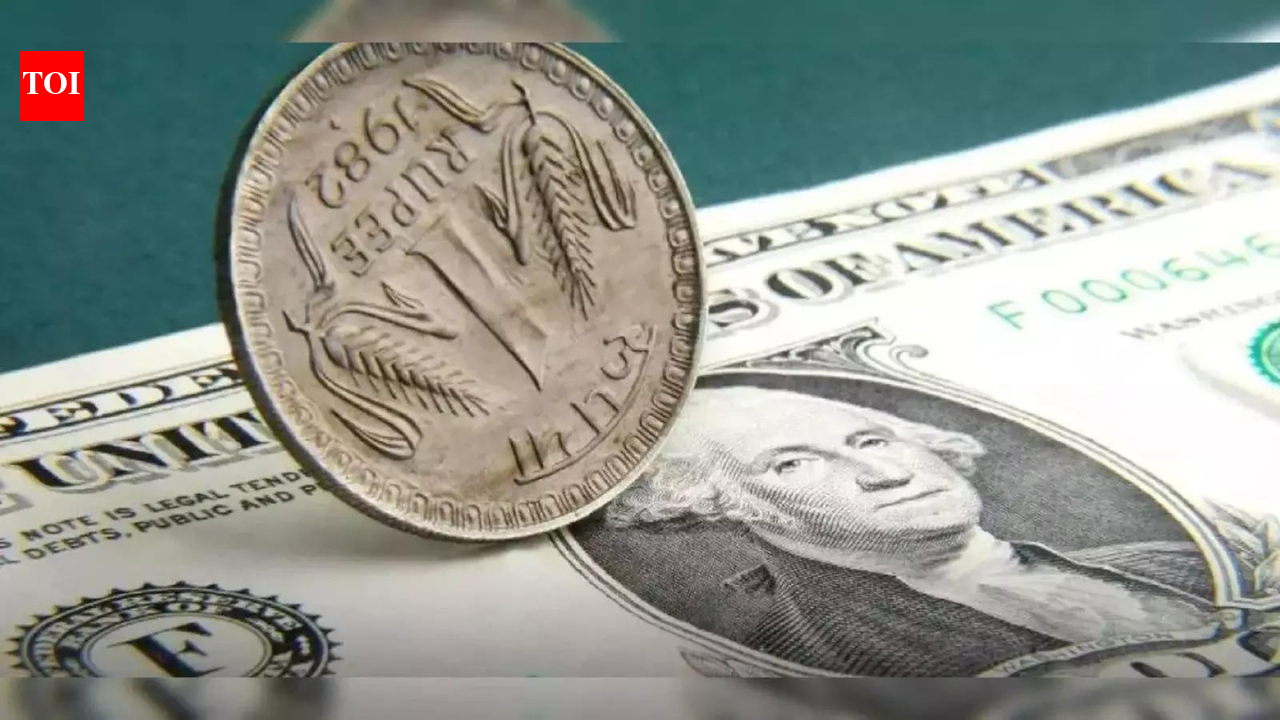
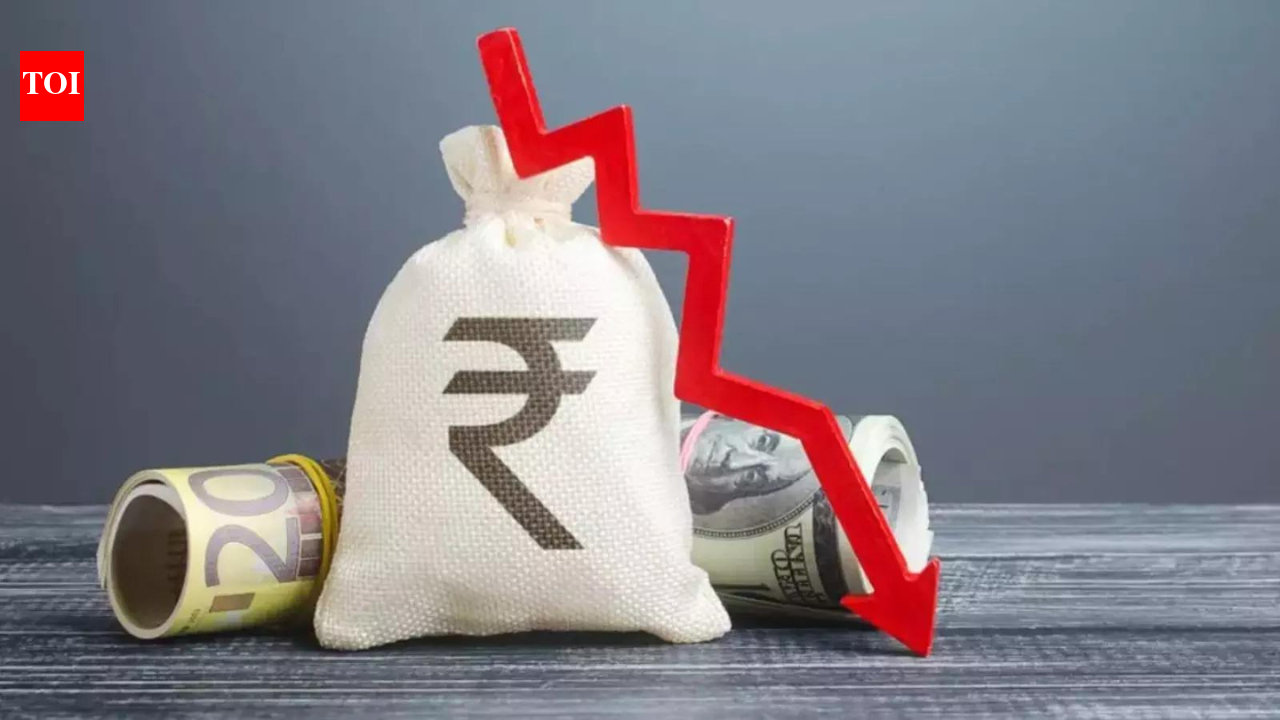
The Indian rupee fell 34 paise to 95.19 against the US dollar due to rising crude prices and geopolitical tensions. This depreciation affects trade finance costs, particularly for importers relying on Documentary Letters of Credit.

iG
iGEN Editorial
June 2, 2026
Rupee Decline Impacts Trade Finance Amid Rising Crude Prices

The Indian rupee's depreciation against the US dollar, closing at 95.19, has significant implications for trade finance, especially for importers using Documentary Letters of Credit (LCs). The decline, driven by rising crude oil prices and geopolitical tensions, increases the cost of imports and affects the availability of trade finance.

Impact on Trade Finance

The depreciation of the rupee raises the cost of imports, impacting companies that rely on LCs to finance their transactions. As the rupee weakens, the cost of settling LCs in USD increases, affecting cash flow and potentially leading to higher interest rates on trade finance products.

Geopolitical Tensions and Crude Prices

The rupee's fall is attributed to renewed geopolitical tensions involving the US and Iran, coupled with a 3.47% rise in Brent crude prices to USD 94.28 per barrel. These factors contribute to a stronger US dollar, further pressuring the rupee.

"We expect the rupee to trade with a slight negative bias on renewed geopolitical tensions and an overnight surge in crude oil prices," said Anuj Choudhary, Research Analyst at Mirae Asset ShareKhan.

RBI's Monetary Policy and Market Reactions

Market participants are closely watching the Reserve Bank of India's (RBI) Monetary Policy Committee (MPC) meeting scheduled for June 3-5. The committee's decisions could influence the rupee's trajectory and, consequently, trade finance conditions.

Indicator Value
Rupee Closing Rate 95.19
Brent Crude Price USD 94.28 per barrel
Dollar Index 99.04

Conclusion

The rupee's depreciation poses challenges for trade finance, particularly for importers using LCs. Companies must navigate increased costs and potential interest rate hikes, while keeping an eye on geopolitical developments and RBI policy decisions.


Keep Reading

Recommended Stories