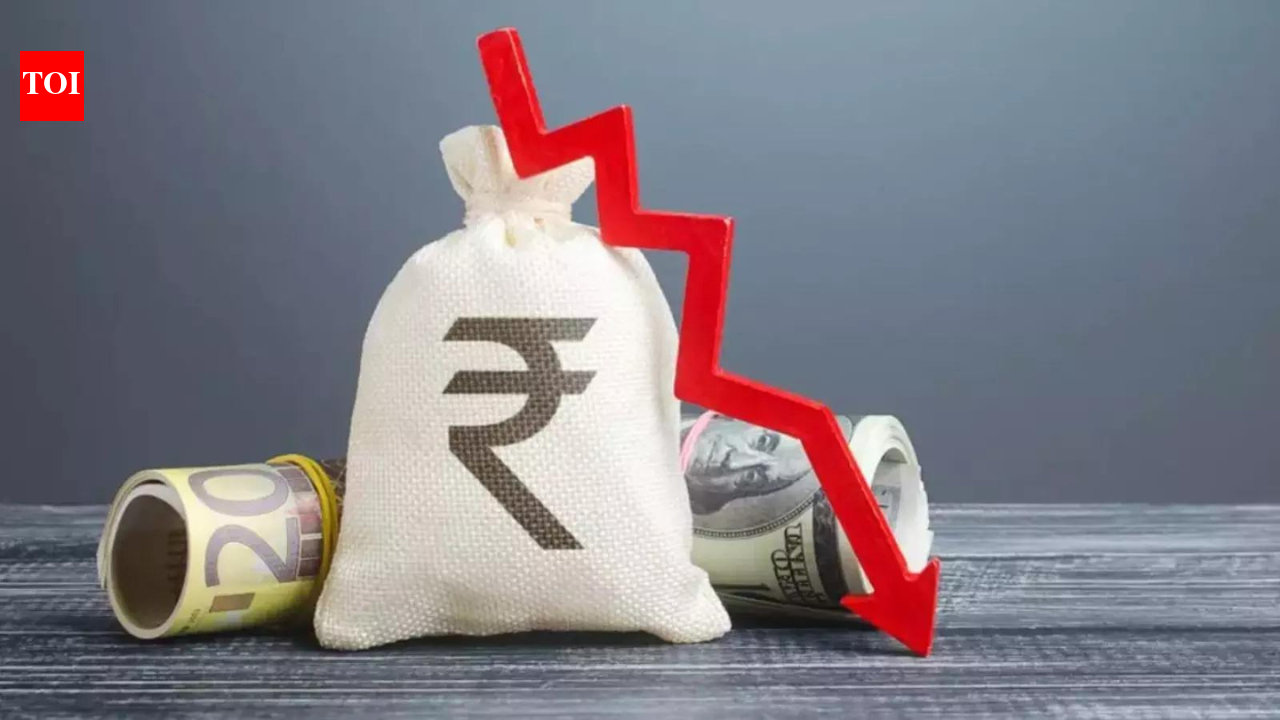
The Indian rupee has appreciated by 20 paise, reaching 95.41 against the US dollar, according to the TOI Business Desk. This development in the foreign exchange market is significant for trade finance professionals, as currency fluctuations can directly impact the cost and availability of trade finance instruments.
Impact on Trade Finance Instruments
The appreciation of the rupee can affect various trade finance instruments such as Documentary Letters of Credit (LC) and Bank Guarantees. When the local currency strengthens, importers may find it more cost-effective to settle their international obligations, potentially reducing the demand for these instruments. Conversely, exporters might face tighter margins, impacting their cash flow and the need for Receivables Financing.
Currency and FX Impacts
Currency fluctuations are a critical factor in trade finance, influencing the risk and cost associated with cross-border transactions. A stronger rupee can lead to reduced costs for importers, as they require fewer rupees to purchase foreign currency. However, exporters may receive less in rupee terms for their dollar-denominated sales, affecting their profitability.
| Currency | Previous Rate | Current Rate |
|---|---|---|
| Rupee | 95.61 | 95.41 |
Regulatory Considerations
While the article does not specify regulatory changes, any significant currency movement can prompt regulatory bodies to reassess their policies. Trade finance professionals should stay informed about potential regulatory updates that could arise from such currency shifts.
Strategic Implications for Trade Finance
For trade finance bankers and corporate treasury teams, the rupee's appreciation presents both challenges and opportunities. Importers might benefit from lower costs, while exporters need to strategize around potential revenue impacts. Supply Chain Finance (SCF) programs could become more attractive as companies seek to optimize their working capital in light of currency changes.
Overall, the rupee's movement against the US dollar is a key factor for trade finance professionals to monitor, as it can influence the cost structure and risk profile of international trade transactions.
Sources: