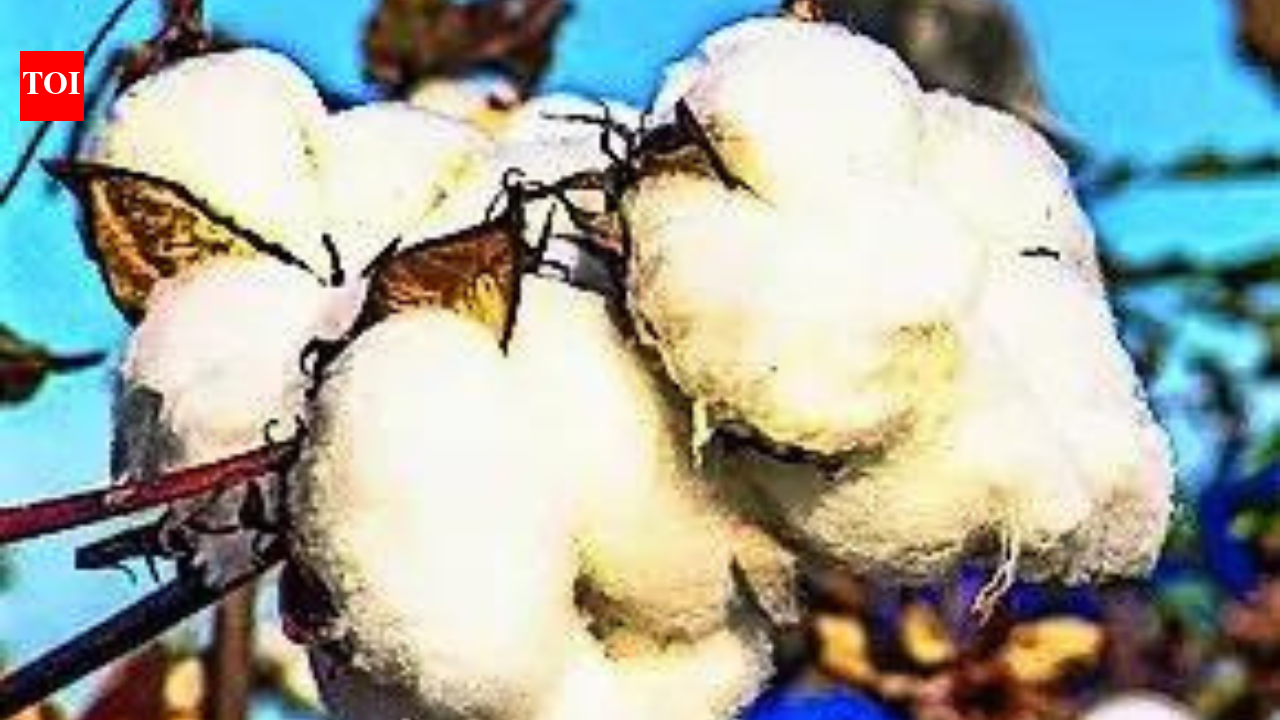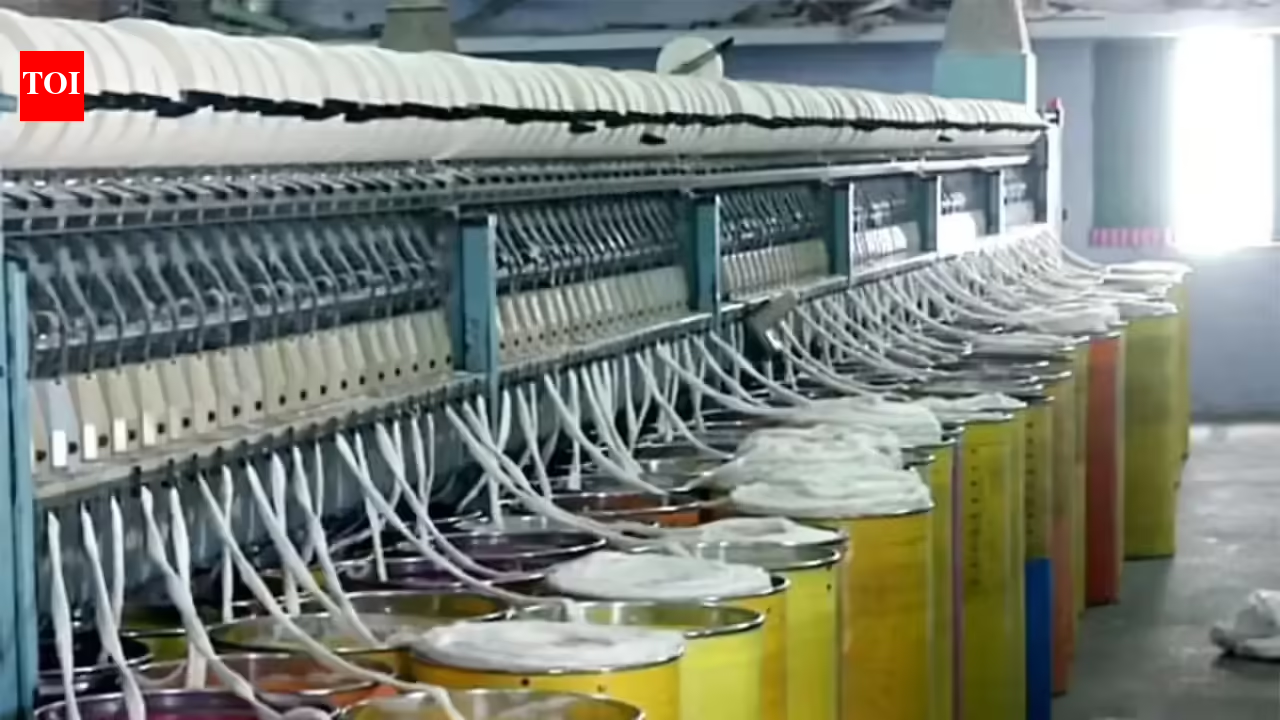
India has announced a significant policy change by waiving all customs duties on cotton imports for a five-month period, starting June 1, 2026, and ending on October 30, 2026. This decision, made by the Finance Ministry and supported by the Textile Ministry, is expected to bolster the availability of cotton, reduce input costs, and enhance the competitiveness of the Indian textile sector.
Impact on the Textile Industry
The Apparel Export Promotion Council (AEPC) has welcomed this move, highlighting its potential to provide substantial relief to the textile and apparel value chain. AEPC Chairman A Sakthivel emphasized that the waiver would particularly benefit small and medium enterprises (MSMEs) struggling with rising cotton and yarn prices.
"This will help stabilize the entire textile value chain and enable garment exporters to secure and execute export orders more competitively in the coming months," said Sakthivel.
Competitive Edge in Global Markets
The Confederation of Indian Textile Industry (CITI) has also expressed support for the duty waiver. CITI Chairman Ashwin Chandran noted that the previous 11% import duty on cotton was a barrier to India's global competitiveness, especially as major Asian competitors already enjoy duty-free access to cotton.
| Aspect | Before Waiver | After Waiver |
|---|---|---|
| Import Duty on Cotton | 11% | 0% |
| Cotton Availability | Limited | Improved |
| Export Competitiveness | Hindered | Enhanced |
Strategic Timing and Market Stability
The timing of this policy change is strategic, occurring during the cotton off-season, which ensures adequate availability for the textile industry while safeguarding farmers' interests and maintaining market stability. The Textile Ministry has stated that this measure will support MSMEs, moderate input costs, and strengthen the competitiveness of Indian textiles.
Future Prospects
India's textile exports are predominantly cotton-based, and the country is targeting $100 billion in textile and apparel exports by 2030. With this temporary relief, Indian exporters can better leverage opportunities arising from Free Trade Agreements (FTAs) and expand their presence in global markets.