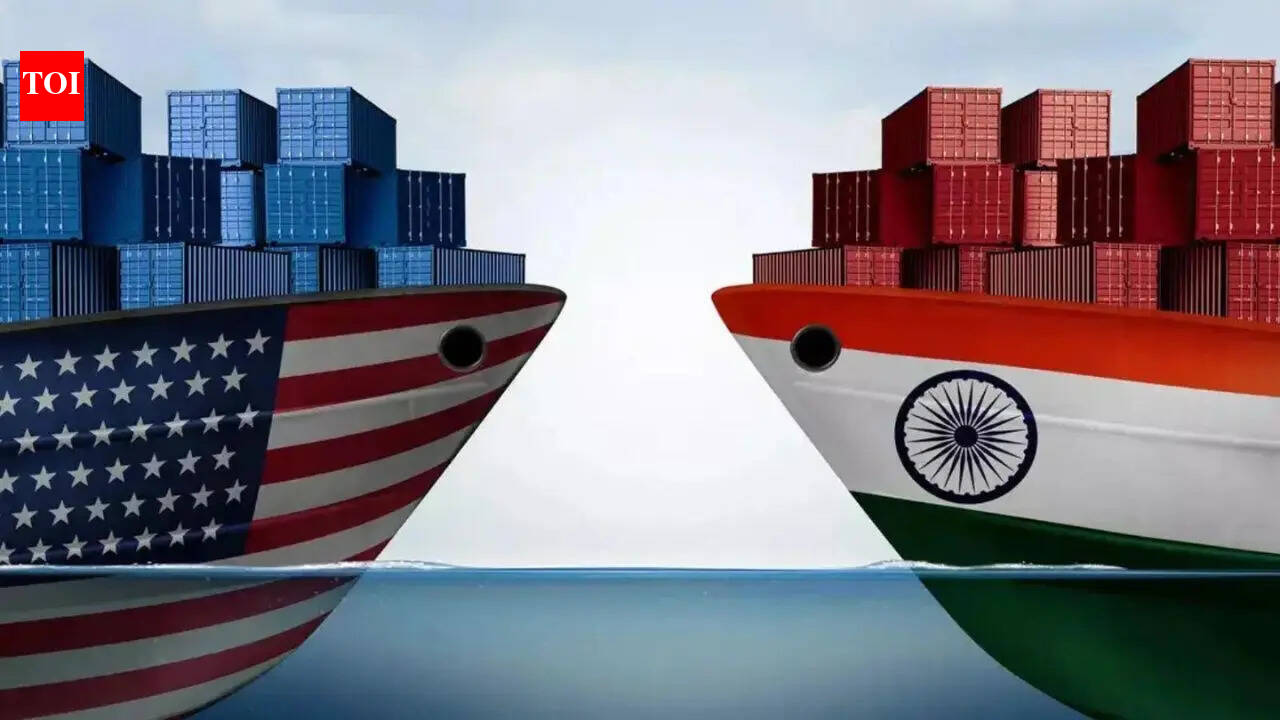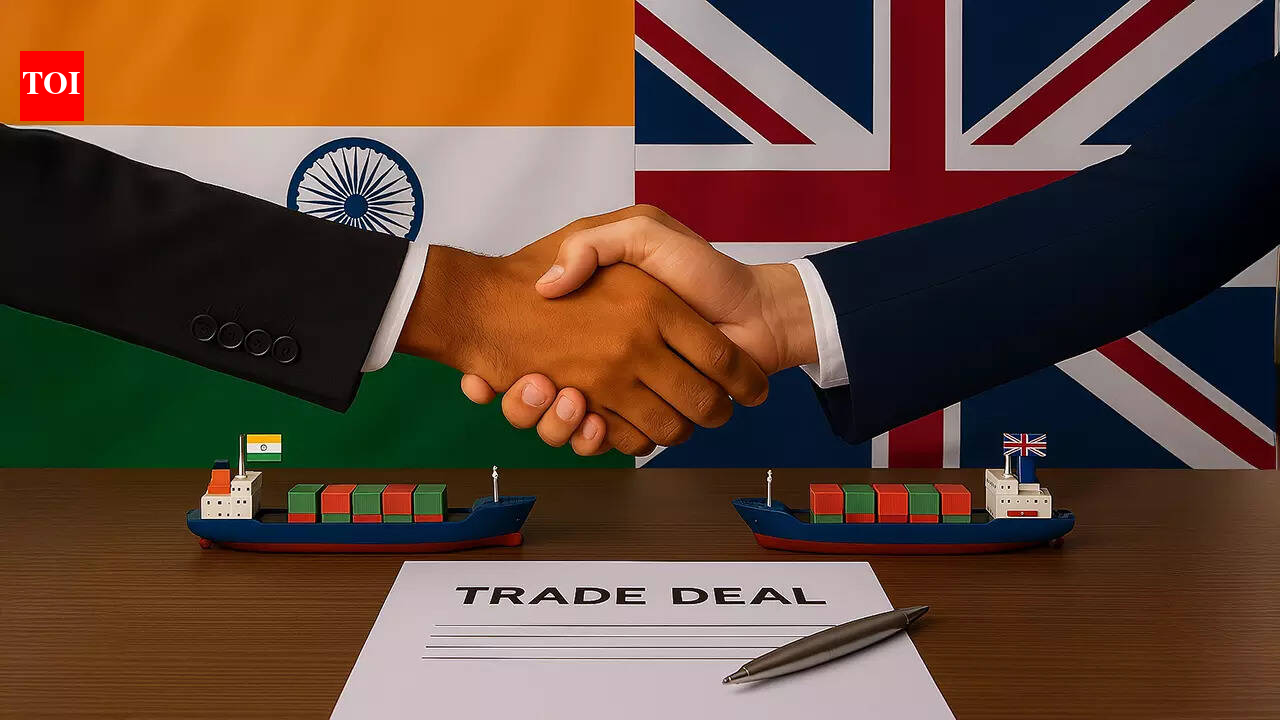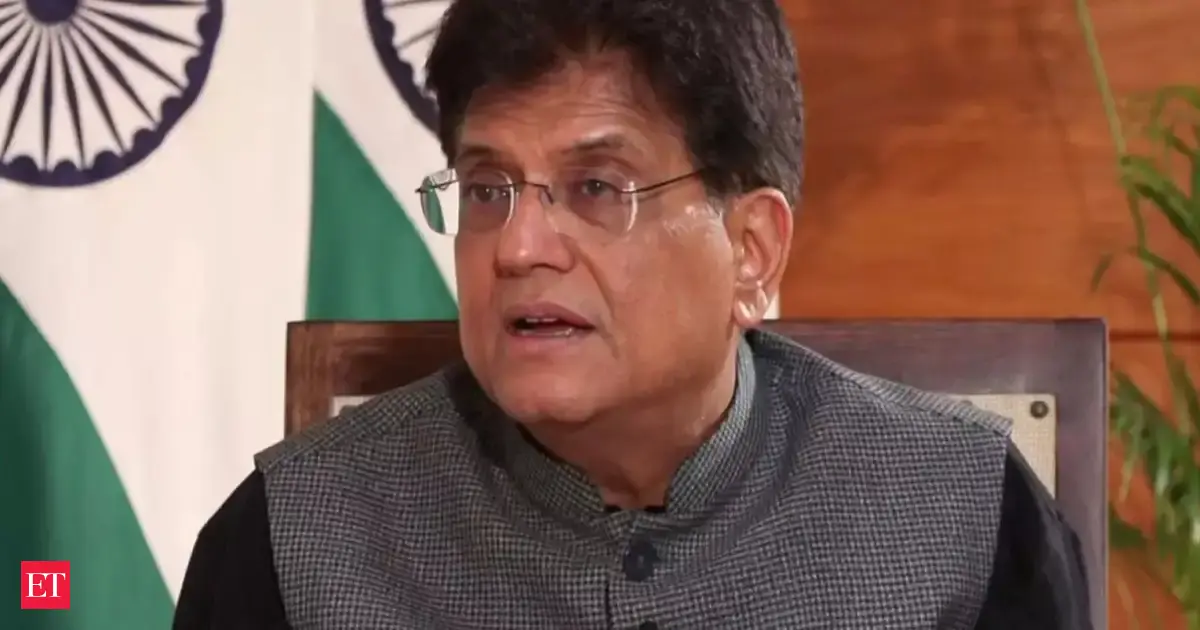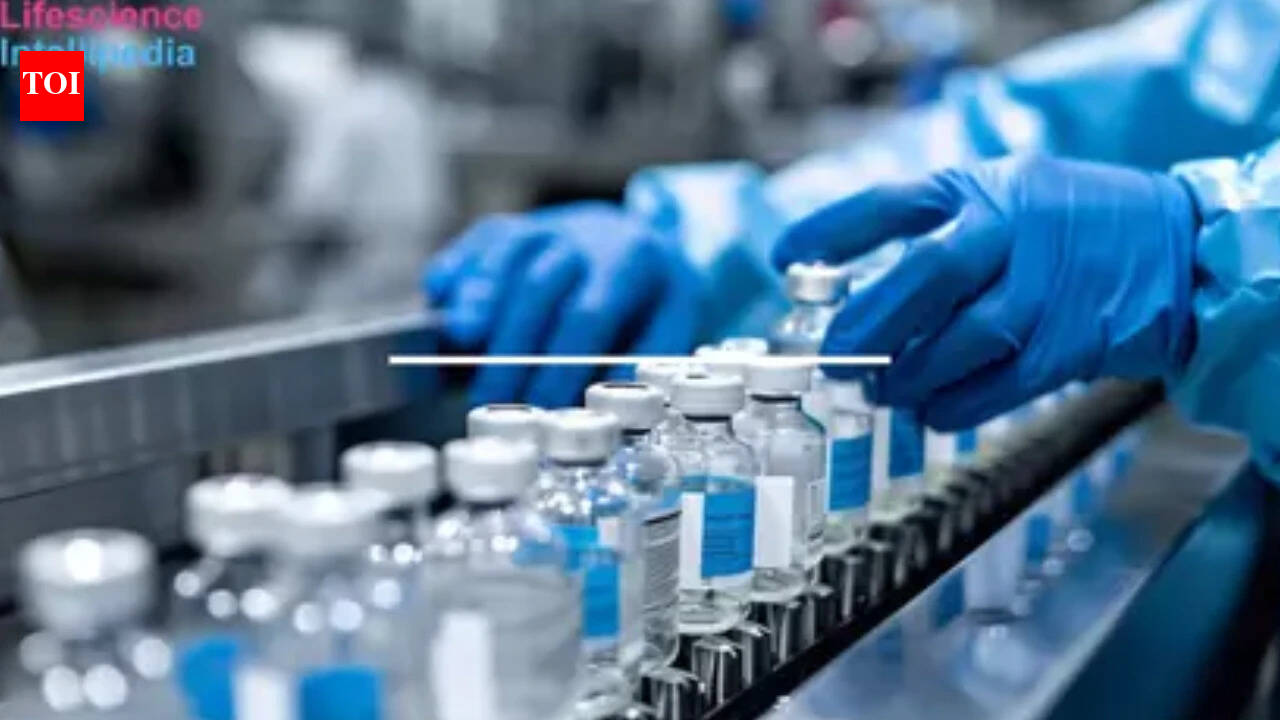
The Indian government is set to address the United States' decision to impose a 100% duty on patented drug imports from India, seeking tariff parity to protect domestic manufacturers. This issue is anticipated to be a focal point in upcoming trade negotiations with Washington, as New Delhi aims for tariff concessions similar to those granted to the UK and European Union, according to Business-Today.
Impact of US Tariffs
The tariffs, announced in April following a Section 232 probe, could severely disadvantage Indian companies exporting innovator drugs compared to their UK and EU counterparts, who benefit from concessional tariff rates of 15-20%. These duties are expected to be phased in starting July, potentially threatening the viability of India's drug exports and future investments in the Contract Research, Development, and Manufacturing Organisation (CRDMO) sector.
CRDMO Sector at Risk
Indian CRDMO companies like Syngene International, Aragen Life Sciences, and Aurobindo Pharma’s TheraNym have established partnerships with global innovators such as Bristol Myers Squibb and MSD. These companies have invested significantly in biologics discovery, development, and manufacturing capabilities. Industry experts warn that the proposed tariffs could undermine the sector's competitiveness and weaken India's position as a leading destination for contract manufacturing of biologics.
Market Potential and Growth
India currently holds a 2-3% share of the $140-145 billion global CRDMO market but has the potential to become a global leader. The domestic CRDMO market is expanding at a 15% CAGR, driven by its cost advantage over Western countries and 90% faster project startup times. Global supply chain realignments are creating a $10 billion opportunity for Indian CRDMOs, as Western pharmaceutical companies seek alternative hubs.
"India holds a 2-3% share of the $140-145 billion global CRDMO market but has the potential to become a global leader," according to a BCG-Innovative Pharmaceutical Services Organization report.
Negotiation Strategy
The Indian government is expected to leverage these industry insights during negotiations to argue for tariff parity. By aligning with the UK and EU's concessional rates, India aims to maintain its competitive edge in the global pharmaceutical market and secure the future of its burgeoning CRDMO sector.
| Country/Region | Current Tariff Rate | Proposed Tariff Rate |
|---|---|---|
| India | 100% | 15-20% (parity with UK/EU) |
| UK/EU | 15-20% | 15-20% |
The outcome of these negotiations could significantly impact the strategic direction of India's pharmaceutical exports and its role in the global market.
Sources: