The White House has announced a proposal to impose import taxes of at least 10% on 60 economies following a Section 301 investigation into forced labor practices. This move has caused uncertainty among trading partners, including the European Union (EU), which previously negotiated a tariff agreement with the United States.
EU-US Tariff Agreement
The EU and the US reached a free-trade agreement in July, which stipulates that the EU will eliminate levies on US industrial goods in exchange for a 15% tariff ceiling on its exports. This agreement was part of negotiations held in Turnberry, Scotland, nearly a year ago.
US Trade Representative's Statement
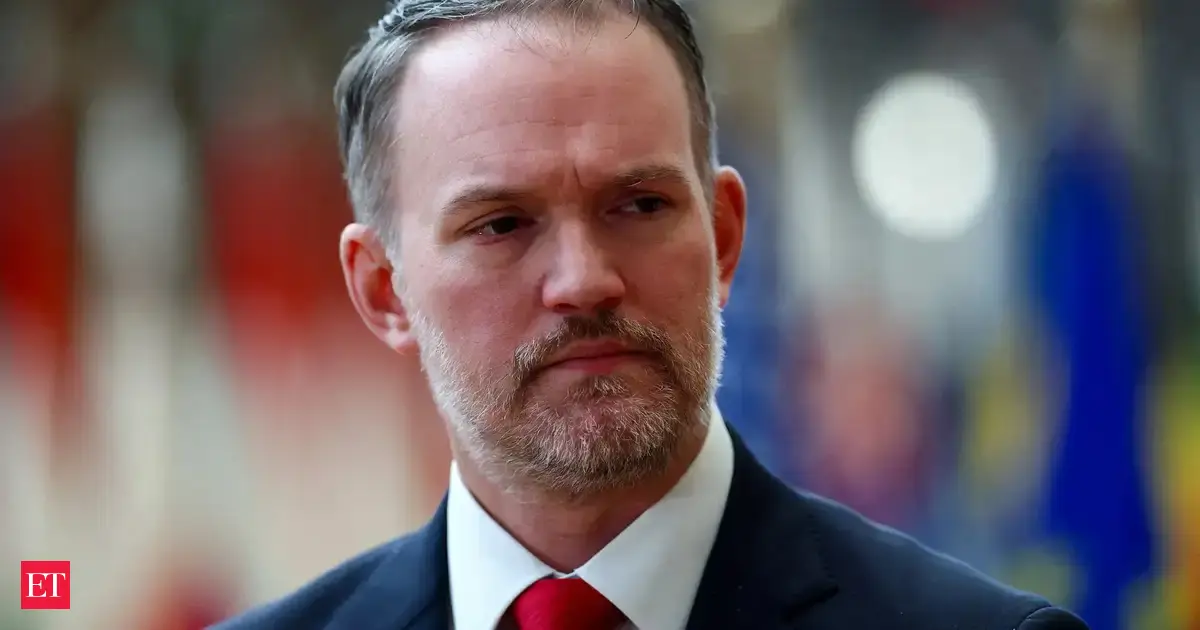
Jamieson Greer, the US Trade Representative, emphasized the importance of adhering to the agreement during a press briefing at the OECD in Paris. He stated:
"We understand that a deal is a deal. We want to make sure that we are able to resolve the trading practices that are identified as problematic in our investigations and we're going to take into account the Turnberry deal, of course."
Greer highlighted the need for the EU to fulfill its commitments under the Turnberry deal to maintain the agreed tariff conditions.
Potential Tariff Increases
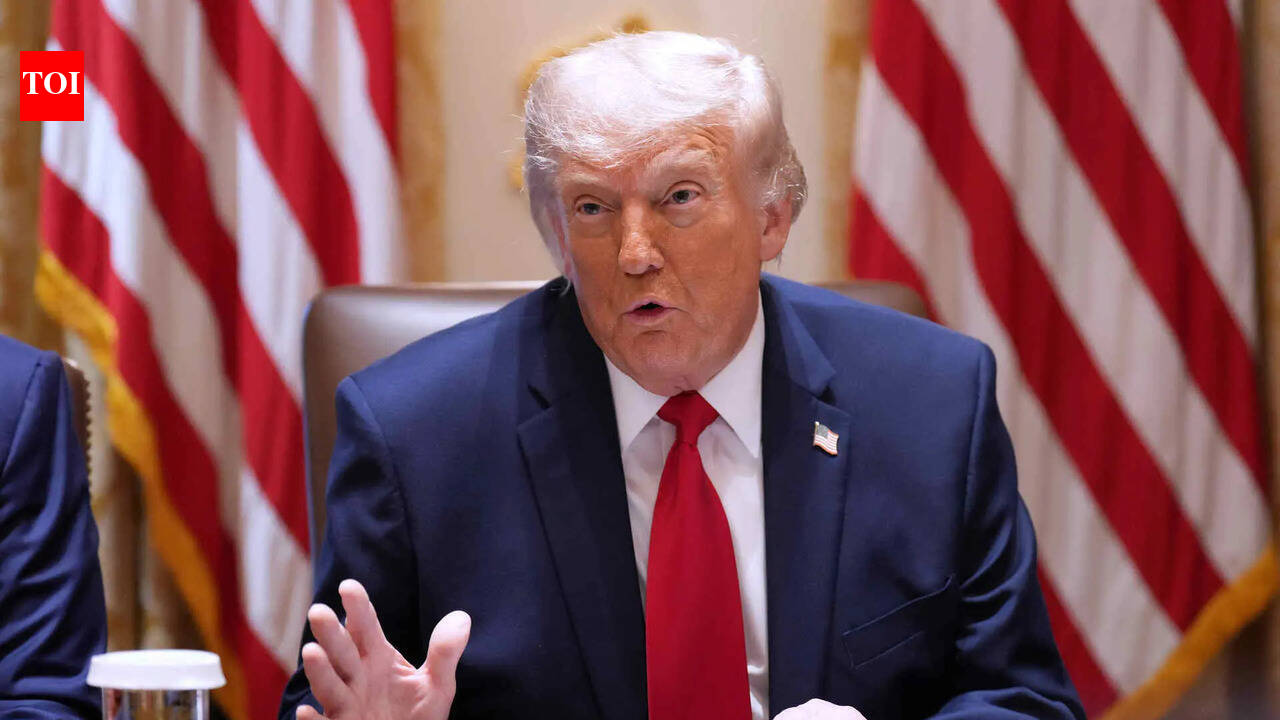
Despite the existing agreement, former President Donald Trump has threatened to increase tariffs on European cars to 25% if the deal is not ratified by July 4. This potential increase underscores the ongoing tension in US-EU trade relations.
Section 301 Investigation
The Section 301 investigation, which prompted the new tariff proposal, focuses on how trade partners handle goods allegedly produced by forced labor. The investigation's findings could lead to significant changes in international trade dynamics.
| Agreement | EU Tariff Ceiling | US Industrial Goods |
|---|---|---|
| Turnberry Deal | 15% | No levies |
The proposed import taxes and the existing EU-US agreement illustrate the complex landscape of international trade policy under the current administration.