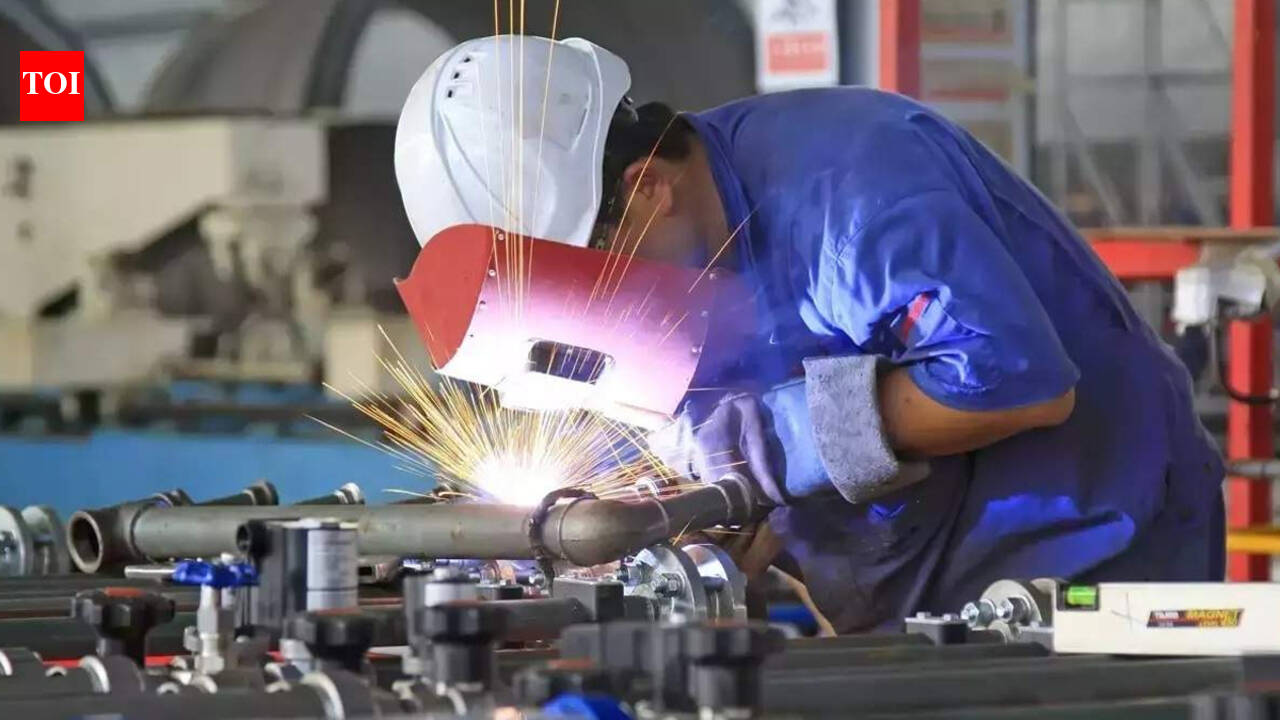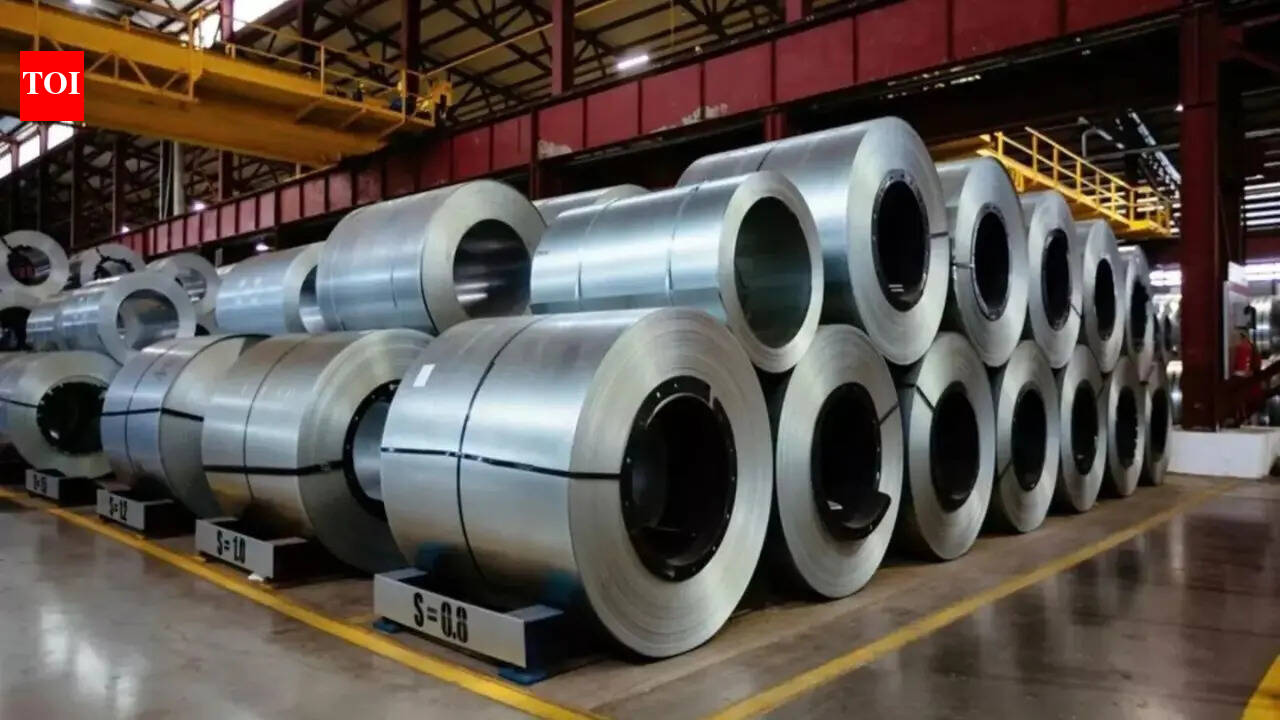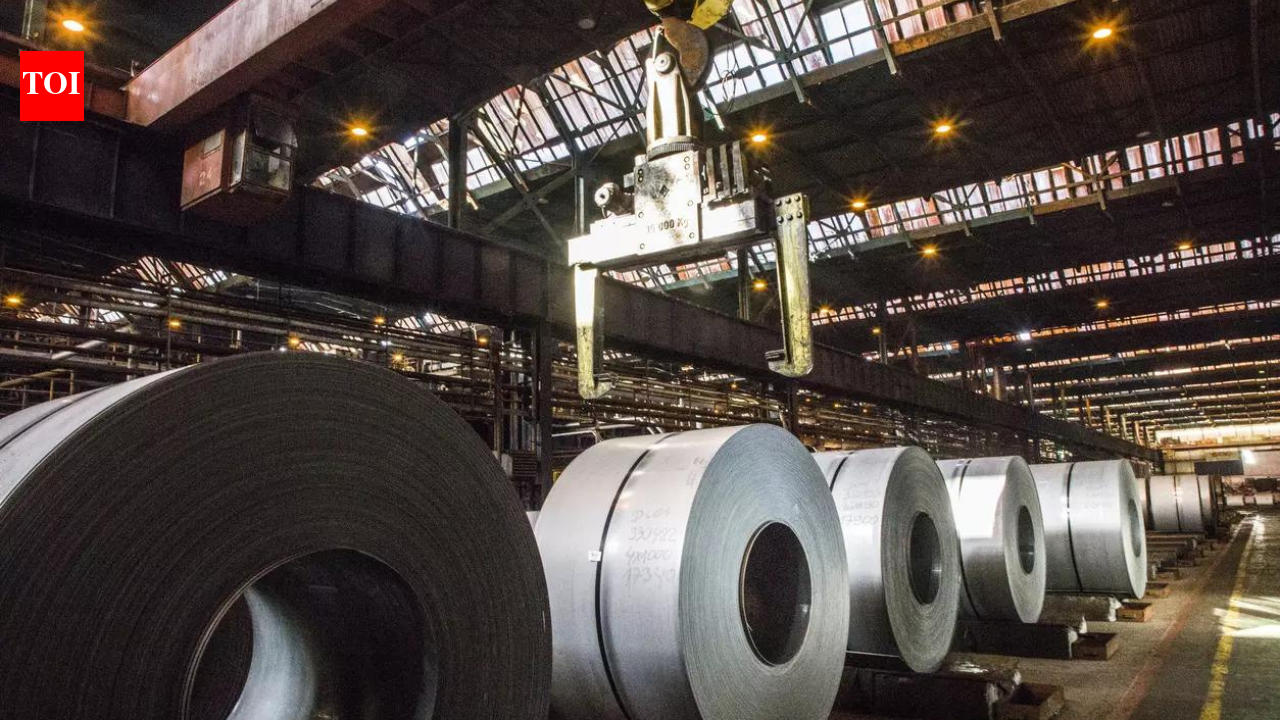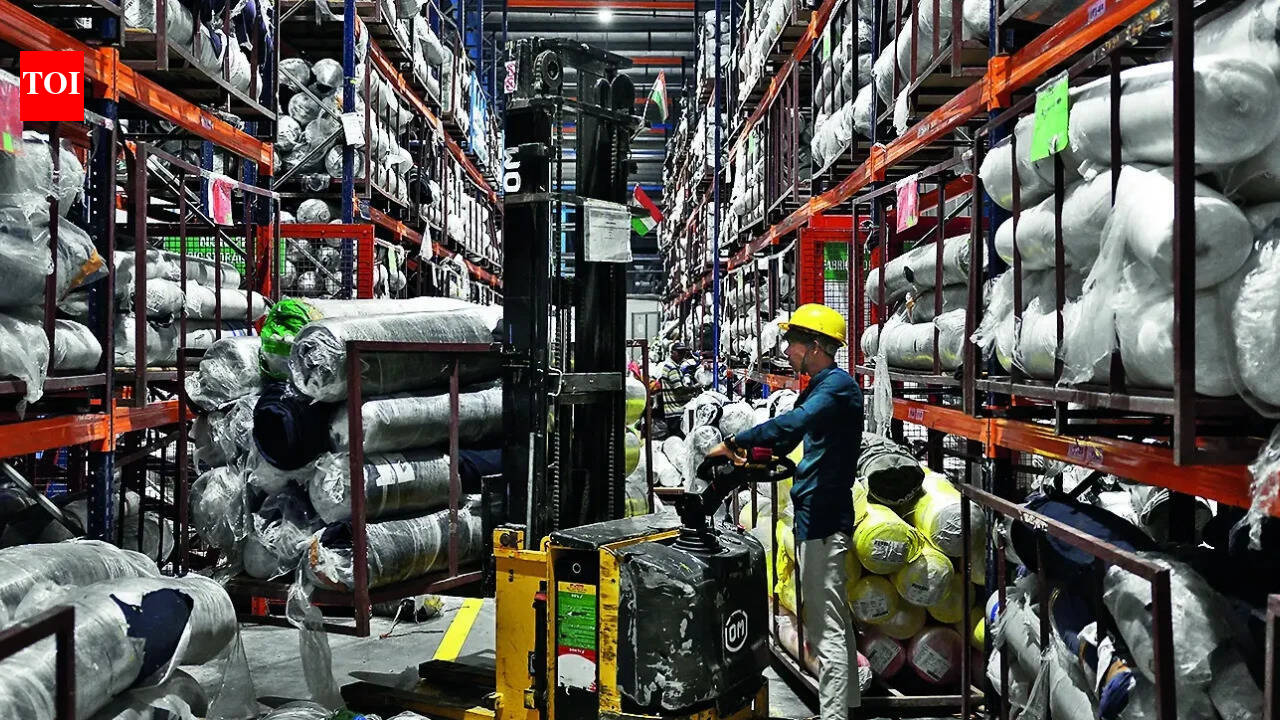
India's industrial output surged 7.3% in June, the fastest pace in 22 months, driven by robust expansion in manufacturing, electricity, and gas supply, according to data released by the statistics ministry. The growth compares with 2.2% in the same month last year and a downwardly revised 5% in May, signalling resilient domestic demand despite geopolitical tensions and an erratic monsoon.
The index of industrial production (IIP) for the first quarter (April-June) was pegged at 5.8%, up from 3.4% a year ago, according to the statistics ministry.
Sectoral Performance
Among sub-sectors, electricity and gas supply recorded the highest growth at 10.6% in June, benefiting from sustained heatwave conditions. The manufacturing sector, which carries a weight of 76% in the IIP, expanded 7.8%. Other sub-sectors included water supply, sewerage & waste management (6.1%) and mining and quarrying (1%).
Within manufacturing, 19 out of 23 industries posted growth. The electrical equipment industry led with a stunning 34% increase, followed by motor vehicles, trailers and semi-trailers (17.5%), textiles (13.7%), beverages (12.5%), and food products (10.8%).
IIP Growth Summary Table
| Period | IIP Growth | Year Ago |
|---|---|---|
| June 2026 | 7.3% | 2.2% |
| May 2026 (revised) | 5.0% | — |
| Q1 Apr-Jun 2026 | 5.8% | 3.4% |
Expert Commentary
Dipti Deshpande, principal economist at Crisil, noted that Indian firms have "adroitly sourced" materials from alternative markets and used domestic inventories to navigate supply disruptions from the West Asia conflict. She attributed the resilience to "strong domestic demand and sustained retail credit growth," which have offset geopolitical uncertainties.
Rajani Sinha, chief economist at CareEdge Ratings, flagged risks from high input prices due to an uncertain global environment and an erratic monsoon, particularly its impact on kharif production and rural demand.
Megha Arora, director at India Ratings, projected that IIP growth would moderate to 5.4% in July on account of an adverse base effect.
Outlook and Risks
While June's data underscores the strength of domestic demand, the near-term outlook is clouded. Deshpande warned that slowing global growth is weakening export demand, while elevated input costs and price pass-throughs are expected to squeeze producer margins, temper consumption demand, and moderate industrial output in coming months. The combination of high input prices, an erratic monsoon, and a challenging global environment will continue to pose risks for the industrial sector, according to CareEdge’s Sinha.
Sources: