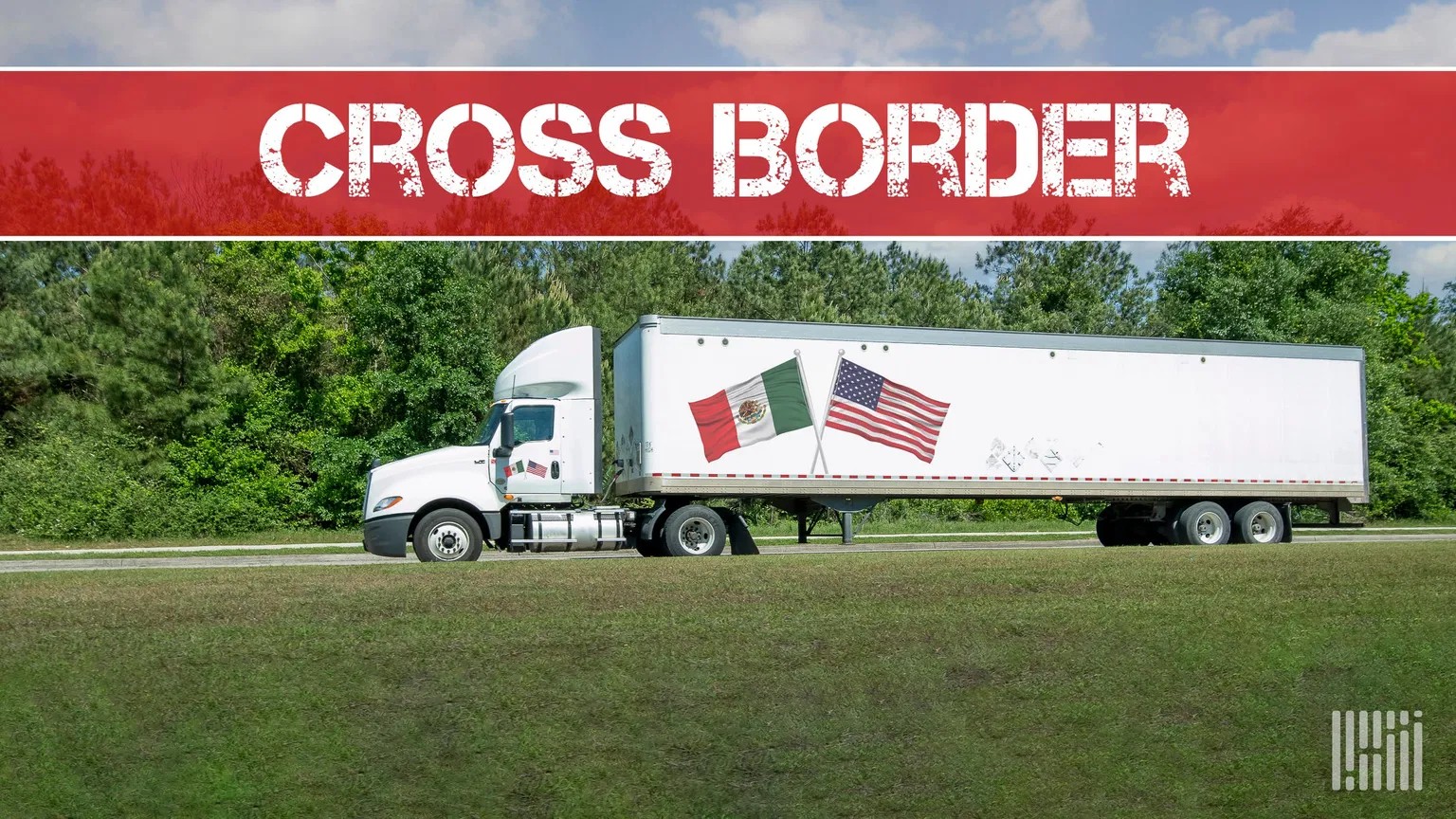
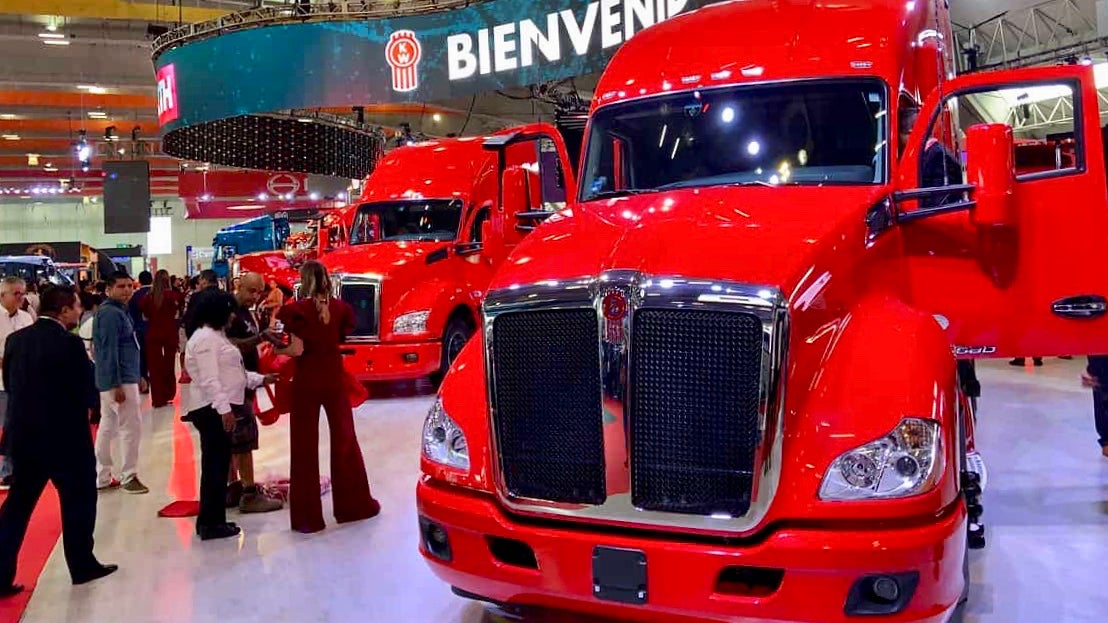
Mexico's heavy-duty truck production and exports rebounded in June 2026, with manufacturers assembling 15,262 trucks and buses — a 7.6% increase year over year — and exporting 12,730 units, up 3.2%, according to data from the National Institute of Statistics and Geography (INEGI) and the National Association of Bus, Truck and Tractor-Trailer Producers (Anpact). Nearly all exports are destined for the United States, making US freight demand the primary growth driver.
Recovery Marks First Simultaneous Growth Since August 2024
The June performance was the first time since August 2024 that Mexico's heavy-duty vehicle industry recorded year-over-year growth simultaneously in wholesale sales, production, exports, and retail sales, according to Anpact. Anpact President Rogelio Arzate said during a news conference on June 9, “June closed with clear signs of recovery.”
Freightliner and International Lead Production
Freightliner was the top truck producer and exporter in Mexico in June, producing 9,379 trucks (up 9.6% year over year) and exporting 8,745 units (up 6%). International Trucks Inc. ranked second, manufacturing 4,181 trucks (up 11.6%) and exporting 3,685 units (up 6.7%). The table below shows June 2026 production and export figures for these leading manufacturers.
| Manufacturer | June 2026 Production | YoY Change | June 2026 Exports | YoY Change |
|---|---|---|---|---|
| Freightliner | 9,379 | +9.6% | 8,745 | +6% |
| International | 4,181 | +11.6% | 3,685 | +6.7% |
First-Half Totals Still Lag Behind 2025
While June results improved, the first half of 2026 remained below the prior year's pace. Between January and June, Mexican factories produced 70,876 heavy-duty vehicles, down 13% from the first six months of 2025. Exports totaled 58,260 units, a 14.5% decline. Wholesale sales edged up 3.1% to 14,979 units, but retail sales fell 21.8% to 16,072 units.
| Metric | Jan–Jun 2026 | Jan–Jun 2025 | YoY Change |
|---|---|---|---|
| Production | 70,876 | (not specified) | -13% |
| Exports | 58,260 | (not specified) | -14.5% |
| Wholesale sales | 14,979 | (not specified) | +3.1% |
| Retail sales | 16,072 | (not specified) | -21.8% |
US Market Recovery Fuels Rebound
Arzate attributed June's rebound to improving conditions in the US heavy-duty truck market and stronger domestic fleet replacement. Wholesale sales surged 45.5% year over year to 3,278 units, driven primarily by freight transportation equipment. Cargo vehicle retail sales increased nearly 15% to 2,796 units, while sales of cargo trucks climbed 22.9% and tractor-trailers rose nearly 8%.
Guillermo Rosales, president of the Mexican Automobile Dealers Association (AMDA), noted that June represented the commercial vehicle industry's first positive retail sales month of 2026 after 17 consecutive months of declines. “The outlook is that during the second half of the year we could continue reducing the negative impact the industry has experienced throughout 2025 and 2026,” Rosales said during the same news conference. Cristina Vázquez, AMDA's coordinator of economic studies, added that June retail sales increased 12.5% from May, suggesting the market is beginning to stabilize even though first-half totals remain below both 2025 and pre-pandemic levels.
USMCA Uncertainty Remains a Concern
Despite the improving monthly figures, Anpact warned that long-term investment decisions remain tied to the future of the U.S.-Mexico-Canada Agreement (USMCA). Arzate urged policymakers to preserve the agreement's existing rules of origin during the upcoming USMCA review, stating that the regional trade pact has enabled North America to become one of the world's most competitive heavy-duty truck manufacturing hubs. “The positive results observed in wholesale sales during June confirm the industry's ability to respond to market needs,” Arzate said. “To maintain this trend, it is essential to have a framework of certainty that strengthens…”
The rebound in June offers a glimmer of hope for Mexico's truck manufacturing sector, but the persistent year-to-date declines and the uncertain trade policy environment mean that sustained recovery will depend on both US demand stability and regulatory continuity.
Sources: