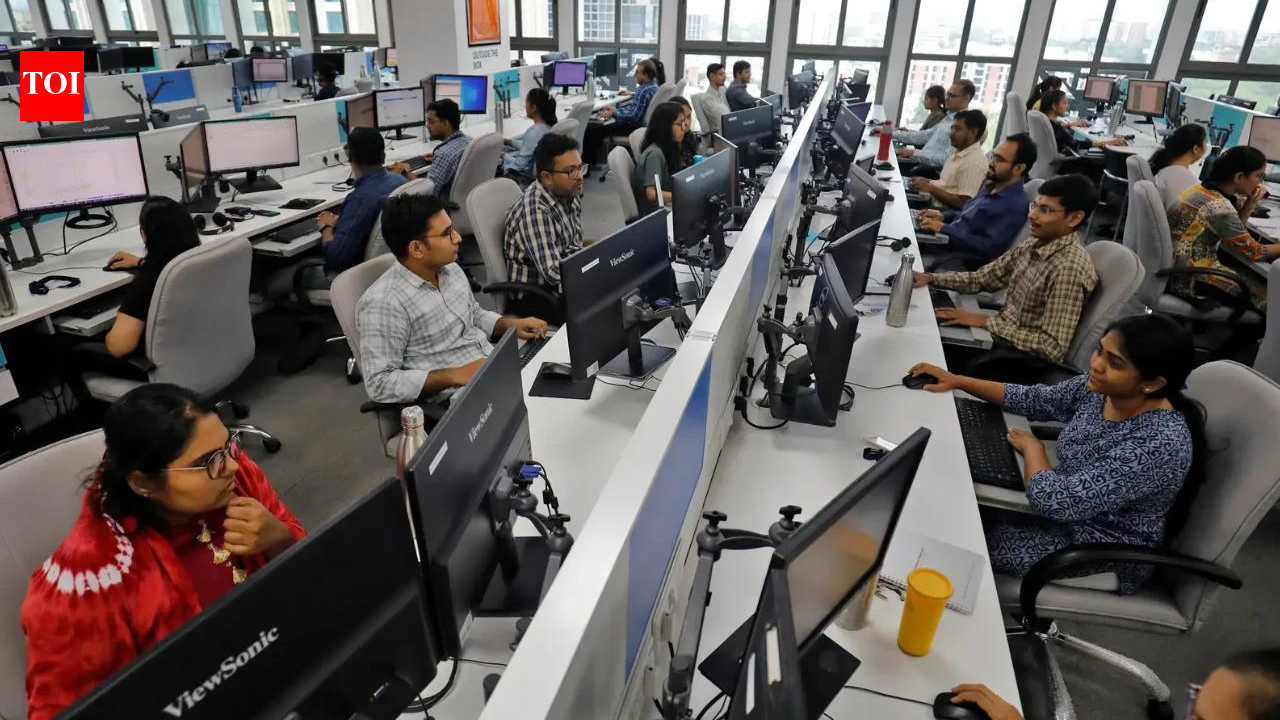
India's services sector growth slowed to its weakest pace in more than four-and-a-half years in July, with the HSBC India Services Purchasing Managers' Index (PMI) falling to 53.3 from 57.4 in June, according to the latest survey released on Wednesday. The reading marks the weakest growth rate in 53 months, as softer domestic and export demand, intense competition and weaker customer enquiries weighed on business activity, Business-Today reported.
Services PMI falls to 53.3 in July
Despite remaining above the neutral 50 mark that separates expansion from contraction, the pace of services growth was the slowest since early 2022. The seasonally adjusted index is compiled by S&P Global based on responses from around 400 service sector companies across India.
| Indicator | June 2026 | July 2026 | Movement |
|---|---|---|---|
| HSBC India Services PMI Business Activity Index | 57.4 | 53.3 | Weakest in 53 months |
| HSBC India Composite PMI Output Index | 57.1 | 54.3 | Weakest since March 2022 |
| New business inflows | — | Slowest since February 2022 | Eased |
| Input cost inflation | — | Eased for fourth straight month | Lowest since January |
| Selling prices | — | Fastest pace since April | Rose |
New business inflows hit slowest pace since February 2022
The survey showed new business inflows expanded at the slowest pace since February 2022, with firms attributing the slowdown to fierce competition, fading demand, softer market conditions and order postponements. Among the four service sub-sectors tracked by the survey, only the Finance & Insurance segment recorded faster growth in output and sales.
Export demand remained relatively resilient, with service providers reporting gains from clients in the United Arab Emirates, the United Kingdom and the United States, helping export business grow at a pace that outperformed overall sales growth. Pranjul Bhandari, chief India economist at HSBC, said:
"India's services sector continued to expand in July, albeit at a slightly slower pace, as new business growth eased in both domestic and export markets after several months of strong performance."
Employment edges up, business confidence at seven-month low
Employment growth improved modestly after dropping to a six-month low in June. The survey showed 6 per cent of firms increased hiring, while 92 per cent reported no change in workforce strength.
In a second comment, Bhandari said hiring showed a moderate rebound, while profit margins improved as input costs softened and firms increased their selling prices.
Business confidence weakened further, falling to a seven-month low in July. Optimism declined for the fourth straight month, even as firms cited expectations of stronger demand, better market conditions, competitive pricing strategies and higher inbound tourism in the months ahead. Outstanding business declined at its fastest pace in nearly five years due to limited bookings and weaker sales.
Input costs ease; selling prices climb
Input cost inflation eased for the fourth consecutive month, reaching its lowest level since January, although businesses continued to report higher expenses related to:
- Fuel
- Labour
- Raw materials
- Technology
- Transportation
At the same time, companies raised selling prices at the fastest pace since April, indicating that firms continued to pass on part of their higher operating costs to customers.
Composite PMI drops to 54.3
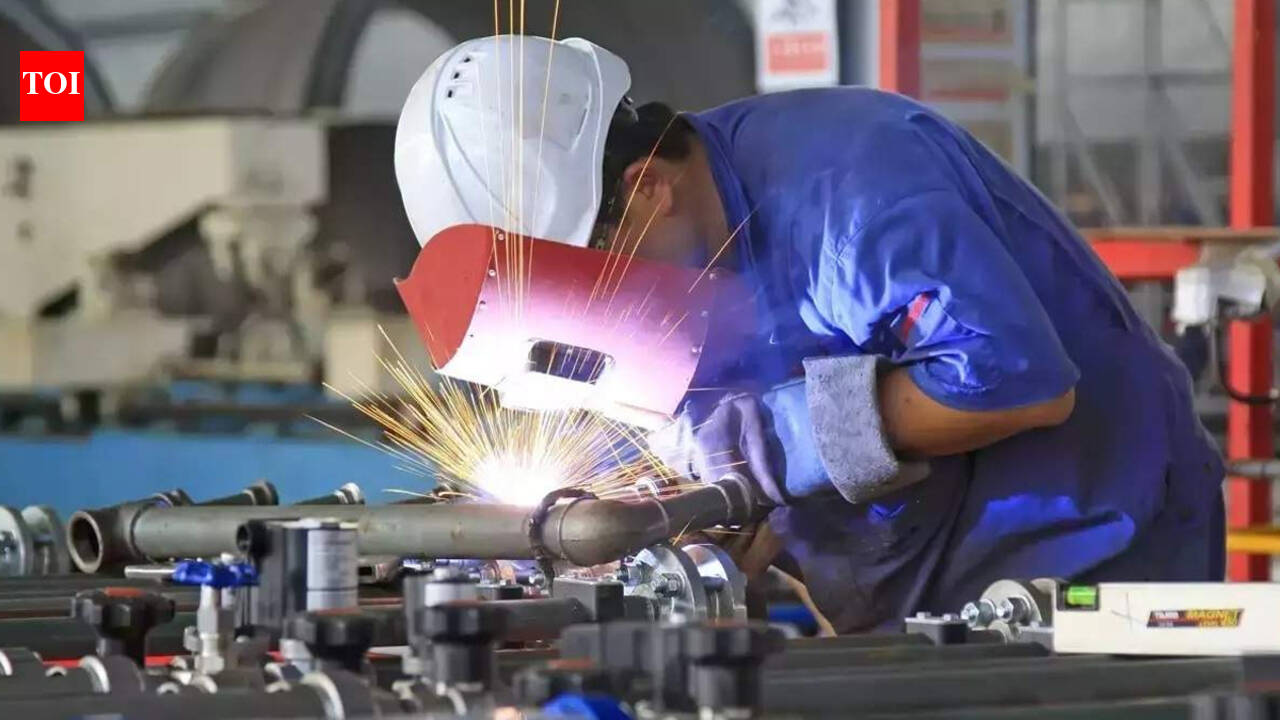
The broader HSBC India Composite PMI Output Index, which combines manufacturing and services activity, dropped to 54.3 in July from 57.1 in June — its weakest reading since March 2022. The slowdown was driven largely by weaker performance in the services sector, although manufacturing output growth improved marginally.
Faster hiring in services more than offset slower employment growth in manufacturing, contributing to stronger job creation across the private sector. The July survey highlights a widening gap between resilient export demand and slowing domestic new business, with Finance & Insurance the only sub-sector to accelerate. For investors and executives, the combination of easing input cost inflation and the fastest rise in selling prices since April points to margin support even as volumes soften. The survey's next release will show whether the slowdown in new orders and the slide in business confidence persist.
Sources: