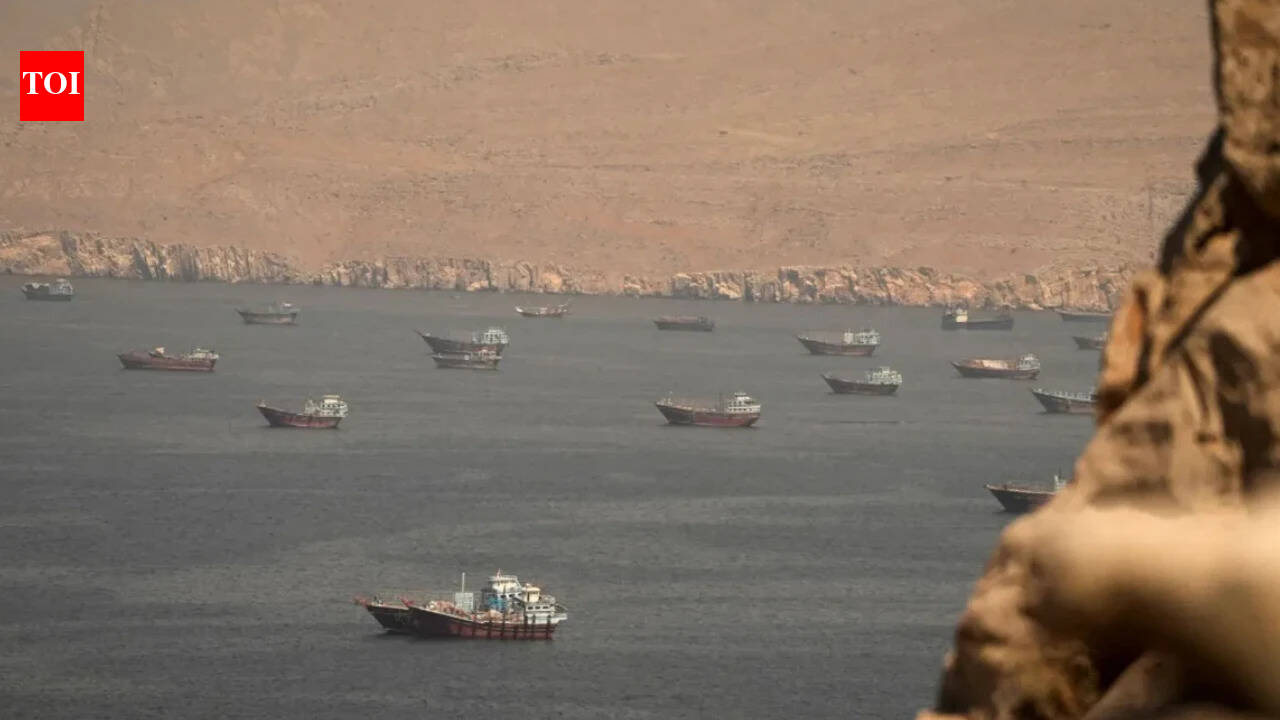
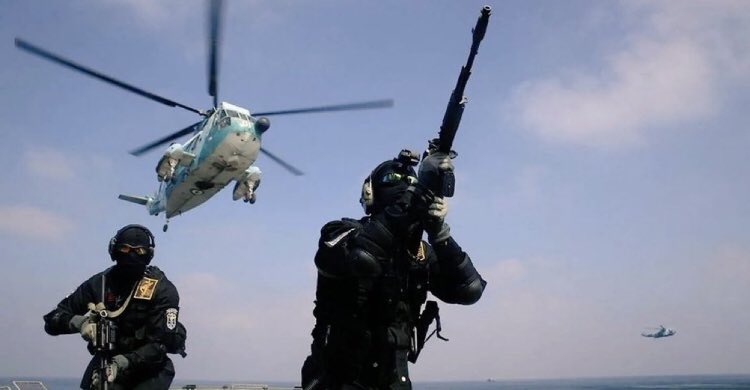
Iran's decision to blacklist 12 very large crude carriers (VLCCs) at the core of the Hormuz shuttle trade is already pushing Indian refiners and a global energy major off the vessels, threatening a workaround that now moves nearly a third of Middle East Gulf crude exports, according to broker Braemar, Reuters and Vortexa data.
The shuttle system emerged as an essential workaround after the collapse of the memorandum of understanding between the US and Iran in early July, according to Splash247. The trade concentrates the most dangerous part of the voyage among a relatively small group of ships repeatedly crossing the Strait of Hormuz, transferring cargoes ship-to-ship (STS) in the Gulf of Oman for onward delivery.
Tehran's blacklist hits the workhorse fleet
According to Splash247, broker Braemar warned that the 12 VLCCs named by Tehran had carried around 900,000 barrels per day, equivalent to 16% of all crude lifted from inside the Middle East Gulf since the memorandum collapsed in early July. More significantly, the ships accounted for around 750,000 barrels per day, or 24%, of crude subsequently transferred ship-to-ship outside Hormuz.
Iran has threatened blacklisted vessels with fines, detention and cargo confiscation, and warned that ships conducting STS operations with them could themselves be added to the list, the report stated. Reuters reported this week that at least three Indian refiners and a global energy major planned to stop using the blacklisted vessels because of security concerns.
| Shuttle trade indicator | Value |
|---|---|
| Blacklisted VLCCs | 12 |
| Daily crude carried by blacklisted VLCCs | ~900,000 bpd (16% of Middle East Gulf liftings) |
| Share of STS transfers outside Hormuz | ~750,000 bpd (24%) |
| Average STS-transferred Middle East Gulf crude since early July | 3.1m bpd (Vortexa) |
| Share of region's 5.6m bpd crude exports | ~30% |
| UAE contribution | ~1.3m bpd |
| Kuwait contribution | ~940,000 bpd |
The scale of the STS workaround
According to Vortexa data cited by Splash247, Middle East Gulf crude exported through STS transfers in the Gulf of Oman has averaged 3.1 million barrels per day since early July, almost 30% of the region's 5.6 million barrels per day of crude exports. The UAE has accounted for around 1.3 million barrels per day and Kuwait 940,000 barrels per day, with additional volumes originating in Saudi Arabia, Iraq and Qatar.
Product tankers are exposed too. An LR2 carrying jet fuel and diesel and an LR1 used for diesel shuttle voyages were among the vessels targeted by Iran.
The scale of the workaround was showcased this week by TankerTrackers.com, which counted at least 20 STS operations underway in the Gulf of Oman on Tuesday alone, involving crude and refined products as well as LPG.
If owners begin avoiding these highly active shuttle tankers, the ships yet unnamed by Iran and still willing to transit Hormuz are likely to command higher premiums. — Braemar
Implications for shippers and operators
- Freight rates on remaining Hormuz-crossing tonnage are likely to rise if owners pull back, per Braemar's warning.
- Refiner demand from India is already shifting, with at least three Indian refiners and a global energy major planning to stop using blacklisted vessels, Reuters reported.
- STS operations outside Hormuz are a critical chokepoint: the trade still moved 3.1m bpd via transfers in the Gulf of Oman since early July, and any disruption to the shuttle fleet threatens supply chains for Middle East crude buyers.
- Product tanker coverage — including LR2 and LR1 units hauling jet fuel and diesel — is directly at risk, as those vessel types were among those named by Tehran.
- Compliance checks on counterparties become essential: Iran's threat to add STS partners to the list means charterers, operators and traders must screen vessels and demonstrate due diligence.
Watch list
- Further blacklisting: Iran has explicitly warned that ships conducting STS operations with blacklisted vessels could be added to the list, which could widen the disruption to a broader pool of tankers.
- Owner behaviour: Whether VLCC owners continue to commit tonnage to Hormuz shuttle runs, or divert to other trades, will determine how steeply rates rise on remaining ships.
- Refiner action: The announced pullback by Indian refiners and a global energy major could trigger further chartering shifts.
- STS activity levels: TankerTrackers.com's daily count of Gulf of Oman STS operations will show whether the blacklist translates into reduced transfer volumes.
Sources: