When the Goods and Services Tax (GST) was rolled out on July 1, 2017, it marked India's biggest overhaul of indirect taxation since Independence, according to a report from Business Today. Replacing a patchwork of central and state levies—including excise duty, service tax, VAT, entry tax, and Central Sales Tax—with a destination-based system, the reform aimed to create a common domestic market, reduce tax cascading, and simplify compliance for businesses operating across state borders.
Nine years later, GST has evolved beyond its original objective. It has widened the tax base, accelerated the formalisation of businesses, digitised tax administration, and reshaped logistics and supply chains, Business Today reported. The system is supported by the Goods and Services Tax Network (GSTN), a centre-state owned digital platform that powers registrations, return filing, tax payments, and refunds, improving transparency and ease of doing business.
Taxpayer Base and Revenue Growth
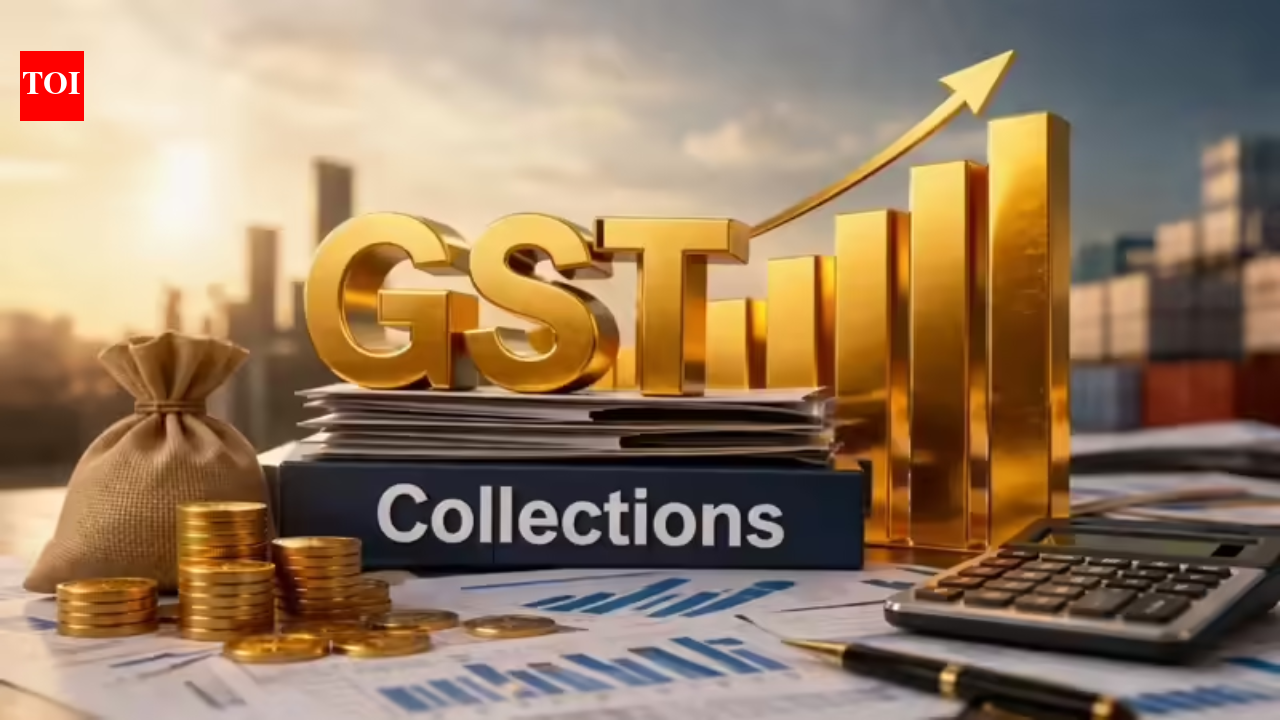
GST's taxpayer base has expanded significantly since its rollout, rising from 66.5 lakh in 2017 to 1.65 crore as of May 2026, reflecting greater formalisation of the economy, according to government data cited by Business Today. Gross GST collections have grown steadily:
| Year | Gross Collections (Rs lakh crore) |
|---|---|
| 2017-18 | 7.4 |
| 2021-22 | 13.76 |
| 2025-26 | 22.27 |
In the first two months of 2026-27 (April-May 2026), collections reached Rs 4.37 lakh crore, indicating continued momentum.
Rate Rationalisation and Slab Structure
When GST was introduced, it featured four tax slabs: 5%, 12%, 18%, and 28%. Last year, the rate structure was rationalised to two main slabs: 5% and 18%, Business Today reported. Notably, alcoholic liquor for human consumption and petrol and diesel remain outside GST's ambit.
Digital Transformation and Compliance
The shift to a digital platform through GSTN has reduced physical interaction with tax authorities, enhanced transparency, and simplified interstate trade via the Integrated GST (IGST) mechanism. By treating exports as zero-rated and introducing uniform rules across states, GST aimed to improve ease of doing business, reduce logistics costs, curb tax evasion, and strengthen revenue collection, according to the report.
Expert Perspective
"GST streamlined India's indirect tax system through single-point taxation and by removing cascading taxes. It unified the national market, which improved transparency and ease of doing business. It also reduced compliance and transaction costs across supply chains, leading to more competitive pricing and consistent tax treatment for consumers across states." — Bipin Sapra, Partner and Indirect Tax Policy Leader, EY India, responding to queries from Business Today.
Sapra noted that GST has also reduced the effective tax incidence on several mass-consumption goods compared with the pre-GST regime.
Implications for Corporate Strategy
For C-suite executives and investors, the GST's formalisation push and digital compliance framework mean reduced tax leakage, simpler cross-border operations, and a more predictable cost structure. The widening taxpayer base and rising collections signal improved tax buoyancy, which could support fiscal consolidation and infrastructure spending. The rationalised rate structure simplifies pricing decisions, though sectors like alcohol and petroleum remain outside the unified regime. As the GST Council continues to evolve rates and policies, businesses must stay attuned to compliance changes and input tax credit optimisation opportunities. The transformation of logistics and supply chains under a single market remains a key driver for efficiency gains across industries.
Next Milestone
The GST Council, a constitutional body comprising the centre and states, continues to play a pivotal role in deciding tax rates, exemptions, and policy changes, reinforcing cooperative federalism and shaping the trajectory of India's indirect tax framework.
Sources: