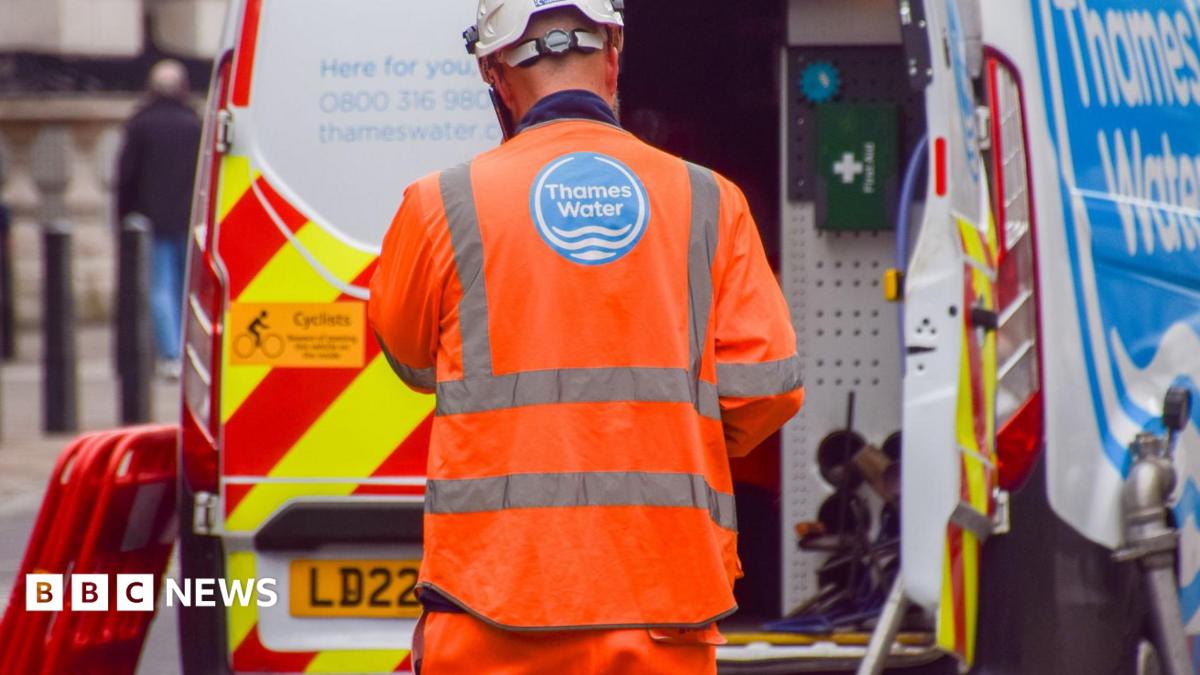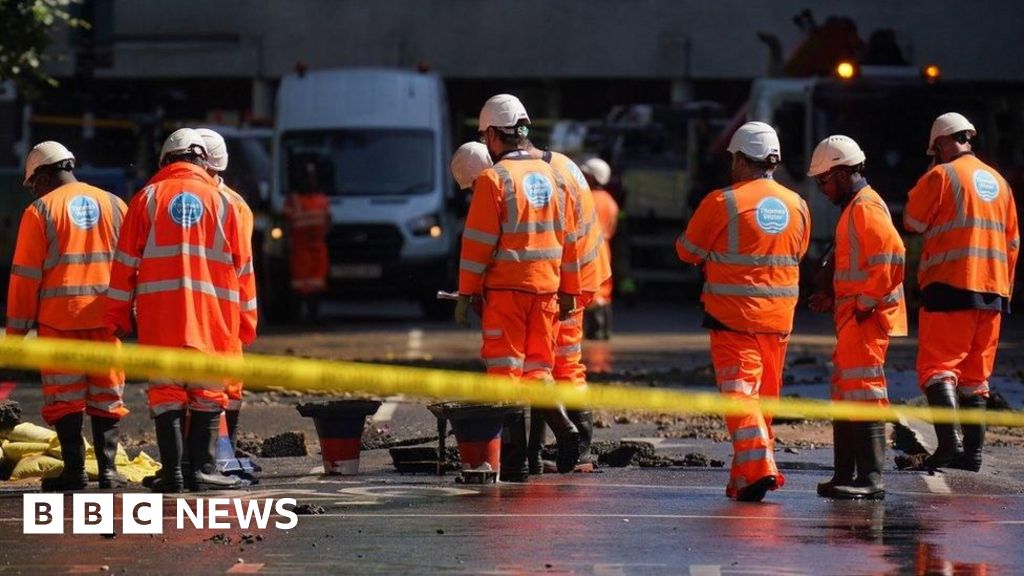
Thames Water, the UK's largest water utility serving approximately 16 million people across London and southern England, is moving closer to government control after ministers rejected a rescue plan proposed by its main lenders, according to the BBC. The company has been attempting to stave off financial collapse for the past three years while struggling under debts exceeding £20bn, alongside persistent issues with leaks, sewage spills, and outdated infrastructure.
Government Objections to Rescue Plan
London & Valley Water, the group representing Thames Water's primary lenders, had proposed a rescue deal involving billions in fresh investment and writing down roughly half of the company's £20bn debt pile. In exchange, lenders sought leniency on future pollution fines. However, on Tuesday, the government (represented by Reynolds) expressed concern that the offer "does not do enough to protect consumers or the environment," according to the BBC.
| Stakeholder | Position | Key Condition |
|---|---|---|
| Government (Reynolds) | Objected to rescue deal | Must protect consumers and environment; ready for all eventualities |
| London & Valley Water (Lenders) | Proposed rescue plan | Write down ~50% of debt; leniency on pollution fines |
| Thames Water | Favours market-led solution | Commercial deal best for long-term stability |
| Proponents of public ownership | Support temporary nationalisation (SAR) | Allow fresh start, debt write-off, new long-term owner |
The government's objection raises the likelihood of Thames Water entering a special administration regime (SAR), a form of temporary nationalisation where government-appointed managers would keep the utility running. Thames Water has pushed back against this prospect, instead favouring a "market-led solution." Lenders have previously argued that a SAR would not solve its problems and would merely "restart the process of fixing Thames Water."
Impact on Customers and Services
Regardless of whether Thames Water collapses or is placed under special administration, households will continue to receive drinking water and sewerage services — taps will still run and toilets will still flush, the BBC reported. London & Valley Water has stated that its proposed rescue deal would hold bills at current levels rather than pushing them higher, and a spokesperson claimed the proposal was "the fastest route to improve outcomes for customers and the environment." Reynolds, however, said she did not want a scenario where Thames Water customers had to "pick up the bill for the company's failures." Thames Water itself maintains that a commercial deal remains the "best way to secure the long-term stability needed to continue improving performance and advancing our turnaround plan."
How Thames Water's Debt Pile Grew
When Thames Water was privatised in 1989, it carried no debt. However, heavy borrowing over subsequent decades caused its total debt to spiral beyond £20bn. A sharp increase occurred during ownership by Macquarie, an Australian infrastructure bank, which sold the company in 2017 after debts had reached more than £10bn. Macquarie stated that it had invested billions of pounds into upgrading water and sewage infrastructure while it owned the utility.
| Period | Debt Level | Key Event |
|---|---|---|
| 1989 | £0 | Privatised with no debt |
| By 2017 (Macquarie exit) | >£10bn | Debt doubled under Macquarie ownership |
| Current | >£20bn | Debt continues to rise |
Who Controls Thames Water Now
Until 2024, Thames Water was controlled by a group of pension funds and investment firms. However, many of those investors wrote down their stakes to zero during that year, indicating they believed their shares were worthless. This has left Thames effectively in the control of its lenders — a group of finance firms to which it collectively owes billions of pounds.
Next Steps and Timeline
Without a rescue deal, Thames Water is set to run out of cash within a matter of months, according to the BBC. The government has previously favoured a commercial solution, but Reynolds said it "stands ready for all eventualities." The outcome will be closely watched by investors and regulators, as a special administration regime would mark one of the largest utility failures in UK history, directly affecting millions of customers and the wider water sector's financial stability.
Sources: