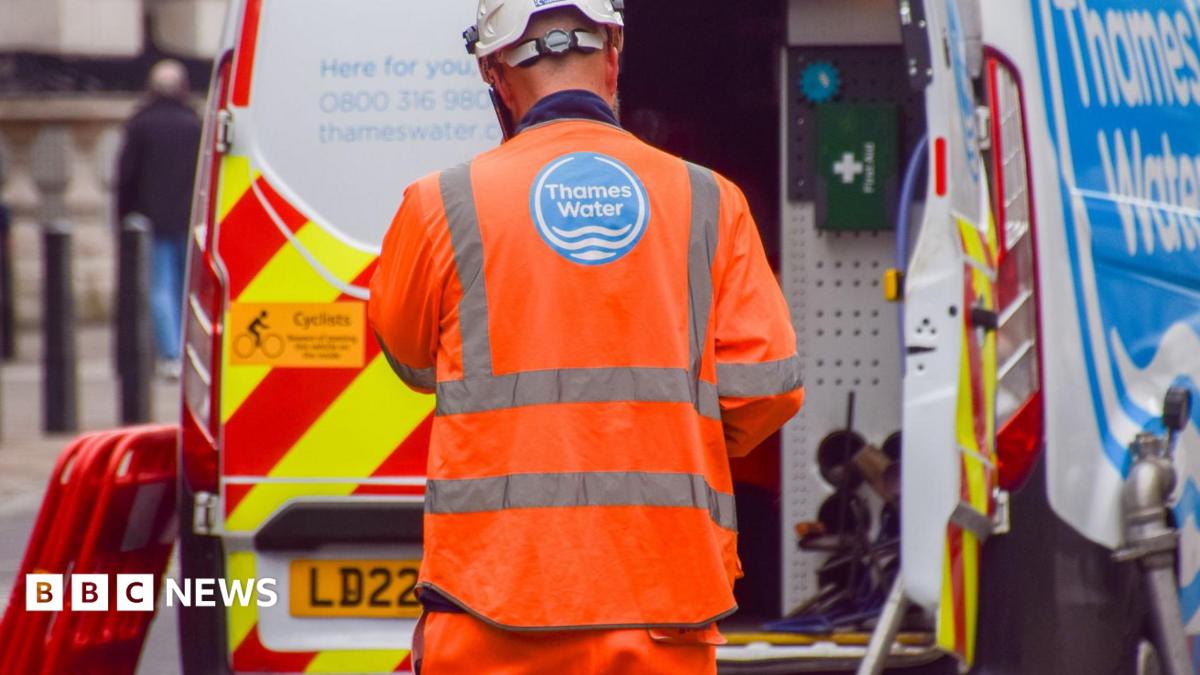
The UK government has objected to a proposed rescue deal for Thames Water, taking the country's largest water company a step closer to a form of temporary nationalisation known as a special administration regime (SAR).
Environment Secretary Emma Reynolds wrote to industry regulator Ofwat on Monday to raise concerns over the rescue package put forward by the company's lenders, according to a report by the BBC. The government has been on standby to take control of Thames Water for three years, since fears of its collapse first emerged.
Government’s Objection
A government spokesman told the BBC that the current offer "does not do enough to protect consumers or the environment". Thames Water, which serves about 16 million customers — mostly across London and parts of southern England — has faced heavy criticism over its performance, sewage discharges, and pipe leaks.
The Lenders’ Proposal
A group of Thames Water's existing lenders has offered to write off 30% of its near £20bn debt pile and inject billions in new money, but in return they have sought leniency from future pollution fines. The lenders' terms also include a payment of £750m (including advisory fees to bankers and lawyers) if the deal is approved.
Ofwat has been reviewing the proposal and a decision is expected this summer. Without a rescue deal, Thames Water is set to run out of cash within a matter of months and could collapse. The government has previously stated it would prefer "a market-based solution", but would step in "if that were to become necessary".
Special Administration Regime (SAR)
The form of temporary nationalisation on the table is the special administration regime (SAR). This process ensures that vital companies such as water utilities are kept running by government-appointed managers. If the company does go bust, households will still have drinking water and sewerage services.
A spokesperson for Thames Water has previously told the BBC that a SAR would create problems rather than solve them. "SAR would delay urgently needed improvements, increase costs, transfer risk and potentially create operational disruption," the spokesperson said.
Alternative Bids
Earlier this year, CKI Holdings — a company that wanted to buy Thames Water — argued that customers would be better served if the utility was allowed to collapse, so that it and others could submit new bids to revive the debt-ridden company. CKI's co-managing director Andy Hunter said the firm, which already owns 75% of Northumbrian Water, has a proven track record in owning critical utilities.
"I think the next owner of Thames Water should be an experienced, credible, long-term focused operator with the expertise and the resources to fix Thames Water," Hunter said. "But we seem to be sleepwalking into a conclusion that will result in the next owner of Thames Water — having, doubtless, many attributes — having none of these attributes."
Key Figures at a Glance
| Metric | Value |
|---|---|
| Customers served | 16 million |
| Total debt | ~£20 billion |
| Debt write-off offered by lenders | 30% |
| Advisory fees under lenders' plan | £750 million |
| Ofwat decision expected | Summer 2026 |
| Cash runway without deal | Within months |
Thames Water and Ofwat have been contacted for comment regarding the latest developments. The next milestone will be Ofwat's decision on the lenders' proposal, expected this summer, which will determine whether a market-based solution can still be found or whether the government must trigger the special administration regime.
Sources: