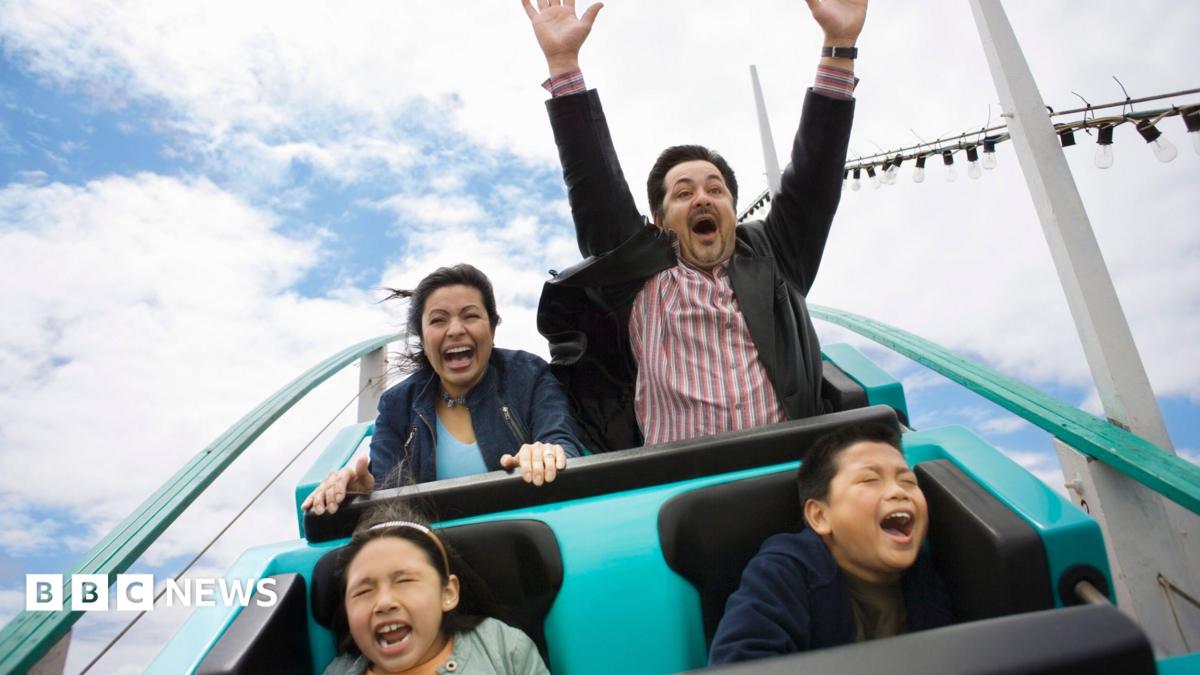
A temporary VAT cut on theme parks, zoos, museums, and children's meals has come into force on Thursday 25 June, in a government move designed to ease cost-of-living pressures during the school summer holidays. The reduction from 20% to 5% runs until 1 September 2026 and covers a broad range of family-oriented activities and dining, according to the BBC.
Chancellor Rachel Reeves said the summer holidays can be "quite expensive," and the purpose of the temporary VAT cut was to "help people make those precious memories during the summer holidays, but not having to fork out too much for it." The government estimates the scheme will cost around £300m, the BBC reported.
Scope of the VAT cut
The reduced VAT rate applies to:
- Ticket prices for theme parks, zoos, museums, adventure parks, nature reserves, and wildlife parks
- Children's meals served in restaurants
- Kids' and family tickets for cinemas, theatres, concerts, shows, and exhibitions
Additionally, free bus travel for children aged between five and 15 in England will be available throughout August, the BBC noted.
Businesses can choose whether or not to pass on the discount to customers, meaning the actual savings for families may vary.
Skepticism from families and experts
Despite the government's intentions, families, charities, and think tanks expressed doubt that the measure will meaningfully relieve squeezed budgets. Alan, 42, from Brighton, who regularly visits theme parks with his family, told the BBC he does not expect much from the VAT cut. "These kind of attractions are quite expensive in the first place," he said, adding that the savings, if passed on, would be "negligible" and only benefit those who go to theme parks as a one-off. He noted that the best option for his family is a theme park pass, which they use for Legoland, Chessington World of Adventure, and Sea Life centres.
Helen Miller, director of the Institute for Fiscal Studies think tank, previously said the measures would lead to some savings, but estimated they would equate to an "average saving of around £10 per UK household," according to the BBC.
Alan questioned the effectiveness: "How the government can say this is going to result in any household saving is a mystery." He suggested that addressing energy and fuel costs would be more useful.
Rob Parkinson, chief executive of the Family Holiday Charity, called for a more lasting approach: the government, industry, and voluntary sector needed to "work together to identify and implement an enduring solution" for families, the BBC reported.
Estimated savings breakdown
| Activity | Original Price | Discounted Price | Saving |
|---|---|---|---|
| Bus travel (child) | £15.50 | £10.80 | £4.70 |
| Theme park (family of 4) | £187 | £164 | £23 |
| Family meal (pub) | £47.90 | £46.54 | £1.36 |
| Total | £250.40 | £221.34 | £29.06 |
| Source: Salisbury Reds, Paultons Park, Greene King (as reported by BBC) |
The table above shows a sample day out for a family of four, including bus travel, theme park entry, and a pub meal. The total estimated saving under the VAT cut is £29.06.
Government's broader cost-of-living measures
Chancellor Reeves pointed to other measures the government has introduced, including freezing prescription charges, freezing rail fares, and providing energy bill relief as also helping households with cost-of-living pressures. She also noted the free bus travel initiative for children in England in August.
When asked whether the savings from the VAT cut would be meaningful, Reeves told the BBC the government was focused on helping families: "Especially over the summer, things can be a bit more expensive. So we are targeting this directly at families."
Implications for businesses and investors
For operators of theme parks, zoos, museums, and restaurants serving children's meals, the temporary VAT cut represents a potential tool to attract price-sensitive consumers during the summer season. However, the optional nature of passing on the discount means margins could improve if businesses retain the savings. The £300m cost to the government represents a fiscal stimulus targeted at the leisure and hospitality sectors, but the estimated £10 average household saving suggests the macroeconomic impact on consumer spending may be limited.
The policy runs until 1 September 2026, after which VAT will revert to 20% unless extended.
Next milestone: The government is expected to evaluate the scheme's impact ahead of the autumn budget, though no specific review date has been announced.
Sources: