The US economy grew at an annual rate of 1.5% in the second quarter of 2026, the Commerce Department reported, slowing from 2.1% in the first three months of the year and falling short of analyst estimates. The deceleration comes as the world's largest economy navigates the financial fallout from the war with Iran and higher tariffs affecting US businesses.
Key Drivers of the Slowdown
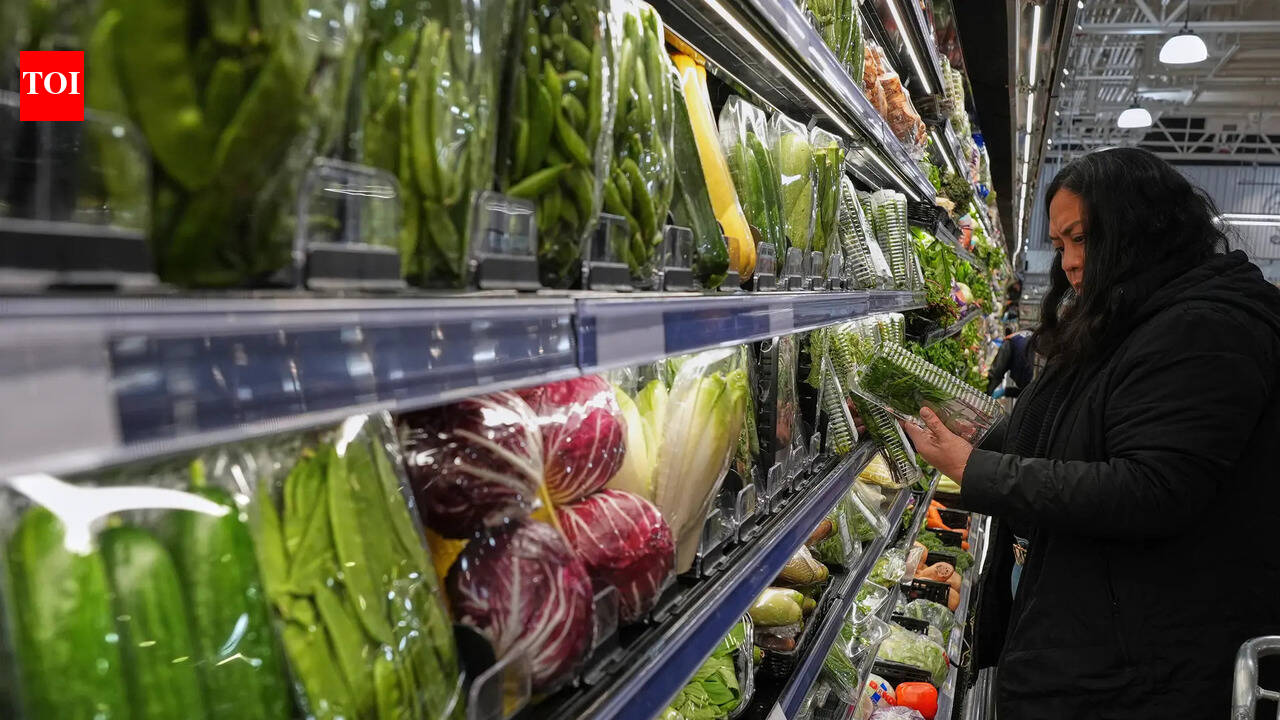
According to the Commerce Department, the downturn was due to lower government spending, investment, and exports. However, the economy received a boost from an increase in consumer spending, which remained resilient despite elevated prices.
Federal Reserve Policy Response
The latest growth figures come after the Federal Reserve decided to hold interest rates for a fifth time in a row. New Chairman Kevin Warsh warned that there was no "magic wand" to tackle rising prices. The Fed stated that economic activity was expanding at a "solid pace despite uncertainty caused by the conflict in the Middle East." Prices in the US have been rising at a rate above the Fed's 2% target for more than five years.
Energy Price Pressures
The main economic concern from the conflict has been rising oil prices. Brent crude, the global benchmark, was about $90 a barrel on Thursday. Higher oil prices typically lead to increased prices at the pump, with average gasoline prices now back above $4 a gallon.
Business Implications
For C-suite executives and investors, the slower GDP growth signals a tightening macroeconomic environment. Lower government spending and investment may reduce opportunities in public-sector contracts and capital-intensive sectors. Export-oriented companies face headwinds from weaker trade volumes and tariff uncertainty. The resilience of consumer spending provides some support for retail and consumer goods, but persistent inflation above target and the Fed's hold on rates suggest borrowing costs will remain elevated. The conflict in the Middle East continues to lift energy costs, pressuring margins across industries. Companies should plan for sustained input cost increases and monitor the Fed's next moves.
| Indicator | Q1 2026 | Q2 2026 | Change |
|---|---|---|---|
| GDP Growth (annual rate) | 2.1% | 1.5% | -0.6 ppts |
| Consumer Spending | Resilient | Resilient | No change |
| Government Spending | N/A | Lower | ↓ |
| Investment | N/A | Lower | ↓ |
| Exports | N/A | Lower | ↓ |
| Fed Interest Rate Decision | Held | Held | Same |
| Brent Crude (approx) | N/A | $90/barrel | ↑ |
| Gasoline Price | N/A | Above $4/gallon | ↑ |
Next Milestone
The Federal Reserve's next interest rate decision is scheduled for September, which will be closely watched by markets. The Commerce Department will release its first estimate of third-quarter GDP in late October.