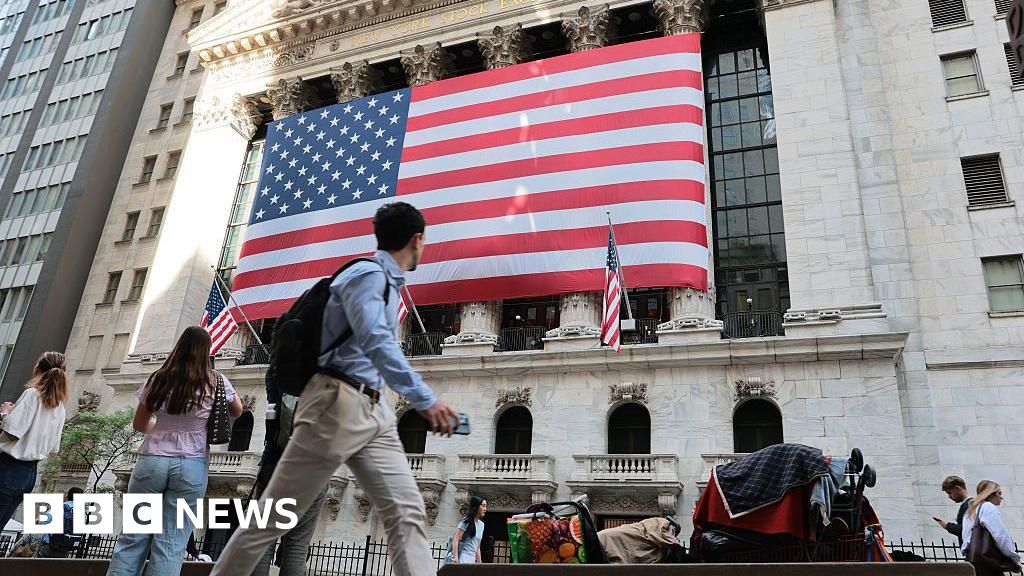
The US economy expanded at an annual rate of 1.5% in the second quarter of 2026, its slowest pace this year, as a sharp rise in imports offset robust consumer spending and steady business investment, according to data released by the Commerce Department on Thursday. The reading came in below economists' expectations and marked a deceleration from 2.1% growth in the first quarter.
Consumer spending rescues the quarter
Household spending, which accounts for roughly 70% of US economic activity, accelerated sharply to a 3.2% annual pace in Q2, up from just 0.5% in the January–March period, the Commerce Department reported. "The consumer rescued the quarter," said Olu Sonola, head of US economics at Fitch Ratings. A broader measure excluding government spending and trade showed the economy expanding at a 3.9% annual rate, improving from 1.7% in the prior quarter.
Imports surge as biggest drag
The largest headwind came from imports, which climbed at an 11.5% annual rate—driven by increased shipments of computer chips and other products supporting AI investment. Because GDP measures only domestic output, imports subtract from the calculation, reducing Q2 growth by 1.5 percentage points. Sonola noted: "AI investment remains a powerful growth story, but the import surge underpinning the buildout is a reminder that an AI boom does not automatically translate into an equally large boost to US GDP."
Business investment and labour market
Non-housing business investment rose at an 8.4% annual pace, down from 10.6% in Q1 but still strong, reflecting a surge in artificial intelligence-related spending, according to the data. The labour market has also strengthened: employers added an average of 92,000 jobs per month this year, compared with fewer than 10,000 jobs per month in 2025, when high interest rates and President Donald Trump's erratic use of tariffs discouraged hiring.
| Metric | Q1 2026 | Q2 2026 | Change |
|---|---|---|---|
| GDP growth (annual rate) | 2.1% | 1.5% | -0.6 pp |
| Consumer spending growth | 0.5% | 3.2% | +2.7 pp |
| Non-residential investment growth | 10.6% | 8.4% | -2.2 pp |
| Import growth | — | 11.5% | — |
| Core PCE inflation (year-on-year) | 3.4% (May) | 3.3% (June) | -0.1 pp |
Inflation eases but stays above target
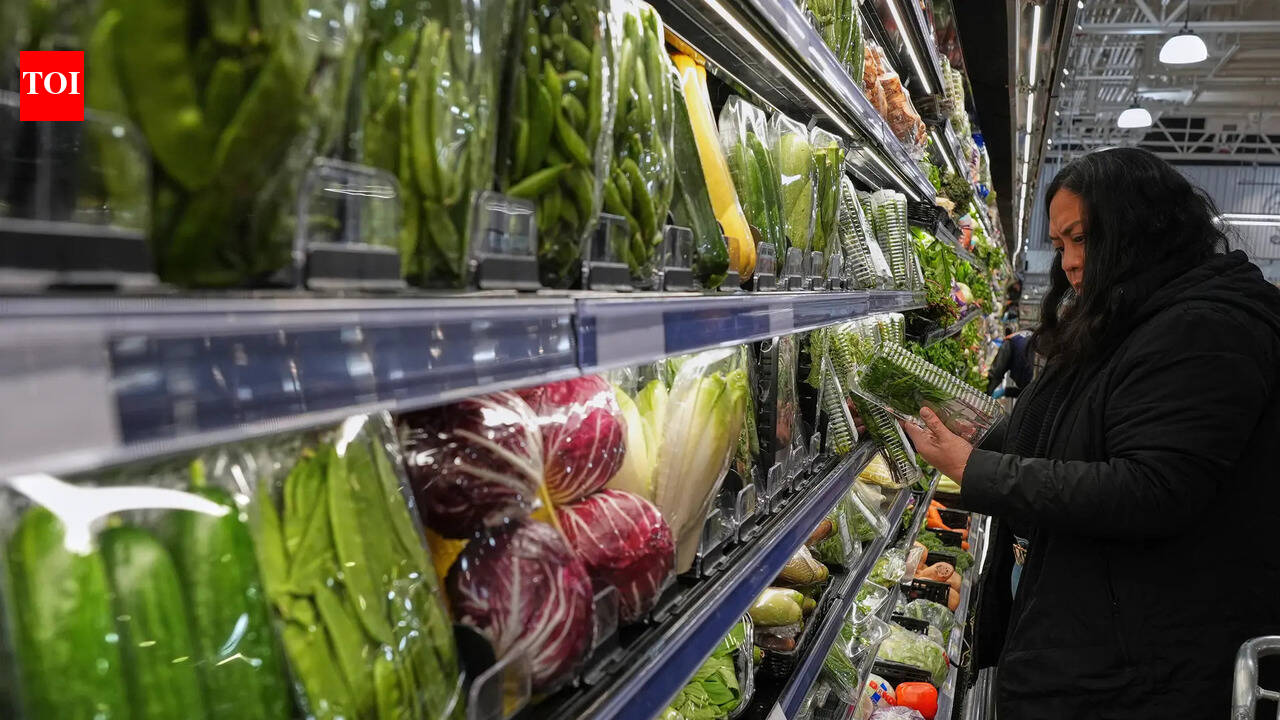
The personal consumption expenditures (PCE) price index, the Federal Reserve's preferred inflation gauge, rose 3.7% year-on-year in June, cooling from 4.1% in May. Core PCE (excluding food and energy) stood at 3.3%, down from 3.4% in May. On a monthly basis, prices fell 0.1% between May and June, helped by a 9.2% decline in gasoline and other energy prices. Nevertheless, inflation has remained above the Fed's 2% target for more than five years, frustrating policymakers and consumers ahead of the November midterm elections, now less than 100 days away. The Federal Reserve on Wednesday left its benchmark interest rate unchanged for the fifth consecutive meeting, though three regional Fed presidents dissented in favour of raising rates.
Geopolitical and political context
The economy has shown resilience despite the Iran war and the spike in energy prices it triggered, according to the report. Political attention remains focused on the economy before the midterm elections, which will decide whether President Donald Trump's Republicans retain full control of Congress. A new AP-NORC poll found that 72% of US adults consider it "extremely" or "very" important to prevent domestic oil and gas prices from rising, up from 67% in March. The same poll showed public opinion becoming less favourable towards the Iran war.
Sources: